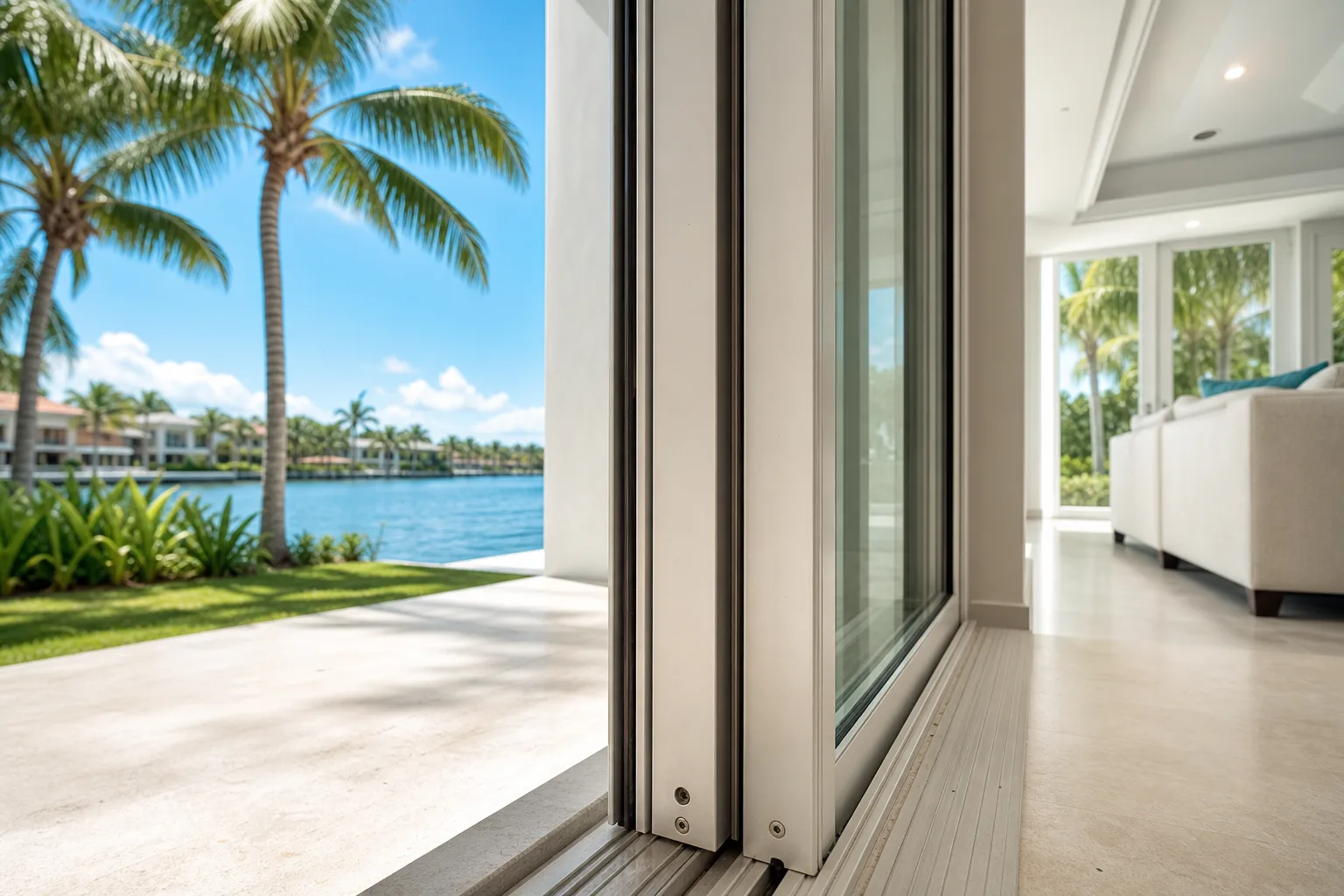
TL;DR
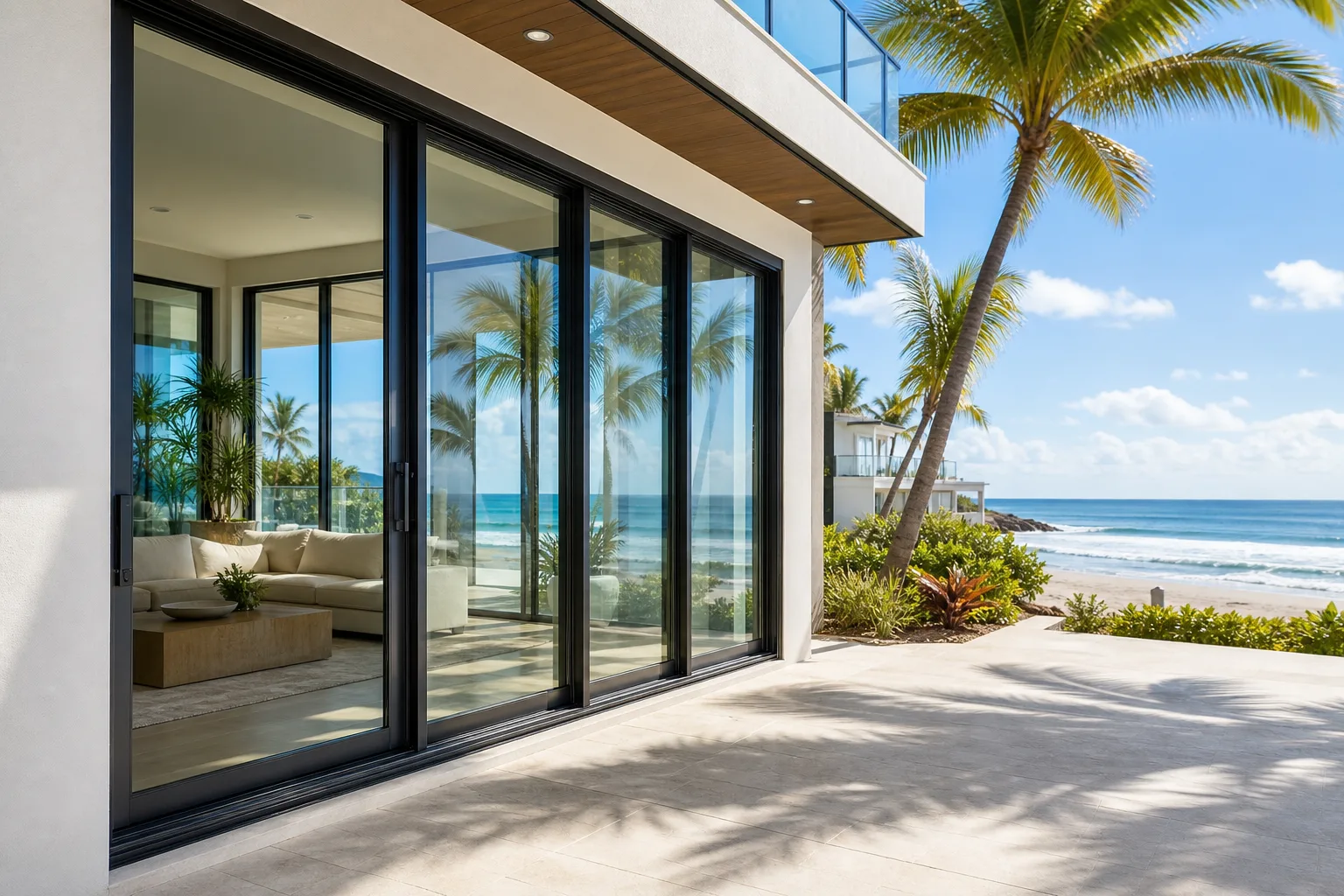
Aluminum frames expand and contract more than vinyl or wood with every swing in temperature, and South Florida gives them that swing almost daily. Over years, this repeated movement stresses corners, fasteners, and sealant joints until small gaps open up around the frame. You can check for this yourself with a simple visual and tactile inspection, but closing structural gaps usually needs a contractor.
What you need
- A flashlight and a few minutes at different times of day (morning and mid-afternoon, if possible)
- A thin sheet of paper or a dollar bill to test seal tightness
- A notepad or phone camera to log gap locations
- Basic knowledge of your window's age and frame material (check 5 Signs It's Time to Replace Windows in Florida if you're unsure)
- Patience, since thermal gaps are a gradual problem, not an emergency one in most cases
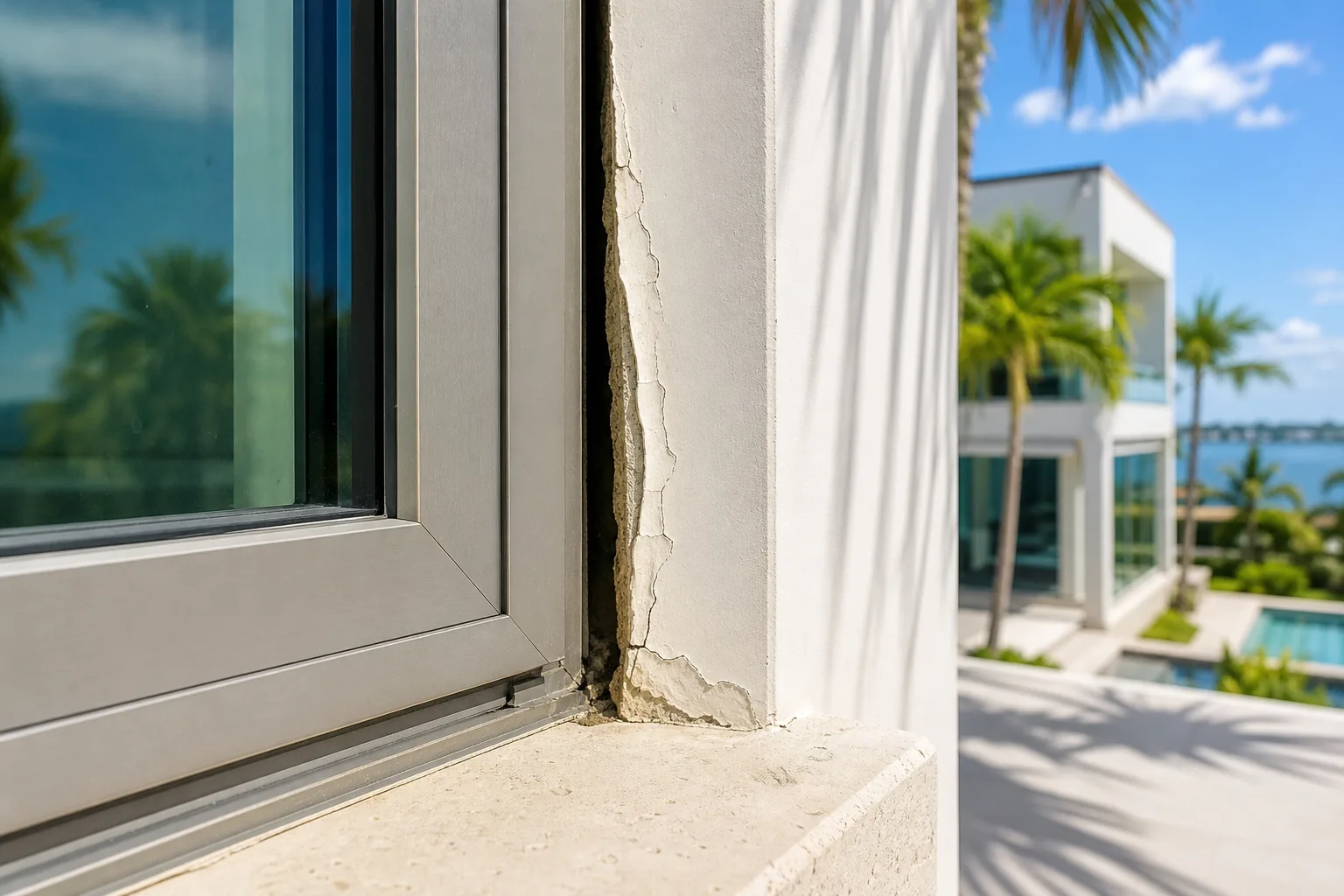
Step 1: Understand why aluminum moves more than other frame materials
All building materials expand when heated and contract when cooled, but they don't all move the same amount. Aluminum has a notably higher coefficient of thermal expansion than vinyl, wood, or fiberglass. In a South Florida window that sits in direct sun for hours and then cools overnight, or during a sudden afternoon thunderstorm, the frame is constantly flexing at a microscopic level.
That movement isn't dangerous on its own. Aluminum frames are engineered to handle it. The issue is cumulative wear: over many years and thousands of heat cycles, the fasteners, corner joints, and sealant beads that hold the frame square can loosen slightly each time. For general background on how NOAA tracks the conditions driving Florida's heat and storm cycles, see the National Hurricane Center and National Weather Service Miami sites, which publish current advisories and seasonal outlooks.
Step 2: Compare aluminum to other frame materials side by side
This isn't a reason to avoid aluminum. Aluminum is strong, resists rot, and is common in impact-rated products. But understanding the tradeoff helps set expectations for maintenance.
| Frame Material | Thermal Movement | Typical Longevity Concern | Maintenance Need |
|---|---|---|---|
| Aluminum | Higher expansion/contraction | Gap formation at joints and seals over years | Periodic fastener and sealant checks |
| Vinyl | Lower expansion/contraction | Can soften or warp in extreme sustained heat | Lower, but varies by product quality |
| Wood | Moderate, but moisture-sensitive | Swelling, rot in humid climates | Higher, especially near coast |
| Fiberglass | Closest match to glass expansion rate | Less common in older FL housing stock | Low |
If your home has older single-hung aluminum windows from past decades, this is worth a look at Aluminum vs. Vinyl Window Frames in South Florida Coastal Conditions for a deeper comparison.
Compare impact-window options for your project. Request a free estimate
Step 3: Check your own windows for early gap signs
You don't need special tools for a first pass.
- Run your finger along the interior frame edge where it meets the wall or sash. Feel for any looseness or a visible seam that wasn't there before.
- Close the window on a thin piece of paper at several points along the frame. If you can pull the paper out with little resistance, the seal has loosened in that spot.
- Look at the exterior caulk or sealant line in daylight. Cracking, pulling away, or a visible dark line behind it can indicate gap formation, though it may also simply be worn caulk (see [What a Glazing Bead Does and Why It Fails in Humid Climates] background article for a related but separate failure point).
- Note whether gaps appear worse on south- or west-facing windows, which get more direct afternoon sun and larger daily temperature swings.
- Check for daylight visible around the frame edges from inside with the lights off.
Step 4: Decide if the gap is cosmetic, functional, or structural
Not every gap means the window has failed. Use this rough framework:
- Cosmetic: Hairline separation in paint or caulk with no air or water movement felt. Usually low priority, worth monitoring.
- Functional: Noticeable air leak, higher energy bills, or water intrusion during heavy rain. Worth a professional inspection soon.
- Structural: Visible frame warping, loose fasteners you can wiggle, or a sash that no longer closes evenly. This affects both energy performance and, more importantly, the window's ability to perform as designed during storm-force wind and pressure. This tier should not wait.
If your windows are original to an older home and were never impact-rated, thermal gap issues are often one more sign it's time to evaluate full replacement rather than repeated resealing. The window replacement page outlines what that process looks like.
Step 5: Know what a contractor actually checks that you can't
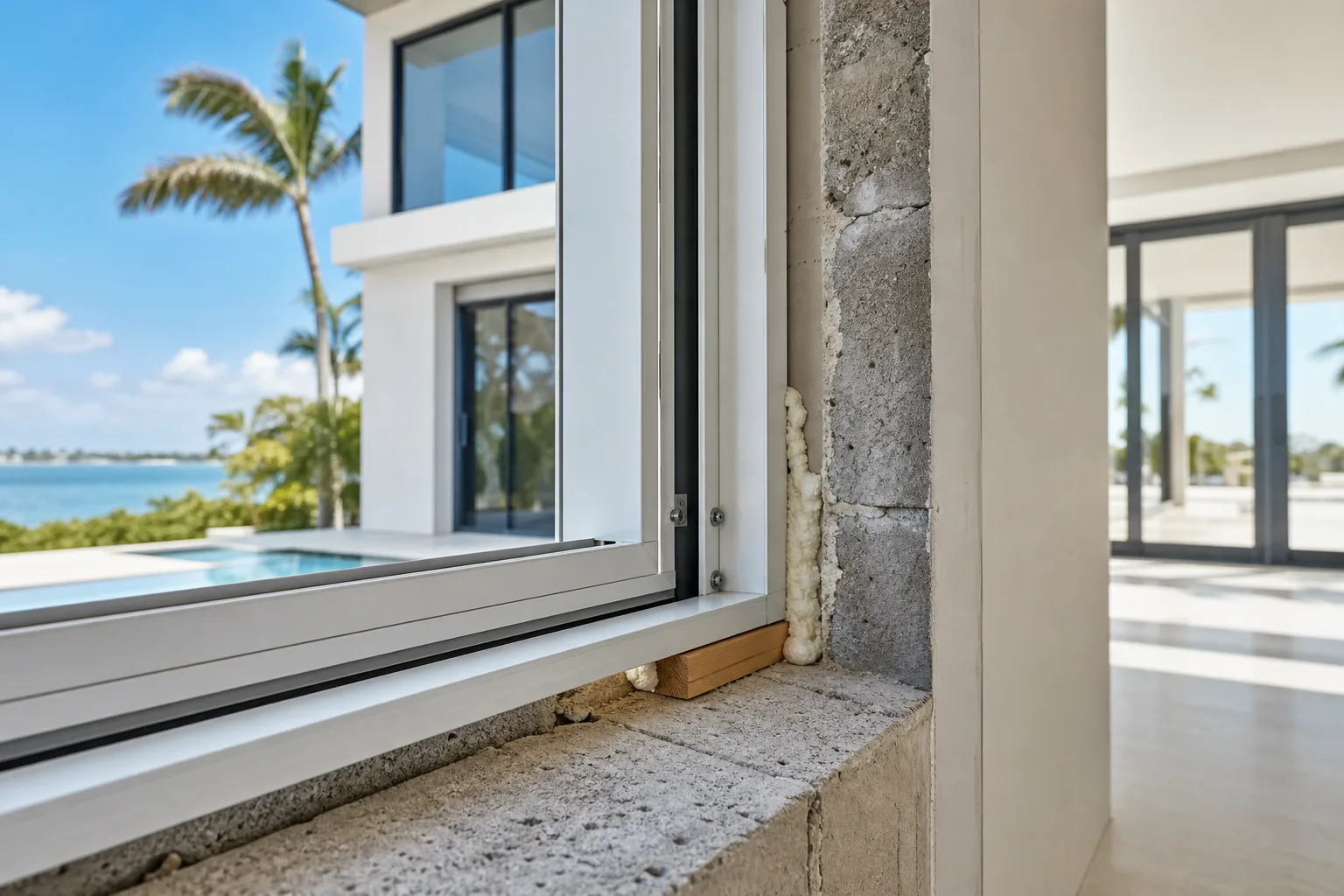
A licensed contractor's inspection goes beyond what's visible. This typically includes checking whether the frame is still anchored to spec, whether fasteners have backed out behind trim or stucco, whether weep holes are still clear, and whether the gap has allowed water behind the frame into the wall assembly. For homes near airports or flight paths where additional sealing considerations come up, see Airport Noise, Hurricane Protection, and Impact Windows Near PBI and FLL Flight Paths for a related discussion of frame-and-seal performance.
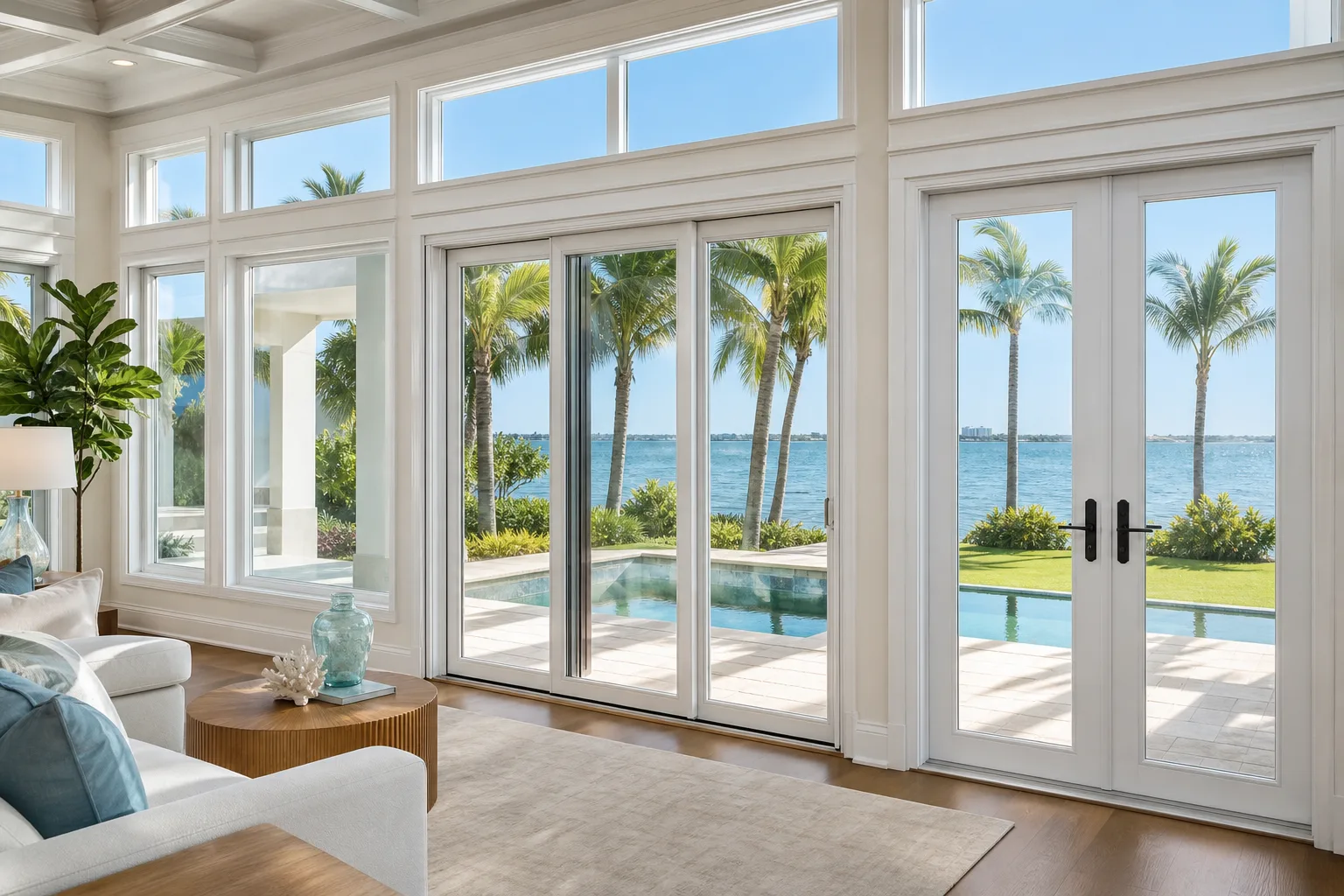
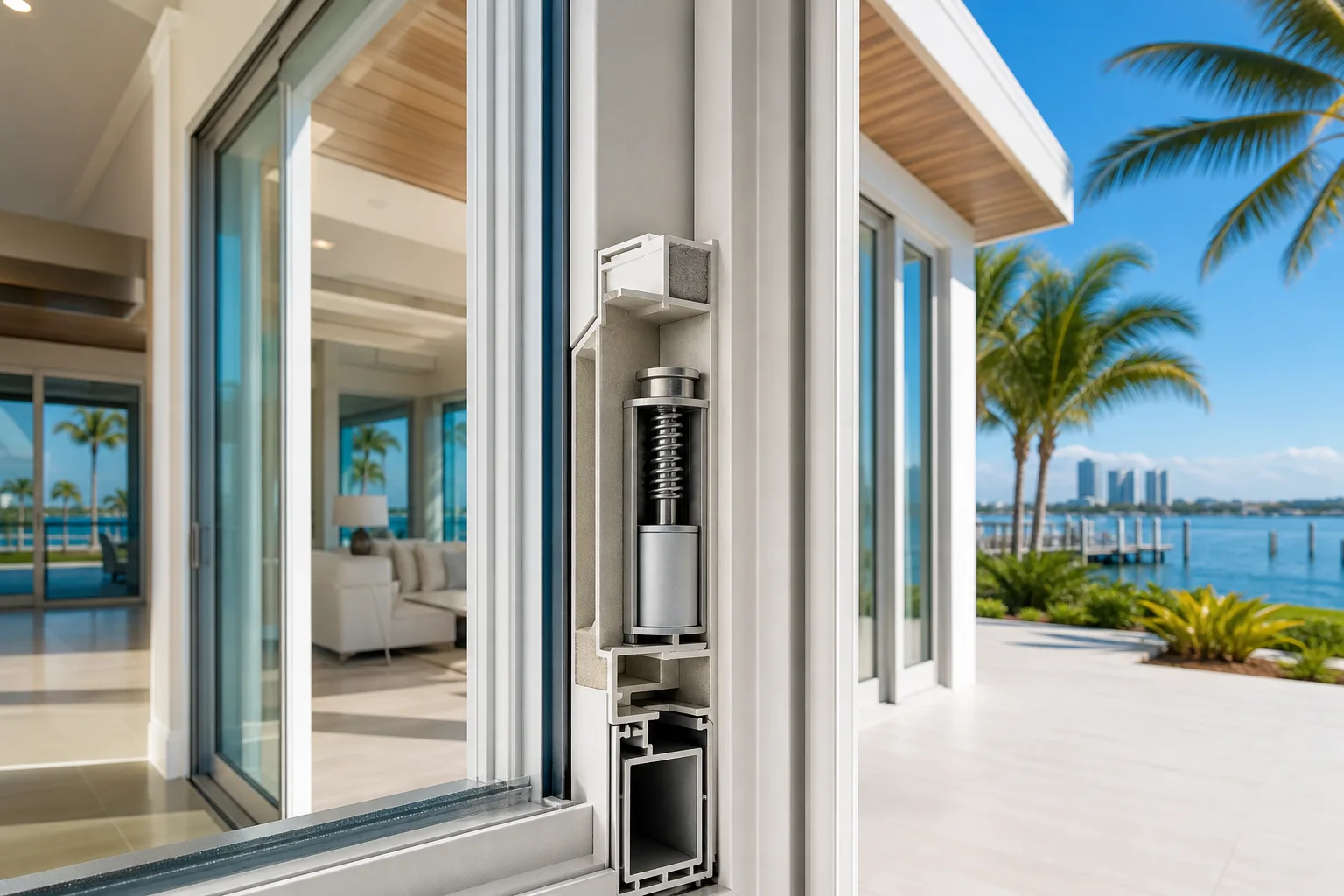
If you're considering new impact windows as part of addressing frame-age issues, review product fit and documentation requirements, since impact-rated aluminum and non-aluminum options both exist. The hurricane impact windows page and windows & doors replacement page describe what's involved, while exact product lines, approvals, and installation details should be confirmed against your written project scope.
Common mistakes
- Caulking over a gap without finding out why it opened, which can mask a fastener or structural issue
- Assuming all frame gaps are an emergency, when many are a slow cosmetic or maintenance issue
- Ignoring repeated gaps on the same window, which usually signals a localized structural or installation problem rather than simple thermal wear
- Mixing up glazing bead failure (a separate, humidity-driven seal issue) with frame-level thermal gap formation
- Delaying inspection on a home with original aluminum single-hung windows going into hurricane season, when gap-related air and water intrusion is most consequential
Bottom line
Thermal expansion in aluminum frames is a normal, expected behavior, not a defect, but it does accumulate stress over years of heat cycling that's common in South Florida. A simple visual and tactile check can tell you whether what you're seeing is cosmetic or something that needs professional attention. If your aluminum frames are older, show multiple gap points, or you're unsure whether the issue is cosmetic or structural, request an estimate or contact us for an inspection before storm season narrows your scheduling window.
Compare impact-window options for your project.
Request a written estimate that identifies the quoted assembly, opening, design pressure, product approval, exposure, installation scope, and applicable project requirements.
Frequently asked questions
Does thermal expansion mean my aluminum frame is defective?
No. Expansion and contraction with temperature change is normal behavior for aluminum and is accounted for in window design. Gaps become a concern only when movement accumulates over many years to the point of loosening fasteners or seals.
Can I reseal a thermal gap myself?
A small cosmetic gap in exterior caulk can sometimes be addressed with basic sealant work, but this does not fix an underlying fastener or structural issue. If the gap recurs or you feel looseness in the frame itself, professional inspection is the safer route.
Does this affect impact-rated aluminum windows too?
Yes, the same physical properties of aluminum apply to impact-rated frames, though quality installation and proper fastening are designed to manage this movement over the product's service life. Age, installation quality, and sun exposure all affect how quickly any gap forms.
Is this the same issue as glazing bead failure?
No. Glazing bead failure relates to the seal holding the glass pane in the sash, often driven by humidity and material breakdown. Thermal frame gaps relate to the frame structure itself expanding and contracting, a separate mechanism with separate warning signs.