5 Signs It's Time to Replace Your Windows in Florida
Your home's windows work harder than you think. In Florida's extreme subtropical climate—with scorching heat, intense UV radiation, high humidity, and hurricane threats—windows face relentless stress that gradually degrades their performance and protective capabilities.
Knowing when to replace your windows can save you thousands in energy costs, prevent structural damage, enhance safety, and protect your home during severe weather. This comprehensive guide reveals the 5 critical warning signs that it's time to invest in new windows for your Florida home.
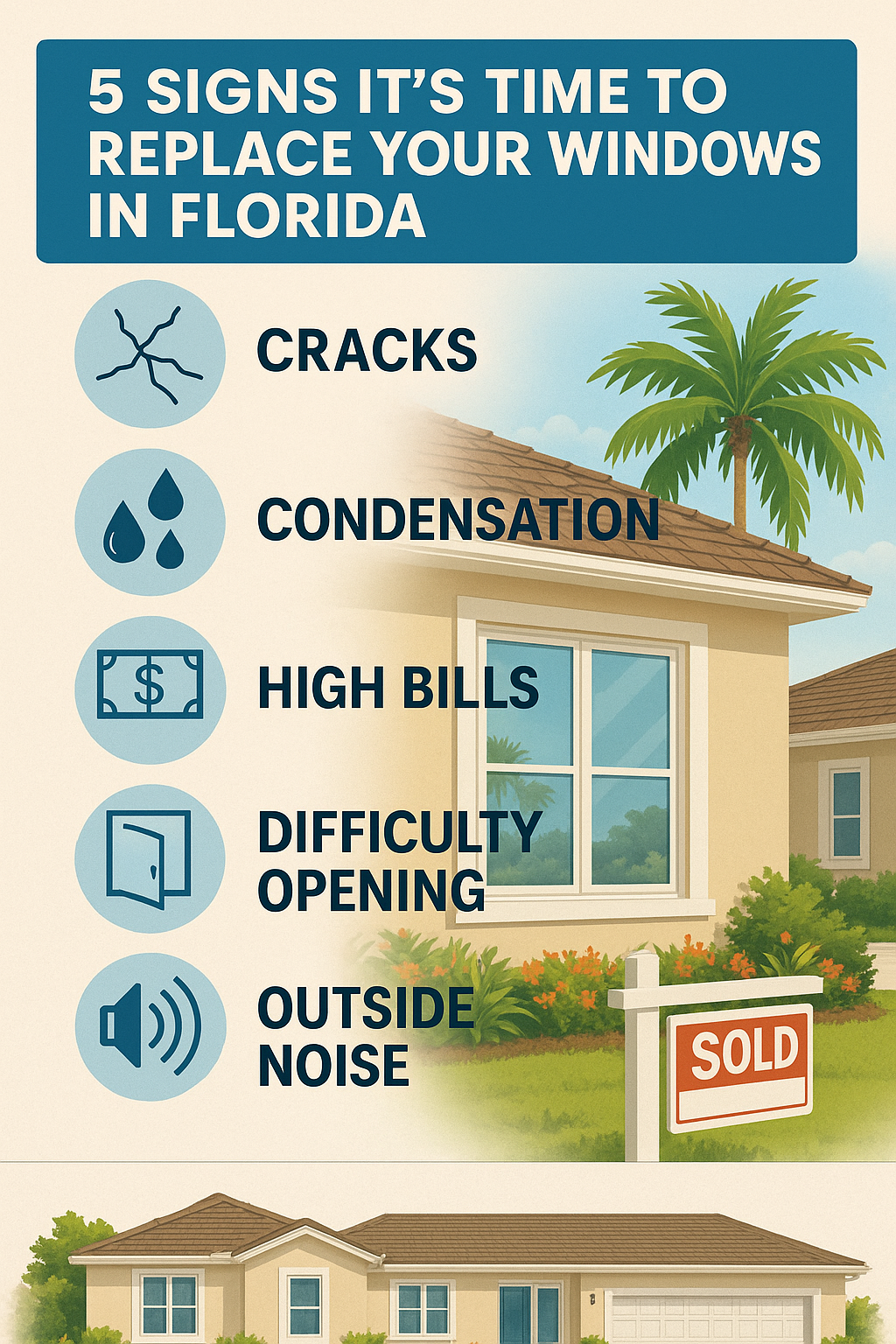
Sign #1: Rising Energy Bills and Poor Temperature Control
One of the earliest and most costly indicators of failing windows is declining energy efficiency.
What to Look For
- Increasing cooling costs: Electric bills rising 15-30% year-over-year without usage changes
- Hot spots near windows: Areas that remain warm despite air conditioning
- HVAC running constantly: System struggling to maintain temperature
- Uneven room temperatures: Some rooms noticeably warmer than others
- Condensation between panes: Failed seals allowing moisture infiltration

Why This Happens
Florida's intense solar heat combined with high humidity breaks down window seals, UV-degrades frames, and compromises insulating gas fills. According to the U.S. Department of Energy, failed window seals can increase cooling costs by 25-40% as conditioned air escapes and heat infiltrates your home.
The Financial Impact
For a typical 2,000 sq ft Florida home with old, inefficient windows:
- Annual energy waste: $600-$1,200 in excess cooling costs
- HVAC strain: Shortened system lifespan costing $3,000-$8,000 in premature replacement
- Comfort loss: Reduced home livability and functionality
The Solution
Modern energy-efficient windows with Low-E coatings, argon gas fills, and superior seals reduce solar heat gain by 30-50%, cutting cooling costs by $400-$800 annually while dramatically improving comfort.
Sign #2: Visible Damage, Deterioration, or Operational Issues
Physical window damage compromises both performance and safety, requiring immediate attention.
What to Look For
- Cracked or broken glass: Compromised structural integrity and security
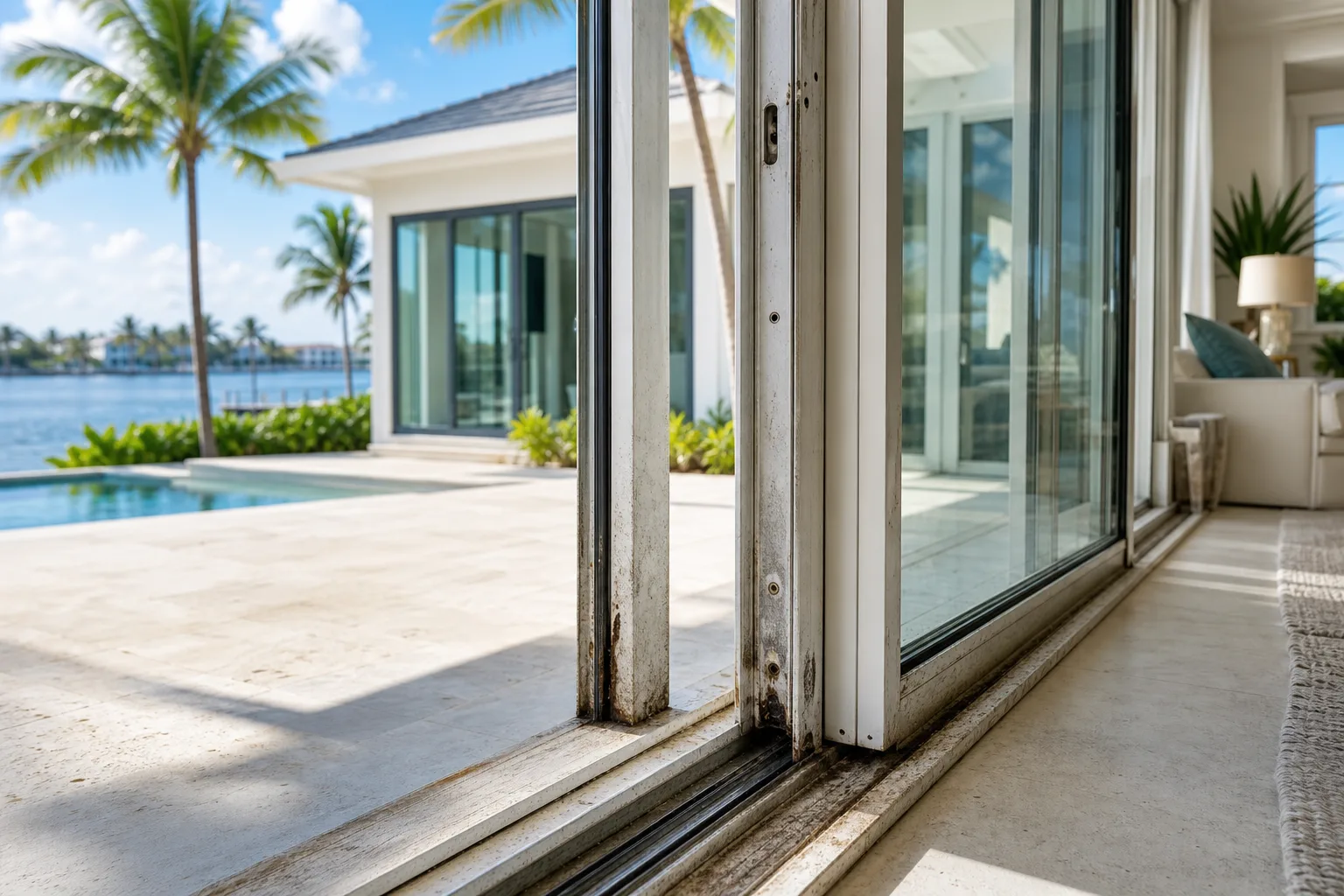
- Rotting wood frames: Soft, discolored, or crumbling frame material
- Warped or bent frames: Gaps visible when windows are closed
- Peeling paint or rust: Frame deterioration from moisture exposure
- Difficult operation: Windows that stick, bind, or won't stay open
- Broken hardware: Locks, cranks, or balances that don't function
- Separated frame joints: Gaps at corners or where frame meets wall
Why This Matters in Florida
Florida's combination of heat, humidity, salt air (coastal areas), and UV exposure accelerates window deterioration. Wood frames exposed to moisture develop rot and mold. Aluminum frames corrode. Vinyl becomes brittle from constant UV bombardment. These issues don't just affect aesthetics—they compromise your home's weather barrier and security.
Safety and Structural Concerns
- Hurricane vulnerability: Damaged windows fail during storms, risking catastrophic interior damage
- Security breaches: Broken locks or weak frames invite intrusion
- Injury hazards: Cracked glass or falling sashes pose injury risks
- Water infiltration: Leading to mold, structural damage, and health issues
The Solution
Replace damaged windows immediately with Florida-appropriate materials. Impact-resistant windows provide superior durability, weather resistance, and protection. Modern vinyl and fiberglass frames resist rot, corrosion, and UV damage for 25-30+ years of trouble-free performance.
Sign #3: Drafts, Air Leaks, and Weather Infiltration
Air infiltration around windows forces your HVAC to work overtime while reducing comfort and indoor air quality.
What to Look For
- Noticeable drafts: Feeling air movement near closed windows
- Light penetration: Daylight visible around closed window edges
- Water leaks: Moisture entering during rain, especially wind-driven rain
- Dust accumulation: Increased dust on window sills from outdoor infiltration
- Pest entry: Insects entering through gaps around frames
- Outside noise intrusion: Increased traffic, neighbor, or street noise
Testing for Air Leaks
Try these simple tests:
- The hand test: On a windy day, hold your hand near window edges to feel drafts
- The candle test: Hold a lit candle near window perimeter—flame flicker indicates air leaks
- The dollar bill test: Close window on a dollar bill—if you can pull it out easily, seals are compromised
- The smoke test: Use incense stick near windows—smoke movement reveals air flow
Why Florida Homeowners Can't Ignore This
In Florida's climate, air leaks have severe consequences:
- Humidity infiltration: Outdoor moisture enters, promoting mold and mildew growth
- Energy waste: Estimated 20-35% of cooling costs lost through air leaks
- Storm vulnerability: Air gaps become water entry points during hurricanes
- Indoor air quality: Outdoor pollutants, allergens, and pollutants infiltrate living spaces
The Solution
Modern windows feature advanced weatherstripping, multi-point locking systems, and precision manufacturing that creates airtight seals. Premium manufacturers design windows specifically for Florida's demanding climate, ensuring decades of leak-free performance.
Sign #4: Single-Pane Windows or Outdated Technology
If your home still has single-pane windows or technology from the 1990s or earlier, you're missing significant performance, savings, and protection benefits.
Why Single-Pane Windows Are Obsolete in Florida
- Zero insulation value: Single glass provides virtually no thermal barrier
- Maximum solar heat gain: No Low-E coatings to block heat-producing wavelengths
- No impact resistance: Vulnerable to hurricane debris, intrusion, and breakage
- Loud operation: No sound dampening from dual-pane construction
- UV damage: No protection for furnishings, flooring, and artwork
Technology Advances Since 1990s
Window technology has transformed dramatically over the past 25+ years:
| Feature | 1990s Windows | Modern 2025 Windows |
|---|---|---|
| Energy Efficiency | U-factor: 0.80-1.20 | U-factor: 0.20-0.40 (60-75% better) |
| Solar Heat Control | SHGC: 0.70-0.90 | SHGC: 0.20-0.30 (70% improvement) |
| Impact Protection | None | Miami-Dade certified, 200+ mph wind resistance |
| Gas Fills | Air only | Argon/Krypton for superior insulation |
| Glass Coatings | None or basic tint | Multi-layer Low-E, UV blocking |
| Frame Materials | Wood, aluminum | Advanced vinyl, fiberglass, composite |
| Noise Reduction | Minimal | 30-50% reduction with laminated glass |
The Financial Case for Upgrading
Homes with outdated windows face:
- Energy costs 40-60% higher than necessary
- Insurance premiums 20-45% higher without impact protection
- Resale value 5-10% lower compared to updated comparables
- Hurricane damage risk costing $10,000-$100,000+ in potential losses
The Solution
Upgrading to modern impact-resistant, energy-efficient windows delivers immediate and long-term benefits. Most Florida homeowners recoup their investment within 8-12 years through combined energy savings, insurance discounts, and home value increase.
Sign #5: Approaching or Past 20-Year Service Life
Even well-maintained windows have finite lifespans, particularly in Florida's harsh climate.
Expected Window Lifespan by Type
- Wood windows: 15-20 years in Florida (moisture and termite vulnerability)
- Aluminum windows: 20-25 years (corrosion in coastal environments)
- Vinyl windows: 20-30 years (UV degradation reduces lifespan)
- Fiberglass windows: 30-50 years (superior durability)
- Impact-resistant windows: 25-40 years (engineered for extreme conditions)
Signs of Age-Related Decline
As windows approach their lifespan limits, you'll notice:
- Gradual efficiency loss: Incrementally increasing energy consumption
- Cosmetic deterioration: Fading, discoloration, surface degradation
- Seal failures: Condensation between panes from broken seals
- Operating difficulties: Hinges, tracks, and mechanisms wearing out
- Outdated aesthetics: Styles that date your home and reduce appeal
Why Florida Accelerates Window Aging
Florida's climate compounds normal aging processes:
- UV exposure: 20-30% more intense than northern climates, degrading materials faster
- Heat cycling: Extreme temperature fluctuations stress frames and seals
- Humidity: Constant moisture exposure accelerates corrosion and rot
- Salt air (coastal): Corrodes metal components and degrades finishes
- Hurricane stress: Extreme pressure events compromise structural integrity
Proactive Replacement Benefits
Replacing windows before catastrophic failure provides:
- Planned budgeting: Avoid emergency replacement at premium prices
- Installation flexibility: Choose optimal timing rather than responding to crisis
- Maximum ROI: Capture energy savings and home value increase earlier
- Hurricane preparedness: Ensure protection before next storm season
The Solution
If your windows are approaching 15-20 years old, schedule a professional evaluation. Even without obvious failure signs, proactive replacement prevents emergency situations, maximizes ROI, and ensures your home has modern protection when the next hurricane strikes.
Additional Warning Signs to Monitor
Beyond the top 5 signs, watch for these indicators:
- Excessive noise intrusion: Outside sounds clearly audible with windows closed
- Fading furniture and flooring: UV damage from inadequate glass coatings
- Mold or mildew around frames: Moisture infiltration from failed seals
- Frequent repainting needs: Frame deterioration requiring constant maintenance
- Higher insurance premiums: Lack of impact protection increases costs
- Failed home inspection: Buyer concerns about window condition during sale
The Cost of Delaying Window Replacement
Postponing necessary window replacement creates compounding costs:
Energy Waste
Every year you delay costs $600-$1,200 in excess energy consumption—money that could fund your replacement.
Structural Damage
Water infiltration from failed windows causes:
- Mold remediation: $2,000-$10,000 depending on extent
- Wall/frame rot repair: $1,500-$8,000 for structural restoration
- Interior damage: Flooring, drywall, and finish replacement
Hurricane Vulnerability
Failed windows during hurricanes lead to:
- Interior water damage: $15,000-$75,000 average claim
- Wind damage escalation: Breached envelope allows catastrophic pressure damage
- Insurance issues: Potential claim denials for deferred maintenance
Reduced Home Value
Old, inefficient windows reduce resale value by 5-12%, potentially costing $15,000-$50,000 on a $350,000 home.
Choosing the Right Replacement Windows for Florida
When it's time to replace, prioritize these features for Florida performance:
Impact Resistance
Choose impact-resistant windows meeting Miami-Dade County certification—the nation's strictest standard. This ensures genuine hurricane protection and maximum insurance discounts.
Energy Efficiency
Look for Energy Star certification with Florida-specific requirements:
- U-factor ≤ 0.40: Superior insulation value
- SHGC ≤ 0.25: Optimal solar heat rejection
- Low-E coatings: Multiple layers for heat and UV blocking
- Argon gas fills: Enhanced insulation between panes
Durable Frame Materials
- Vinyl: Best value, low maintenance, excellent insulation
- Fiberglass: Superior strength and longevity, premium price
- Aluminum: Ideal for commercial applications, sleek profiles
Warranty Coverage
Ensure comprehensive protection:
- Lifetime glass breakage coverage
- 20+ year frame and hardware warranty
- Transferable to future owners
- Labor coverage for defects
Frequently Asked Questions
How do I know if my windows need replacing?
Watch for rising energy bills (15-30% increase), visible damage (cracks, rot, warping), drafts or air leaks, outdated single-pane construction, or windows approaching 20 years old. Any combination of these signs indicates it's time for replacement.
What is the average lifespan of windows in Florida?
Florida's harsh climate reduces typical window lifespans: wood windows last 15-20 years, aluminum 20-25 years, vinyl 20-30 years, and fiberglass/impact-resistant windows 25-40 years. UV exposure, humidity, and salt air accelerate aging compared to northern climates.
Can I just repair my old windows instead of replacing them?
Minor repairs (weatherstripping, hardware) can extend life temporarily, but windows showing multiple failure signs typically aren't cost-effective to repair. Replacement delivers better energy efficiency, hurricane protection, and long-term value than repeated repairs on deteriorating units.
How much does window replacement cost in Florida?
Expect $400-$1,400 per window installed for standard windows, or $600-$1,600 for impact-resistant windows. Complete home replacement (15-25 windows) typically costs $12,000-$40,000 depending on size, materials, and features. Learn more about pricing.
Will new windows reduce my energy bills?
Yes, significantly. Modern energy-efficient windows reduce Florida cooling costs by $400-$800 annually compared to single-pane or failing windows. Over 20 years, this equals $8,000-$16,000 in savings, often paying for the replacement investment.
Do I need impact-resistant windows in Florida?
While not legally required everywhere, impact windows are highly recommended for Florida homes. They provide hurricane protection, 15-45% insurance discounts, enhanced security, noise reduction, and energy efficiency—delivering exceptional ROI even if you never experience a hurricane.
What happens if I ignore window problems?
Delaying replacement leads to escalating costs: $600-$1,200 annual energy waste, $2,000-$10,000 mold remediation, $15,000-$75,000 hurricane damage, and 5-12% reduction in home value. Problems compound—early replacement saves money long-term.
When is the best time to replace windows in Florida?
Late spring (May-June) and early fall (September-October) offer optimal weather and contractor availability. Avoid peak hurricane season (July-August) and ensure installation completes before June 1st hurricane season start for maximum protection.
Take Action: Protect Your Home and Investment
Recognizing these warning signs empowers you to make timely, informed decisions about window replacement. Don't wait for catastrophic failure, emergency situations, or the next hurricane to force your hand.
Schedule your free window evaluation today! Contact Window Guys of Florida at (561) 598-6295 for a professional assessment of your windows' condition and personalized replacement recommendations.
Our certified window experts serve homeowners throughout Palm Beach County, Broward County, Miami-Dade, Martin, and St. Lucie counties. We'll help you select the perfect windows to maximize energy savings, enhance protection, and increase your home's value.
Don't delay—every month you wait costs you money in energy waste and increases your hurricane vulnerability. Let us show you how modern windows can transform your home's comfort, efficiency, and safety. Call now for your complimentary consultation!