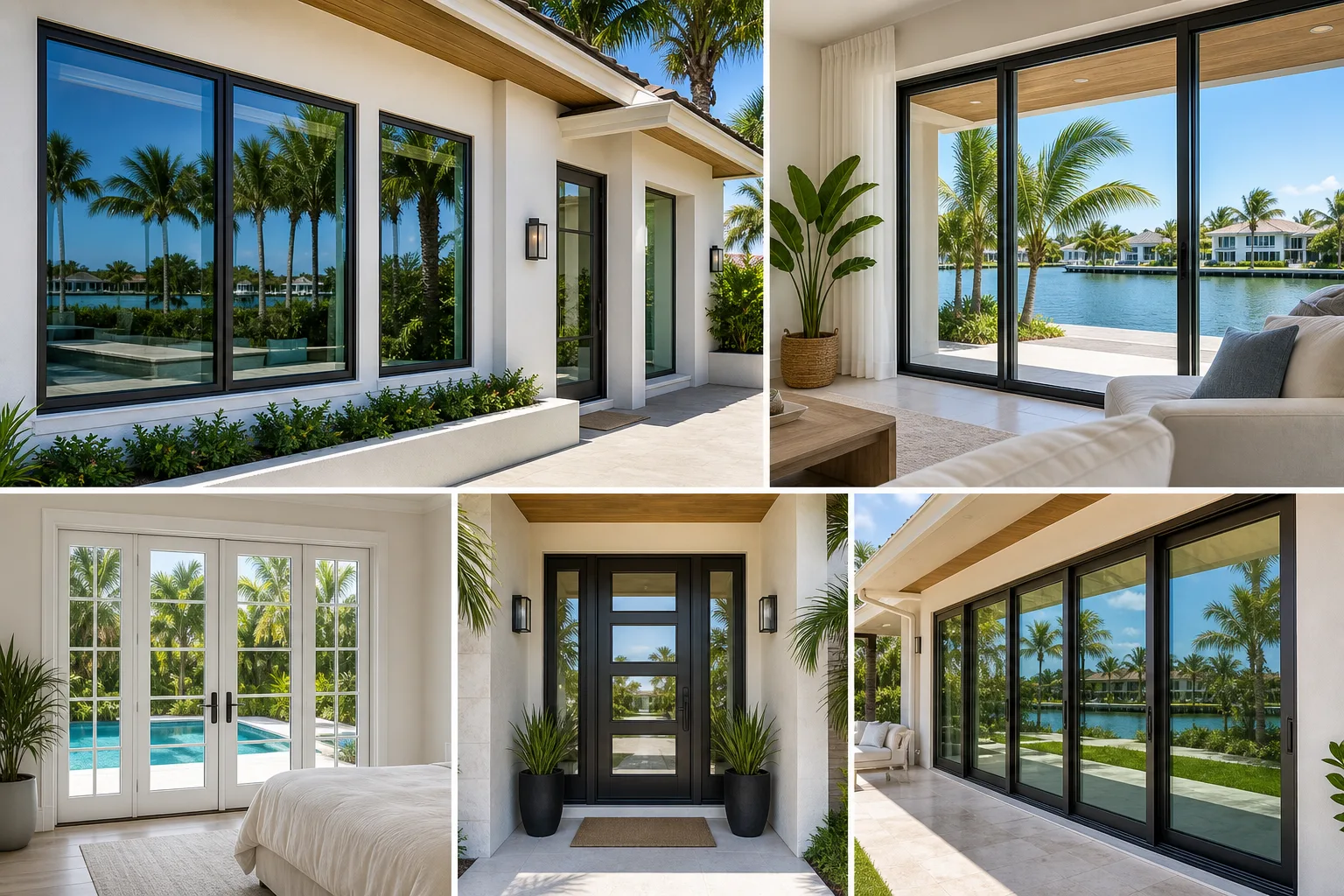
TL;DR: A window estimate typically covers product and labor for standard conditions. Permit fees, structural repairs, disposal, HOA-related delays, and engineering documents are often billed separately or added when field conditions differ from the original scope. Ask about each item before signing.
Most impact window estimates are written before a contractor has opened your walls, pulled an official permit, or confirmed what the local building department requires for your specific address. That gap between the quote and the finished job is where additional costs tend to appear. None of these are necessarily overcharges; some are simply unknowns that cannot be priced until the project is underway. Knowing which five categories to ask about up front lets you compare proposals fairly and build a realistic budget.
1. Permit and Inspection Fees
Permit fees are set by the local building department, not the contractor. They vary by county, municipality, and project valuation. Miami-Dade, Broward, Palm Beach, Martin, and St. Lucie counties each have their own fee schedules, and some municipalities within those counties add their own layer.
A contractor can estimate permit costs based on experience, but the exact fee is not confirmed until the application is submitted. If the department increases fees between quote and submission, or if the project valuation is adjusted during review, the permit line can shift.
Ask specifically: Does the estimate include permit fees, and is that figure an estimate or a not-to-exceed cap?
2. Structural or Framing Repairs Discovered During Installation
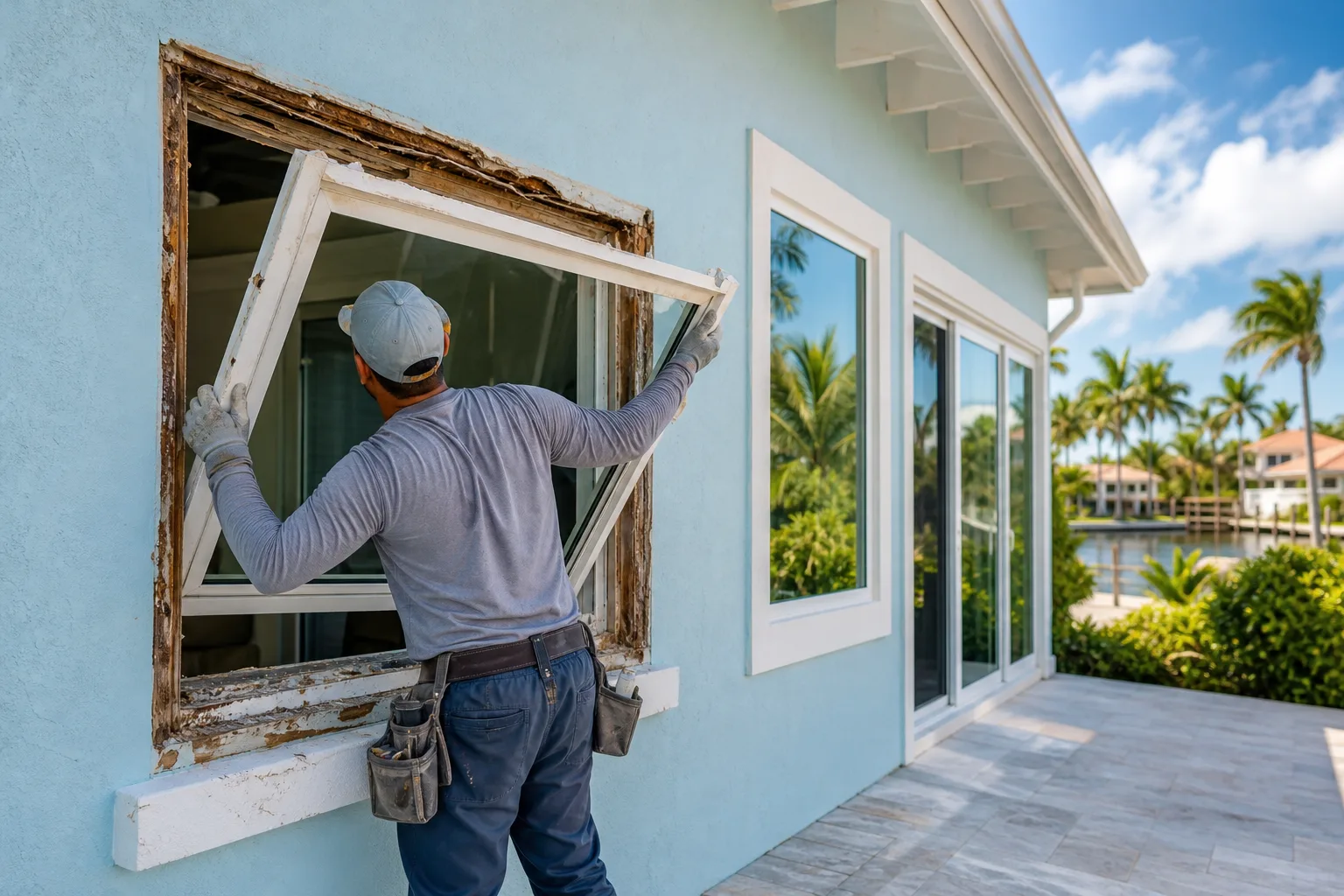
Impact windows must fasten into sound framing or masonry. When crews remove an existing window, they sometimes find rotted wood, corroded lintels, deteriorated sill plates, or soft concrete block that was not visible during the pre-installation walkthrough.
Repair scope and cost depend entirely on what is found. A small section of rotted wood buck is a minor add-on. Significant lintel corrosion or failed masonry can be a separate structural repair with its own materials and labor.
This cost cannot be pre-priced fairly. What you can ask for is the contractor's policy: How are discoveries documented? Is there a written change-order process before work proceeds? See also our notes on what a rough opening inspection reveals before installation starts.
3. Engineering Documents and Product Approval Supplements
Some installations require a signed and sealed engineer's letter, a project-specific load calculation, or supplemental documentation beyond the standard Florida Product Approval package. This is more common in high-velocity hurricane zones, on older structures, for large or custom-sized openings, or when a local jurisdiction requests additional backup.
Engineering services are typically billed by the engineer, not the contractor, and the fee depends on the complexity of the review. If your project is in a coastal flood zone or involves an opening size near the edge of a product's tested range, ask whether engineering documents are included in the estimate or would be a separate invoice.
For more on what product approval documentation covers, see what the Florida product approval number on your window actually means.
Compare impact-window options for your project. Request a free estimate
4. Debris Disposal and Haul-Away
Removing existing windows and doors generates a meaningful volume of debris: old frames, glass, fasteners, stucco fragments, and packing material from new product. Disposal costs depend on how many openings are involved, the materials being removed, and local dump fees.
Some estimates include haul-away as a line item. Others treat it as an add-on or assume the homeowner will arrange disposal. Neither approach is inherently wrong, but you need to know which one applies to your quote before comparing competing bids.
Ask: Is debris removal and haul-away included? If not, what is the estimated cost?
5. HOA or Municipality Review Delays and Re-Submittals
Homeowners associations in many South Florida communities require architectural review and approval before installation can begin. Some municipalities have their own design review boards for historic districts or overlay zones. These processes can add weeks to a timeline and, in some cases, require product color changes, frame style substitutions, or documentation re-submittals.
If a re-submittal requires a different product than what was quoted, or if delays cause a price-lock period to expire, the contract amount can change. This is not a contractor markup; it is a downstream consequence of a third-party approval process.
Before signing, confirm whether the contractor's timeline accounts for HOA review. Ask whether the quoted product is conditionally approved by your HOA or whether that step is still pending. For guidance on questions to ask about your specific project setup, see 6 things you need to know before you install hurricane impact windows.
How to Use This List Before You Sign
Use the five categories above as a short checklist when reviewing any estimate:
- Permit fees - Included, estimated, or billed at cost?
- Structural repairs - What is the change-order process if damage is found?
- Engineering documents - Are they needed for your project, and who pays?
- Disposal - Included or separate?
- HOA or design review - Has it been completed, or is it still pending?
A contractor who answers all five questions clearly before you sign is demonstrating transparency about how their project scope is defined. A vague answer on any item is worth following up on before you commit.
Bottom Line
No estimate written before walls are opened and permits are submitted can account for every variable. The five categories above represent legitimate project costs that commonly surface after signing, not contractor errors or bait-and-switch pricing. Asking about each one up front lets you evaluate competing bids on the same basis and build a budget that reflects realistic total cost.
If you are preparing to compare impact window or impact door proposals in Palm Beach, Broward, Miami-Dade, Martin, or St. Lucie County, request an estimate from Window Guys of Florida and ask these five questions during the consultation.
Compare impact-window options for your project.
Request a written estimate that identifies the quoted assembly, opening, design pressure, product approval, exposure, installation scope, and applicable project requirements.
Frequently asked questions
Can a contractor legally charge more than the signed estimate?
A signed contract sets the agreed scope, but change orders are standard practice when field conditions differ from what was originally quoted. Legitimate additional charges require written documentation of the new scope and your approval before work proceeds. Always confirm this process before signing.
Are permit fees ever refunded if the project is canceled?
Permit refund policies vary by jurisdiction. Some Florida building departments issue partial refunds if a permit is canceled before inspections begin; others do not. This is a question for the specific building department, not the contractor, and the answer depends on your county or municipality.
How do I know if my opening requires an engineering letter?
Engineering letters are more commonly required for large openings, older construction types, high-velocity hurricane zones, or when a jurisdiction requests supplemental documentation beyond the standard product approval package. Your contractor should be able to identify this risk during the pre-installation review, but project-specific confirmation requires review of the actual permit application and jurisdiction requirements.
What happens if the product I ordered does not meet my HOA's requirements?
If an HOA review results in a required product change after the contract is signed, the contractor typically issues a change order reflecting any difference in product cost. Avoiding this situation is easier if HOA approval is confirmed before product is ordered, so ask where the review stands before signing.