TL;DR: A glazing bead is the trim-like component that secures glass into a window or door frame. In South Florida's sustained heat, UV exposure, and high humidity, glazing beads, especially older vinyl or rubber types, shrink, crack, and pull away from the frame. When that happens, the seal fails and water entry risk rises. Replacement is not always immediate, but ongoing deterioration is worth monitoring during the Florida hurricane calendar's pre-season window.
What a Glazing Bead Actually Does
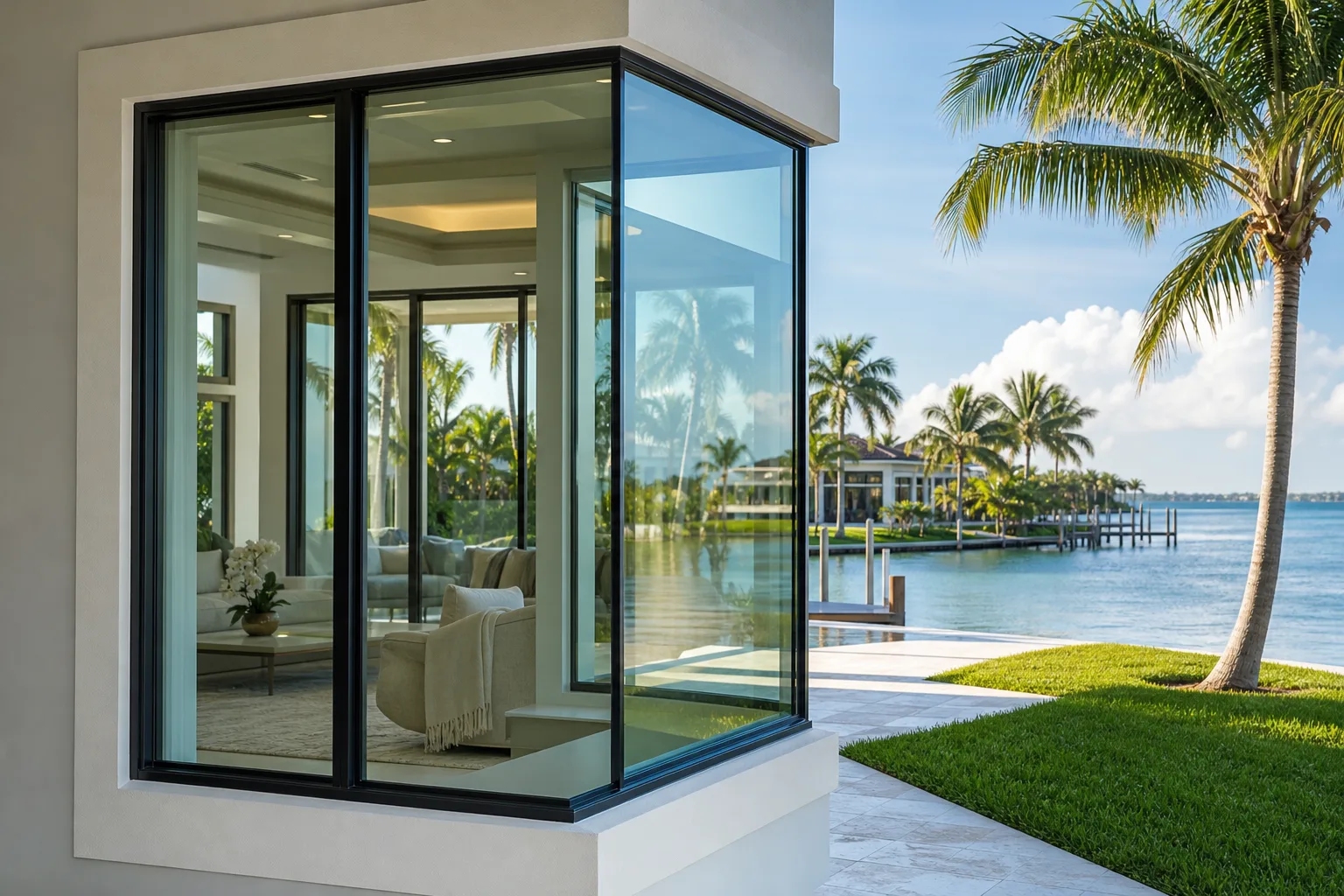
A glazing bead is the narrow channel or strip, typically made from vinyl, rubber, or aluminum, that runs along the perimeter of a glass unit where it meets the frame. Its job is mechanical and sealing at the same time.
Mechanically, it holds the glass in place inside the sash or frame pocket. Without it, the glass would shift under pressure. For sealing, it closes the gap between glass edge and frame material so that wind-driven rain cannot track inward along that joint.
On impact-rated windows and doors, the glazing bead is part of the tested assembly. The specific bead profile, its material, and how it interfaces with the frame were all part of the product approval testing. Swapping bead materials or profiles without verification against the original approval document can affect the system's rated performance.
Why Humid Climates Accelerate Failure
South Florida averages roughly 60 inches of rainfall per year, maintains high relative humidity for most of the year, and delivers intense UV radiation year-round. That combination stresses glazing bead materials in several specific ways.
Thermal cycling. Daytime temperatures heat frames and glass to well above ambient air temperature. At night, they cool. This daily expansion and contraction causes softer materials like vinyl and EPDM rubber to fatigue over time. The bead gradually loses the compression it needs to seal.
UV degradation. South Florida's solar angle and clear-sky days expose beads to more cumulative UV than most of the continental United States. UV breaks down plasticizers in vinyl, making the material brittle rather than flexible. A brittle glazing bead cannot maintain contact with the glass edge as the frame flexes during wind events.
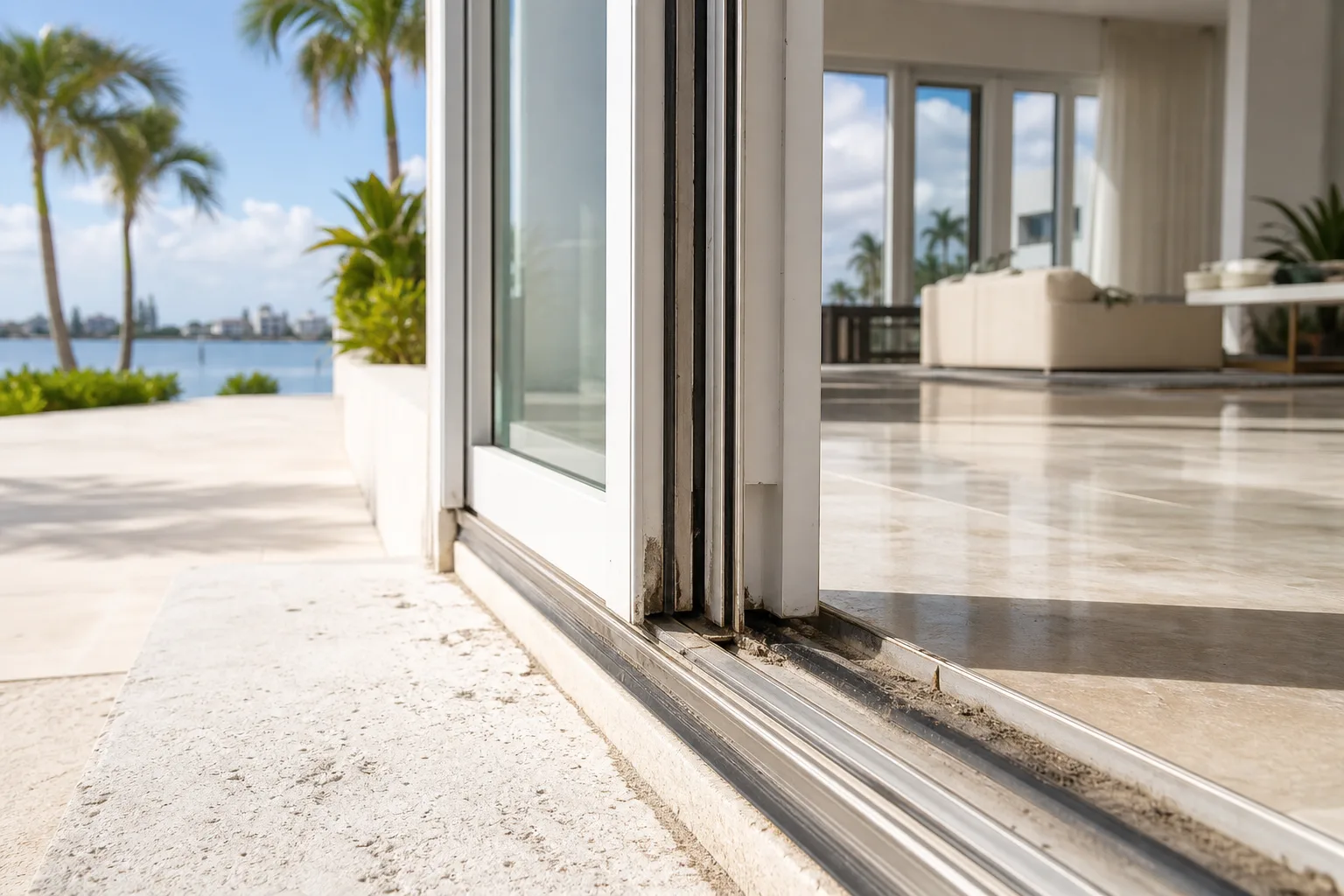
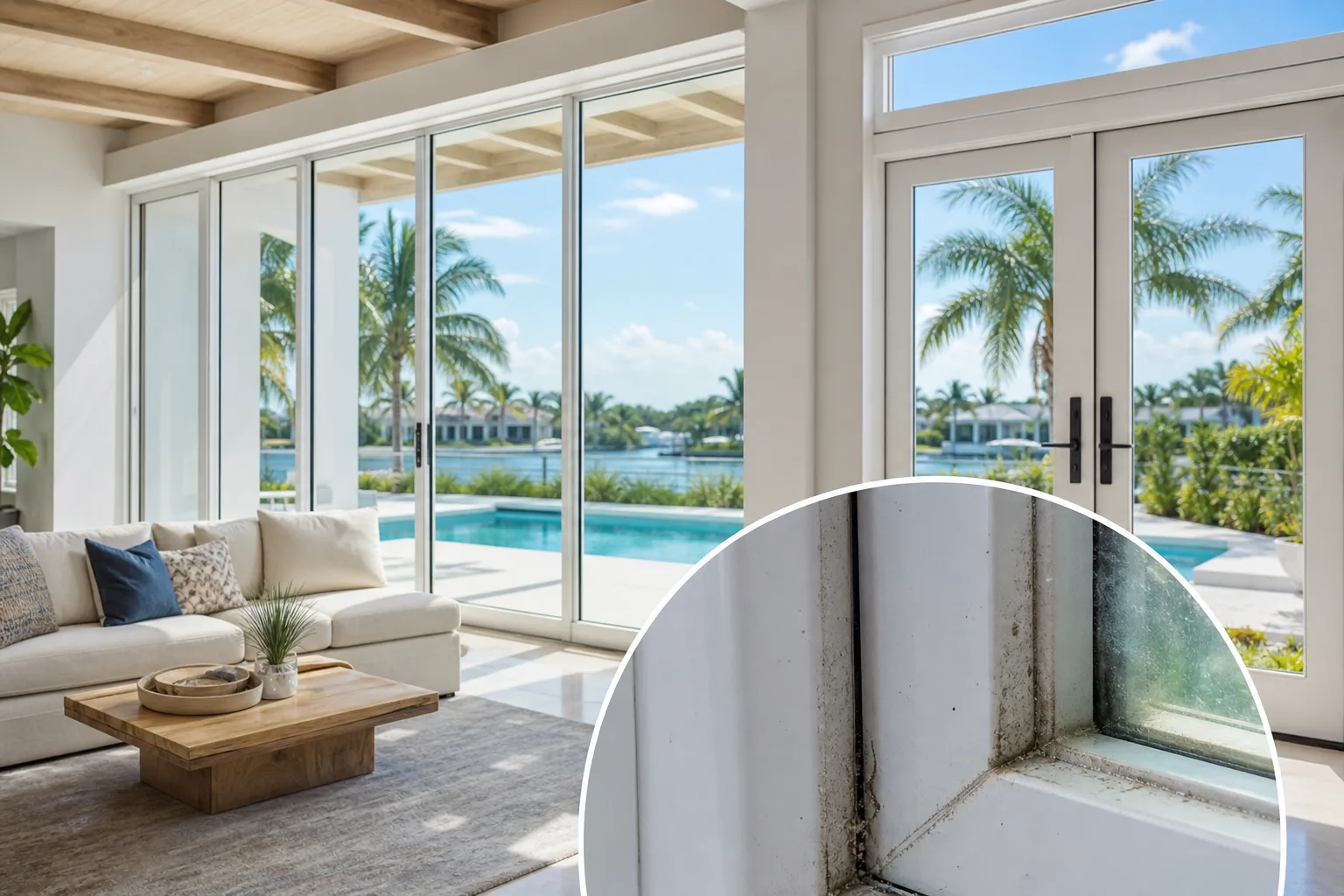
Moisture absorption and mold. Where a bead has already pulled slightly away from the frame, moisture collects in that gap. That standing moisture supports mold and mildew, which further degrades the bead material and can stain or etch the glass edge over time.
Salt air. Coastal properties in Palm Beach, Broward, and Miami-Dade counties deal with salt-laden air that accelerates corrosion on any metallic bead retainer clips and degrades rubber compounds faster than inland conditions.
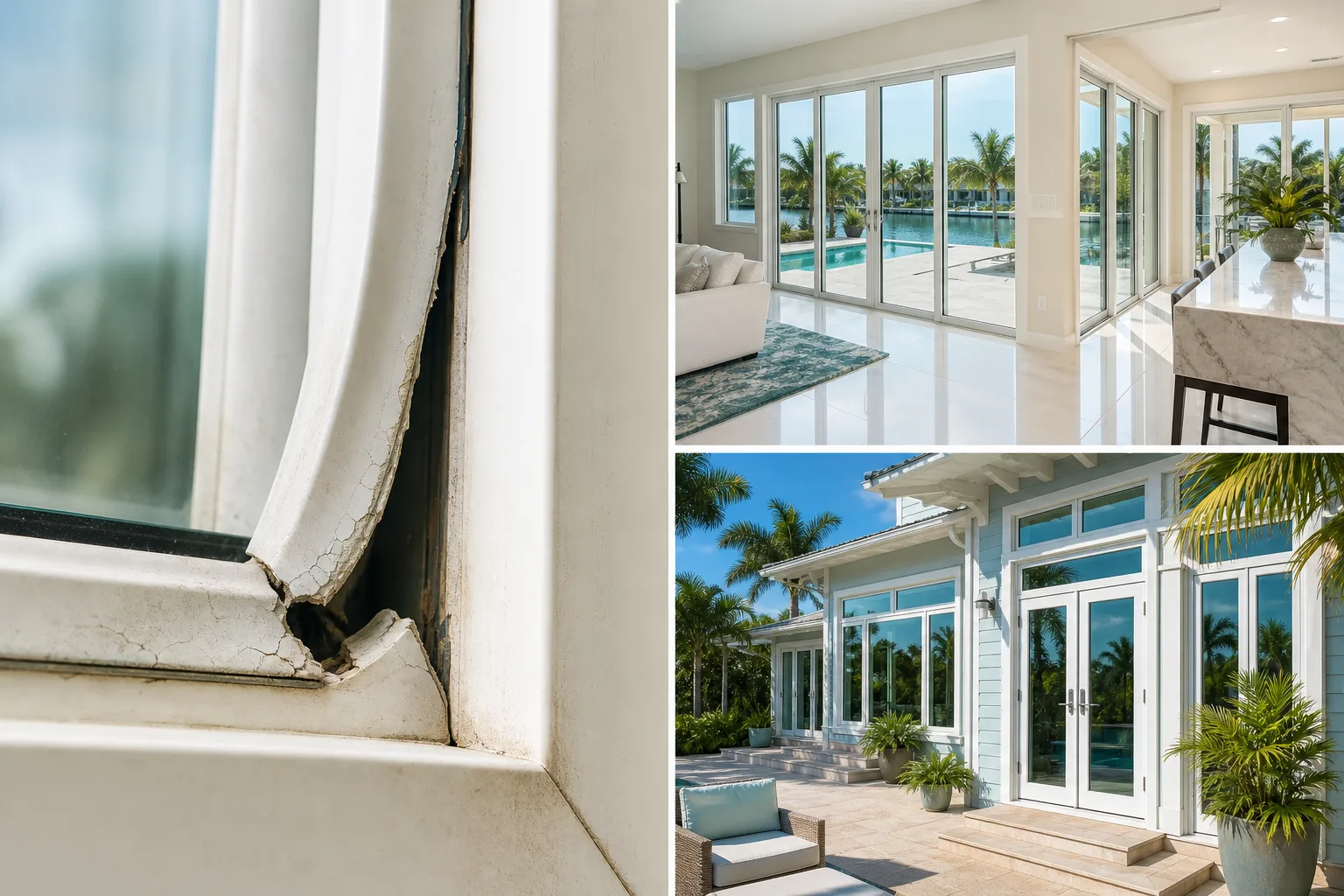
Signs a Glazing Bead Is Failing
You can inspect glazing beads without tools. Work around each window and door during a dry day and look for the following, checking in this order:
- Gaps or lift. Press the bead lightly with a fingertip. It should feel firmly seated. Any spring or lift away from the frame indicates loss of compression.
- Cracking or brittleness. Hairline cracks along the bead surface, especially at corners, signal UV fatigue.
- Discoloration or black streaking. Dark streaking along the bead or adjacent frame often indicates mold growth in a compromised joint.
- Water staining on the interior sill. If water has entered at the glass-to-frame joint during rain, the interior sill or frame corner will often show mineral deposits or paint bubbling.
- Visible shrinkage at corners. Vinyl beads commonly pull back from mitered corners first. Even a small gap at a corner can allow wind-driven water to enter under pressure.
Finding one or two early-stage signs does not necessarily mean the entire window is due for replacement. It does mean the window warrants closer attention before hurricane season, which the National Hurricane Center defines as June 1 through November 30.
Review opening-protection options before storm season. Request a free estimate
What Happens When a Bead Fails During a Storm
When a glazing bead loses its seal, the failure sequence during a wind event typically runs like this. Wind-driven rain pressurizes the exterior face of the window. Normally, that pressure finds no path past the glass-to-frame joint. With a compromised bead, water tracks along the glass edge, enters the frame pocket, and can appear on the interior sill or framing.
For impact-rated units, bead failure does not automatically mean the glass will fall out. The laminated glass in impact units is bonded to an interlayer that provides retention even if peripheral support is reduced. However, bead failure does mean the water seal is gone. Prolonged water intrusion behind the bead can damage the insulating glass unit's edge seal, the frame itself, and surrounding wall framing or finishes.
For non-impact windows with single-pane or standard insulating glass, a failed bead combined with significant wind load is a more immediate structural concern.
What We Don't Know Without a Site Review
A glazing bead's condition varies by orientation, shading, age, and original material specification. A south- or west-facing window on a coastal property ages faster than a shaded north-facing unit on the same house.
Whether a bead can be re-compressed, replaced in kind, or whether the frame system requires full replacement depends on:
- The original window manufacturer and product approval number
- Whether a matching bead profile is still available from that manufacturer
- Whether the existing frame is otherwise sound
- Local building department requirements for any work that modifies a permitted opening
A contractor inspecting the window in person can assess whether spot bead replacement is feasible or whether the frame condition and product age make full unit replacement the more practical path. That determination is project-specific and cannot be made from a photo or general description.
What to Do About It
If your pre-season inspection turns up glazing bead issues, the practical steps are straightforward.
Before June 1: Walk all windows and doors using the five-step diagnostic above. Document what you find with photos, noting which elevations show the most wear. South and west exposures in direct sun typically degrade fastest.
Check product age. If your windows are approaching or past 15 to 20 years, bead degradation is likely part of a broader frame and seal aging pattern rather than an isolated issue. The article 5 Signs It's Time to Replace Windows in Florida covers related indicators worth reviewing together.
Get a professional assessment before the season peaks. Permit timelines, product lead times, and installer schedules compress significantly in late spring. If replacement looks likely, requesting an estimate in late winter or early spring gives more scheduling flexibility. See /request-an-estimate/ to start that conversation with Window Guys of Florida.
Understand what an upgrade includes. Replacing older single-pane or non-impact windows with hurricane impact windows addresses glazing bead concerns as part of a new, tested assembly, while also providing the opening protection required under Florida's current building code for wind-borne debris regions. Impact doors carry the same logic for entry and sliding openings; see hurricane impact doors for door-specific considerations.
Self-help is appropriate for: visual inspection, documentation, and scheduling a professional review.
Professional assistance is appropriate for: any work involving the glass unit, the frame pocket, or modification to a permitted opening. DIY re-beading of impact-rated products may void product approval compliance. The article 3 Reasons You Shouldn't DIY Your Impact Windows explains that boundary in more detail.
Review opening-protection options before storm season.
The performance and responsibilities for permits, engineering, documentation, installation, and inspections depend on the exact assembly and written project scope.
Frequently asked questions
Can a glazing bead be replaced without replacing the entire window?
In some cases, yes. If the frame is otherwise sound and the original manufacturer still offers the matching bead profile, a contractor may be able to re-bead the unit. However, any work on an impact-rated assembly should be verified against the product's approval documentation to confirm the replacement keeps the unit in compliance.
Does glazing bead failure affect my wind mitigation inspection result?
A wind mitigation inspector evaluates opening protection status, and a compromised seal on an impact window could raise questions about whether the unit remains in its tested condition. If you are planning a wind mitigation inspection, have bead issues assessed and documented beforehand.
Are aluminum glazing beads more durable than vinyl in South Florida?
Aluminum beads resist UV degradation better than vinyl, but coastal salt air can corrode aluminum retainer clips and fasteners over time. Neither material is maintenance-free in South Florida conditions; the frame system design and original product approval determine which bead type is specified for a given window.
How often should I inspect glazing beads in a coastal South Florida home?
A visual inspection once a year, ideally before June 1 when hurricane season begins, is a reasonable baseline. Homes within a few miles of the coast or in direct sun on south or west elevations may warrant more frequent checks given accelerated material aging from salt air and UV exposure.