Hurricane Names History: 12 Fascinating Facts About Legendary Storms and How They Got Their Names
Hurricanes represent nature's most powerful and destructive forces, capable of reshaping entire coastlines and changing lives forever. Beyond their raw destructive power lies a fascinating 300-year history of how these massive storms received their names—from ancient religious traditions to sophisticated modern meteorological systems.
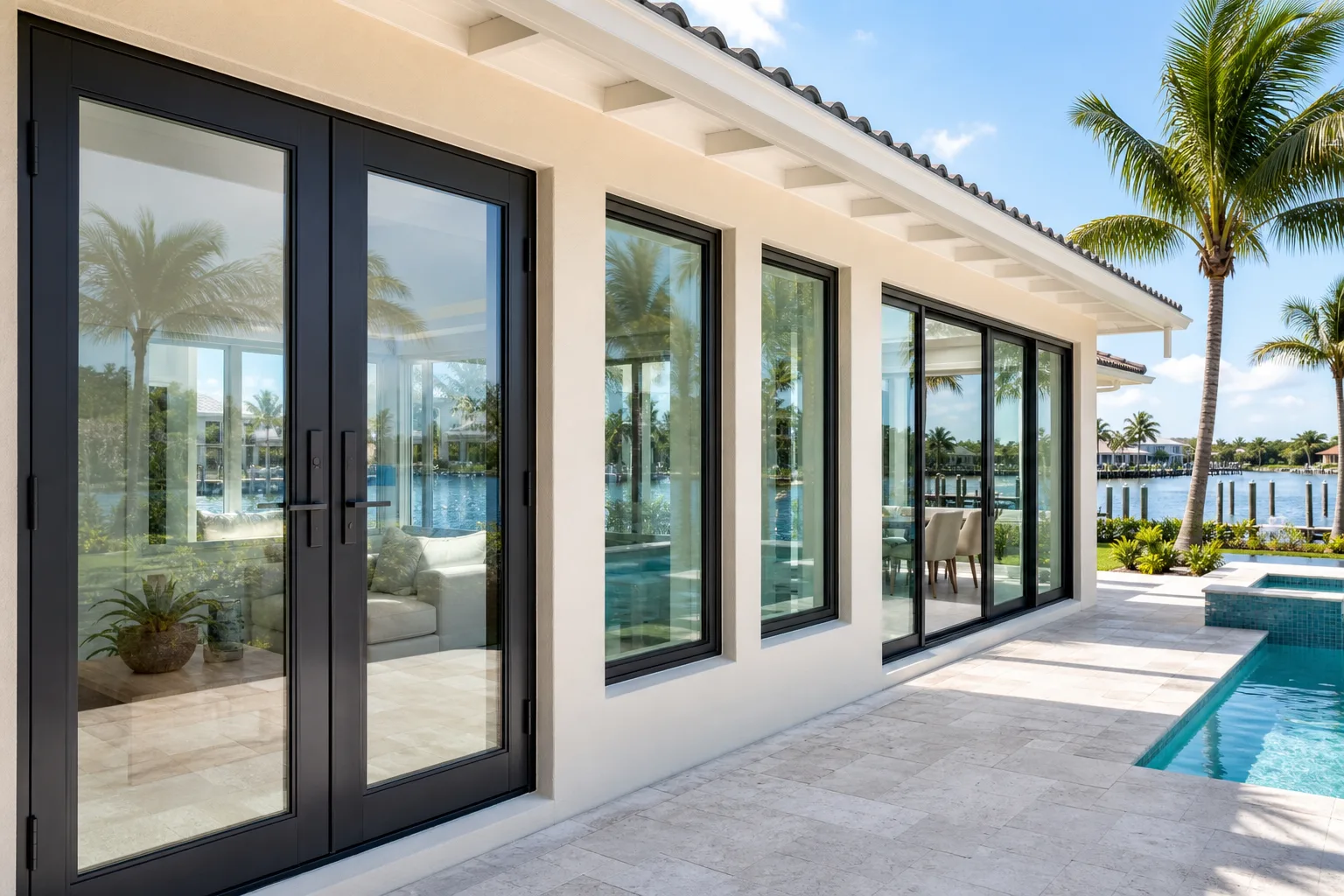
For Florida residents in Palm Beach County, Broward County, and Martin County, understanding hurricane history isn't just academic curiosity—it's essential knowledge for protecting your family and property with proper hurricane impact windows and doors.
The Evolution of Hurricane Naming: A Historical Journey Through Time
1. Hurricanes Weren't Always Named: The Early Anonymous Era
For centuries, catastrophic storms were identified solely by their impact location or date of occurrence. The devastating Great Galveston Hurricane of 1900, which remains America's deadliest natural disaster with over 8,000 fatalities, was known only by its tragic legacy.
This Category 4 monster completely obliterated Galveston, Texas, on September 8, 1900, with 15-foot storm surges and sustained winds exceeding 145 mph. The catastrophe led to revolutionary changes in:
- Building codes and construction standards requiring elevated structures
- Hurricane preparedness protocols and early warning systems
- Coastal engineering including the famous Galveston Seawall
- Storm tracking methodology by the U.S. Weather Bureau
The lack of standardized naming created dangerous confusion, especially when multiple storms threatened simultaneously. Meteorologists and the public desperately needed a better identification system.
2. The Sacred Tradition: When Saints Named Hurricanes
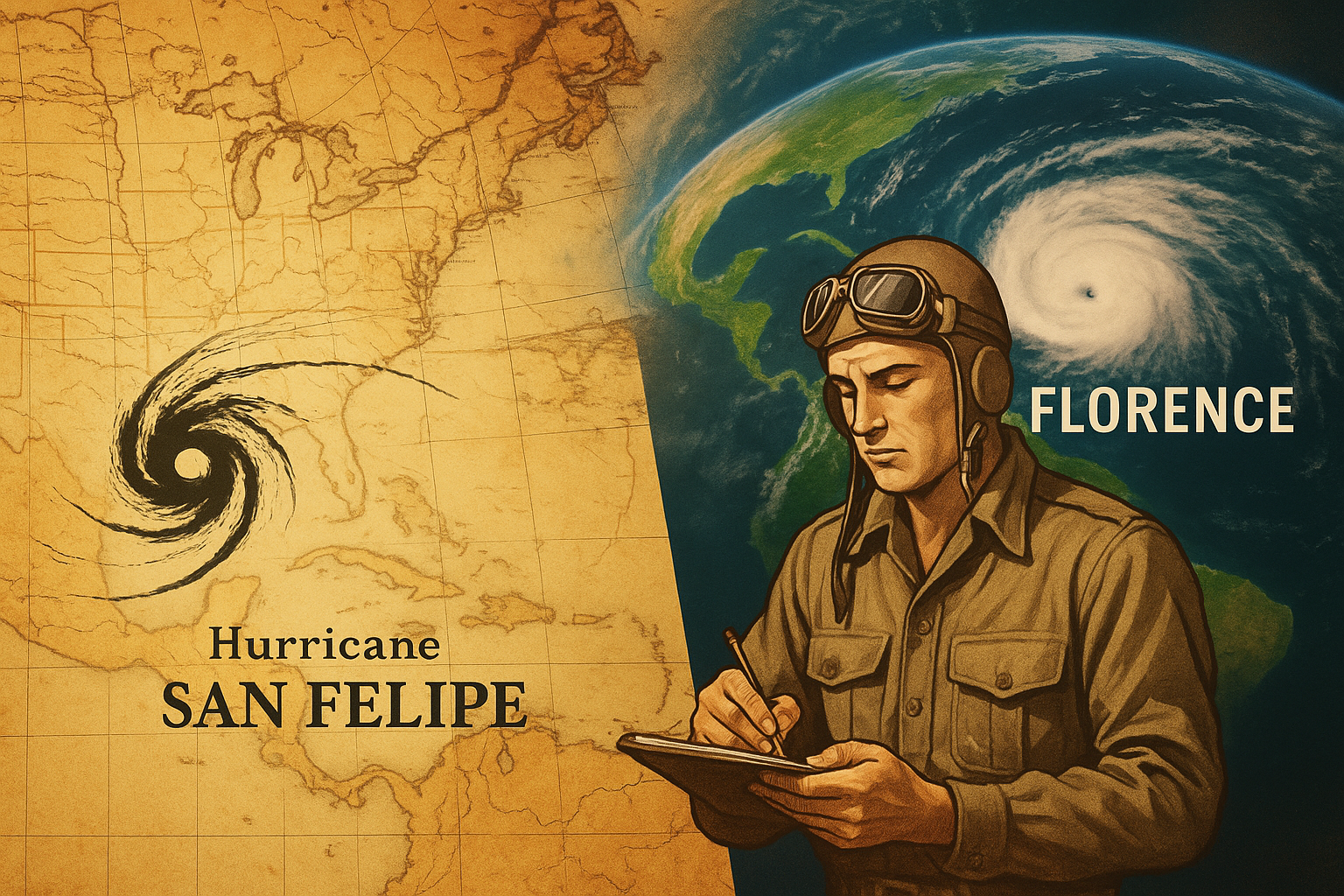
Throughout the Caribbean and Latin America, a deeply religious tradition emerged where hurricanes were named after Catholic saints celebrated on the storm's landfall date. Hurricane San Calixto, which devastated Puerto Rico on October 12, 1780—the feast day of Saint Calixtus—killed thousands and destroyed entire communities across the Lesser Antilles.
According to the National Hurricane Center, this practice reflected the spiritual interpretation of natural disasters and humanity's need to personalize these overwhelming forces of nature. Notable saint-named storms include:
- Hurricane San Felipe (1876): Destroyed Puerto Rico with catastrophic winds
- Hurricane Santa Ana (1825): Devastated Puerto Rico on Saint Anne's feast day
- Hurricane San Ciriaco (1899): One of the longest-lived Atlantic hurricanes, killing 3,000+ people
- Hurricane San Felipe II (1928): The second major storm on San Felipe's feast day
This tradition persisted well into the 20th century in Spanish-speaking regions, creating a rich historical record of Caribbean storm activity.
3. World War II: When Military Pilots Revolutionized Storm Naming
During World War II, U.S. Air Force meteorologists and pilots stationed in the Pacific began informally naming typhoons after their wives, girlfriends, and mothers when communicating storm positions and intensity. This grassroots practice, born from military necessity for clear communication, proved remarkably effective.
The phonetic alphabet (Able, Baker, Charlie, Dog, Easy) was briefly implemented from 1950-1952, but meteorologists discovered that personal names were significantly more memorable and less prone to communication errors—a critical factor when coordinating emergency responses and hurricane preparedness efforts across multiple military units.
The U.S. National Weather Service officially adopted exclusively female names for all Atlantic storms in 1953, marking the beginning of modern hurricane nomenclature.
4. Gender Equality Arrives: Men's Names Added in 1979
Following sustained criticism about gender bias and advocacy from women's rights organizations, the World Meteorological Organization began alternating male and female names in 1979 for Atlantic storms. This change reflected broader social progress and ensured more inclusive representation in hurricane nomenclature.
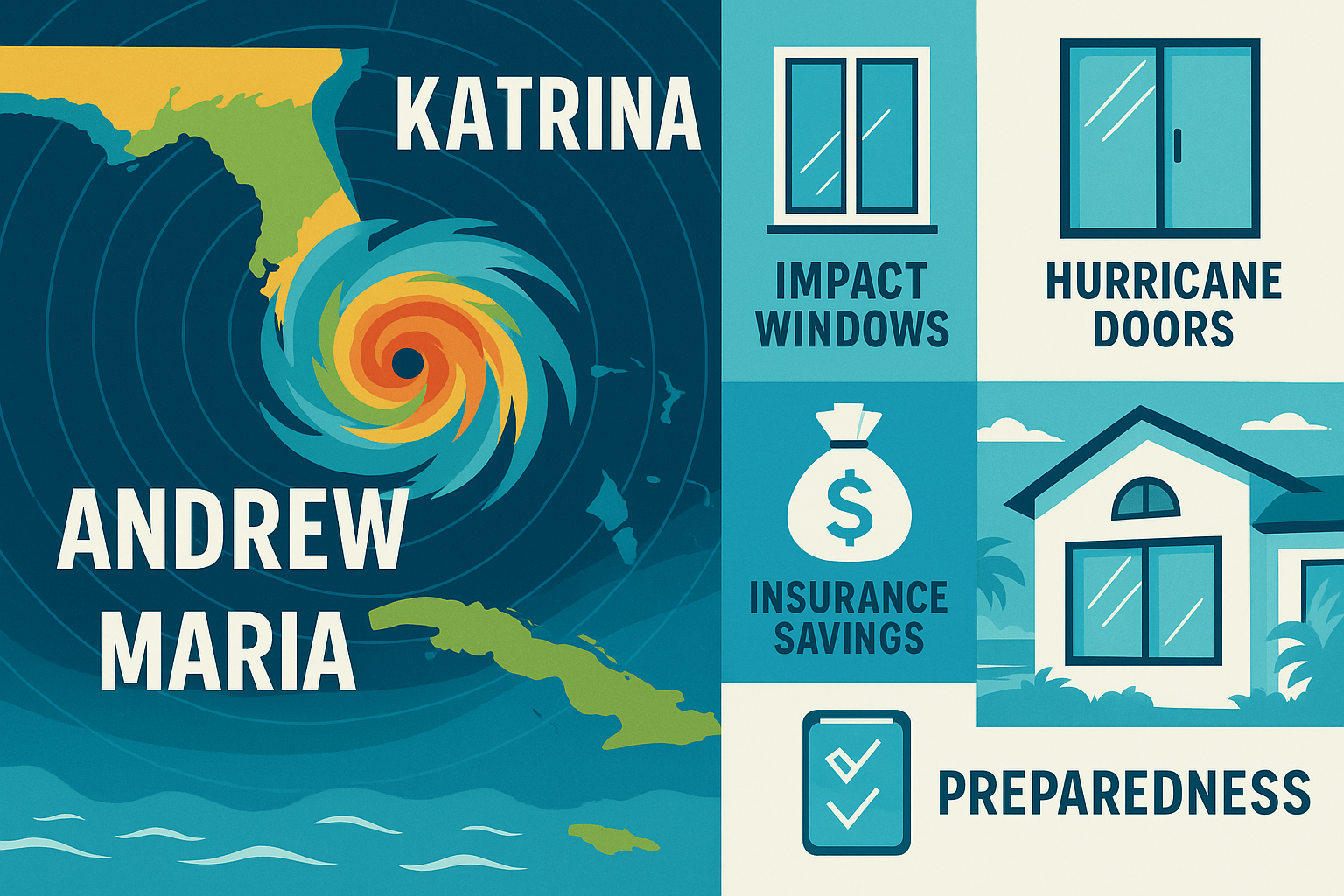
Today's lists feature devastating male-named storms like Hurricane Andrew (1992), which obliterated South Florida with sustained winds of 165 mph and caused $27.3 billion in damage, alongside female-named hurricanes like Katrina (2005), which forever changed New Orleans and Gulf Coast hurricane preparedness standards with $125 billion in losses.
Modern Hurricane Naming Systems and Global Practices
5. The Six-Year Rotation: How Hurricane Names Are Reused
The World Meteorological Organization (WMO) maintains six rotating lists of hurricane names for the Atlantic basin. Each year has its predetermined list, and the cycle repeats every six years—unless names become retired due to extraordinary devastation.
The 2025 Atlantic hurricane season uses List 1, which will repeat in 2031 (assuming no retirements). This systematic approach ensures:
- International communication consistency across 193 WMO member countries
- Historical pattern tracking for meteorologists and climate scientists
- Insurance industry standardization for claims processing and risk assessment
- Emergency management coordination across federal, state, and local agencies
6. Retired Names: Honoring Victims and Preserving History
When a hurricane causes exceptional devastation, death, or economic damage, its name is permanently retired out of respect for victims and to avoid confusion in historical records. The WMO's Hurricane Committee makes these solemn decisions during annual spring meetings, typically retiring 1-3 names per decade.
Notable permanently retired Atlantic hurricane names include:
- Katrina (2005): Killed 1,833 people, caused $125 billion damage, highlighted critical importance of impact windows and doors in coastal construction
- Andrew (1992): Flattened Miami-Dade County with 165 mph winds, led to revolutionary Florida building code changes mandating hurricane impact windows
- Maria (2017): Devastated Puerto Rico's electrical grid, caused longest blackout in U.S. history, 2,975 deaths
- Harvey (2017): Brought catastrophic flooding to Houston with over 60 inches of rainfall, $125 billion damage
- Michael (2018): Strongest Florida Panhandle landfall since 1851, 155 mph winds, $25 billion damage
- Irma (2017): Category 5 devastation across Caribbean and Florida Keys, $77 billion damage
- Ian (2022): Catastrophic Southwest Florida destruction, 155 mph winds, $112 billion damage
Since 1954, 96 Atlantic hurricane names have been permanently retired, creating a somber memorial to the storms that changed history.
7. Global Naming Variations: Different Oceans, Different Systems
While the Atlantic and Eastern Pacific share similar naming protocols, other ocean basins have developed unique identification systems reflecting regional culture and international cooperation:
- Western Pacific: Uses names contributed by 14 countries including Japan, China, Philippines, Thailand, creating storms like Typhoon Haiyan (called Yolanda in Philippines) and Typhoon Megi
- Indian Ocean: Names contributed by India, Bangladesh, Sri Lanka, Pakistan, Maldives, Myanmar, Oman, and Thailand
- Southwest Pacific and Australia: Maintained by Papua New Guinea, Fiji Meteorological Service, and Australian Bureau of Meteorology
This global approach reflects shared responsibility in storm monitoring and emergency preparedness, with each region adapting naming conventions to local languages and cultural preferences.
8. The Greek Alphabet Retirement: Learning from Confusion
When hurricane seasons exhausted the standard 21-name list, the Greek alphabet (Alpha, Beta, Gamma, etc.) was traditionally used as backup. This occurred during the hyperactive 2005 and 2020 seasons, producing storms like Hurricane Zeta and Tropical Storm Eta.
However, the National Hurricane Center discovered that Greek letters caused significant confusion in:
- International emergency communications across different language groups
- Translation difficulties in Spanish, French, and Portuguese broadcasts
- Retirement considerations when Greek-named storms caused major damage
- Public understanding and awareness during critical evacuation periods
In 2021, the WMO introduced a supplemental list of regular names instead, ensuring clearer emergency communications when lives hang in the balance during extreme hurricane seasons.
Understanding Hurricane Science and Global Impact
9. Hurricanes, Typhoons, and Cyclones: Same Phenomenon, Regional Names
These are all tropical cyclones—the same meteorological phenomenon with different regional designations:
- Hurricanes: Atlantic Ocean and Eastern Pacific Ocean (affecting Florida, Gulf Coast, Caribbean)
- Typhoons: Western Pacific Ocean (affecting Philippines, Japan, Taiwan, China)
- Cyclones: South Pacific and Indian Ocean (affecting Australia, India, Bangladesh)
All require the same level of preparation and impact-resistant protection, regardless of regional name. Florida residents face Atlantic hurricanes forming anywhere from the Caribbean to the coast of Africa, requiring comprehensive year-round preparedness.
10. The Great Hurricane of 1780: Pre-Naming Era Devastation
The deadliest Atlantic hurricane on record struck in October 1780, killing an estimated 20,000-22,000 people across Martinique, St. Eustatius, Barbados, and other Caribbean islands. Without modern forecasting, radar technology, or impact window protection, entire island populations were defenseless against this Category 5 monster.
This storm occurred during the American Revolutionary War, actually influencing military operations as British and French naval forces were devastated. The catastrophic loss of life highlighted the desperate need for:
- Storm tracking and early warning systems
- Coastal protection and evacuation protocols
- Structural resilience in buildings
- Hurricane-resistant construction methods
These principles directly drive modern hurricane impact window technology and Florida's stringent building codes.
11. Hurricane Speed vs. Wind Speed: A Critical Distinction
Many people don't realize that a hurricane's forward movement speed (typically 10-35 mph) differs dramatically from its destructive wind speeds, which can exceed 185 mph in Category 5 storms. Paradoxically, slower-moving hurricanes often cause more devastating damage by:
- Prolonging destructive wind exposure over single areas for 12-24+ hours
- Increasing rainfall totals leading to catastrophic flooding (Hurricane Harvey: 60+ inches)
- Extending storm surge duration causing deeper coastal inundation
- Maximizing structural fatigue through continuous wind pressure
This is why proper impact windows and hurricane doors must be rated for sustained winds, not just brief gusts. Palm Beach County and Broward County residents have learned this lesson through repeated hurricane exposure.
12. Hurricane-Spawned Tornadoes: Double the Danger
Most hurricanes produce multiple embedded tornadoes, particularly in their right-front quadrant where wind shear is strongest. These tornadoes cause additional localized damage beyond the hurricane's primary impacts:
- Hurricane Ivan (2004): Spawned record 117 tornadoes across southeastern United States
- Hurricane Beulah (1967): Generated 115 tornadoes in Texas
- Hurricane Rita (2005): Produced 90 tornadoes across multiple states
- Hurricane Katrina (2005): Spawned 62 tornadoes from Louisiana to Pennsylvania
For South Florida homeowners, this means investing in complete impact window and door systems capable of withstanding both sustained hurricane winds and the sudden extreme forces of embedded tornadoes.
Protecting Your Florida Home: Lessons from Hurricane History
The Evolution of Hurricane Protection Technology
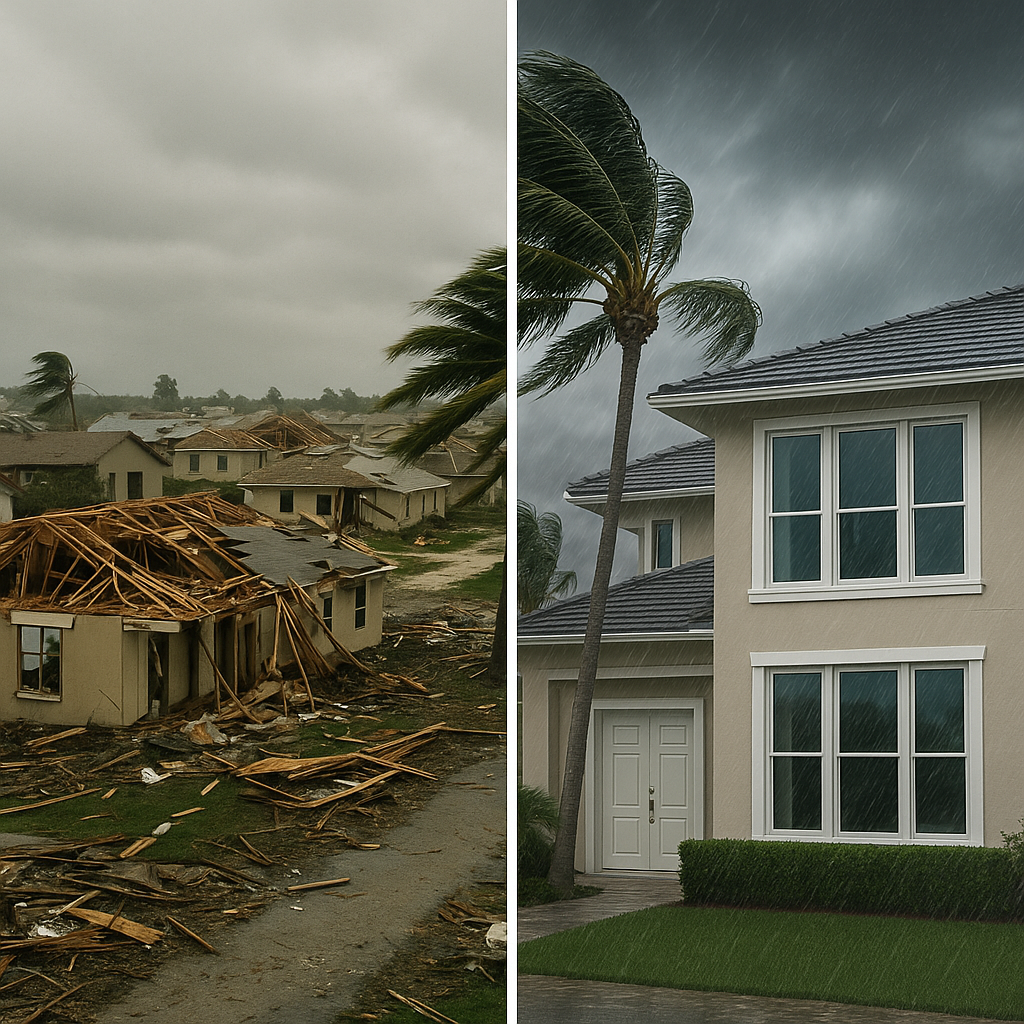
Each major hurricane has taught invaluable lessons about home protection and building resilience. After Hurricane Andrew devastated Miami-Dade County in 1992 with catastrophic winds and $27.3 billion in damage, Florida revolutionized its building codes, mandating impact-resistant windows and doors in hurricane-prone areas.
Today's hurricane impact windows can withstand winds exceeding 200 mph and protect against flying debris—the primary cause of window failure during storms. For residents of Boca Raton, West Palm Beach, and Fort Lauderdale, these protections aren't luxury upgrades—they're essential investments in family safety and property preservation.
Modern Hurricane Preparedness: Beyond Just Names
Understanding hurricane names and history enhances preparedness effectiveness:
- Early Action: When the National Hurricane Center issues watches/warnings using official storm names, take immediate protective action
- Insurance Savings: Impact windows qualify for 15-45% insurance premium discounts in Florida, saving $450-$1,350+ annually
- Property Value Enhancement: Homes with hurricane protection typically command 15-20% higher resale values
- Energy Efficiency: Modern impact windows provide superior insulation, reducing cooling costs by 25-40%
- Year-Round Security: Impact-resistant glass deters break-ins and provides 24/7 home security
Frequently Asked Questions About Hurricane Names and History
How did hurricanes get their names originally?
Hurricanes were originally named after Catholic saints on whose feast day the storm made landfall, a tradition that began in the Caribbean and Latin America. During World War II, military meteorologists began naming storms after women, which became official U.S. policy in 1953. Men's names were added in 1979 to ensure gender equality in hurricane nomenclature.
What happens when a hurricane name is retired?
When a hurricane causes exceptional death, damage, or devastation, the World Meteorological Organization permanently retires its name out of respect for victims. The retired name is replaced with a new name beginning with the same letter. Since 1954, 96 Atlantic hurricane names have been retired, including Andrew, Katrina, Maria, Michael, and Ian.
How many years before a hurricane name is used again?
Hurricane names rotate on a six-year cycle. For example, the names used in 2025 will be used again in 2031, unless any are retired due to storm severity. This systematic rotation helps meteorologists track historical patterns and ensures consistent international communication.
Why did they stop using Greek letters for hurricanes?
The Greek alphabet backup system was retired in 2021 after causing significant confusion in international communications, translation difficulties, and retirement complications during the hyperactive 2005 and 2020 seasons. The WMO now uses a supplemental list of regular names when the primary 21-name list is exhausted.
What was the deadliest hurricane in history?
The Great Hurricane of 1780 remains the deadliest Atlantic hurricane, killing an estimated 20,000-22,000 people across the Caribbean in October 1780. In modern U.S. history, the 1900 Galveston Hurricane killed over 8,000 people, making it America's deadliest natural disaster.
How can I protect my Florida home from hurricanes?
The most effective hurricane protection is installing Miami-Dade certified impact-resistant windows and doors that can withstand Category 5 winds exceeding 200 mph. Impact windows also qualify for substantial insurance discounts (15-45%), increase property values, improve energy efficiency, and provide year-round security against break-ins.
Do all countries use the same hurricane naming system?
No, different ocean basins use different naming systems. The Atlantic and Eastern Pacific use similar protocols with names contributed by the U.S., Caribbean, and Central American countries. The Western Pacific uses names from 14 Asian countries, while the Indian Ocean uses names from eight surrounding nations, reflecting regional cultural diversity.
What's the difference between a hurricane, typhoon, and cyclone?
These are all the same meteorological phenomenon—tropical cyclones—with different regional names. Hurricanes occur in the Atlantic and Eastern Pacific, typhoons in the Western Pacific, and cyclones in the South Pacific and Indian Ocean. All require identical preparation and structural protection regardless of their regional designation.
Conclusion: Respecting Named Storms and Protecting Your Future
From ancient saint's names to modern meteorological precision, hurricane naming reflects humanity's evolving relationship with these awesome natural forces. Each name carries the weight of history, scientific advancement, and human resilience in the face of nature's most powerful storms.
For Florida residents across Palm Beach County, Broward County, and Martin County, understanding this rich history reinforces the critical importance of proper preparation. Whether it's Hurricane Andrew's legacy of improved building codes or Hurricane Katrina's lessons about comprehensive protection, named storms have fundamentally shaped how we build and protect our homes.
The next time you hear a hurricane name on the weather forecast, remember the centuries of history behind that simple designation—and ensure your home is protected with professional-grade impact windows and doors designed to withstand whatever named storm nature sends our way.
Professional Hurricane Protection for South Florida Homes
Don't wait for the next named storm to threaten South Florida. Contact Window Guys of Florida today for a free consultation on impact windows and hurricane doors that provide maximum protection for your family and property.
Our licensed professionals serve Palm Beach County, Broward County, Martin County, and Miami-Dade County with 25+ years of hurricane protection expertise.
Call (561) 598-6295 for your free hurricane protection assessment and insurance savings analysis.