
By Window Guys of Florida
How Can I Tell If I Have Hurricane Windows?
Just Moved Into Your New Home But Can't Tell If Your Have Hurricane Windows Installed? Check These Common Tips To Find Out Yourself!
If you’ve recently moved into a new home, you may be wondering whether or not its come installed with impact windows already. This is a major upgrade for any home in South Florida, so it’s only natural to wonder whether or not your new home comes with them already installed, or if you’re going to need them added yourself. That said, it may seem impossible trying to determine whether or not you have impact windows installed, as they look the exact same as typical single pane windows. Impact windows are made from a specially laminated piece of glass that has been made to withstand hurricane force winds upwards of 150 miles per hour, however fundamentally it appears identically to normal glass windows if you don’t know what to look for. Some of the telltale signs to be on the lookout for to tell whether you have hurricane windows or not include:
Need Hurricane Impact Windows?
Request a consultation and estimate for your South Florida project.
You May Also Like
View All Posts
September 25, 2026
Laminated Glass vs Tempered Glass: Which Belongs in a Hurricane Window
Laminated glass is the correct choice for a hurricane window. Tempered glass alone does not meet Florida's large-missile impact requirements. This article explains why the two glass types behave differently under storm conditions and how each is used in a code-compliant assembly.
Read More
September 23, 2026
Hurricane Impact Windows vs. Tempered Glass: How They Perform Differently
Tempered glass and impact-rated glass look similar but perform very differently in a hurricane. One shatters safely on impact; the other is engineered to hold its opening after a strike. Understanding the difference matters for code compliance and real storm protection in South Florida.
Read More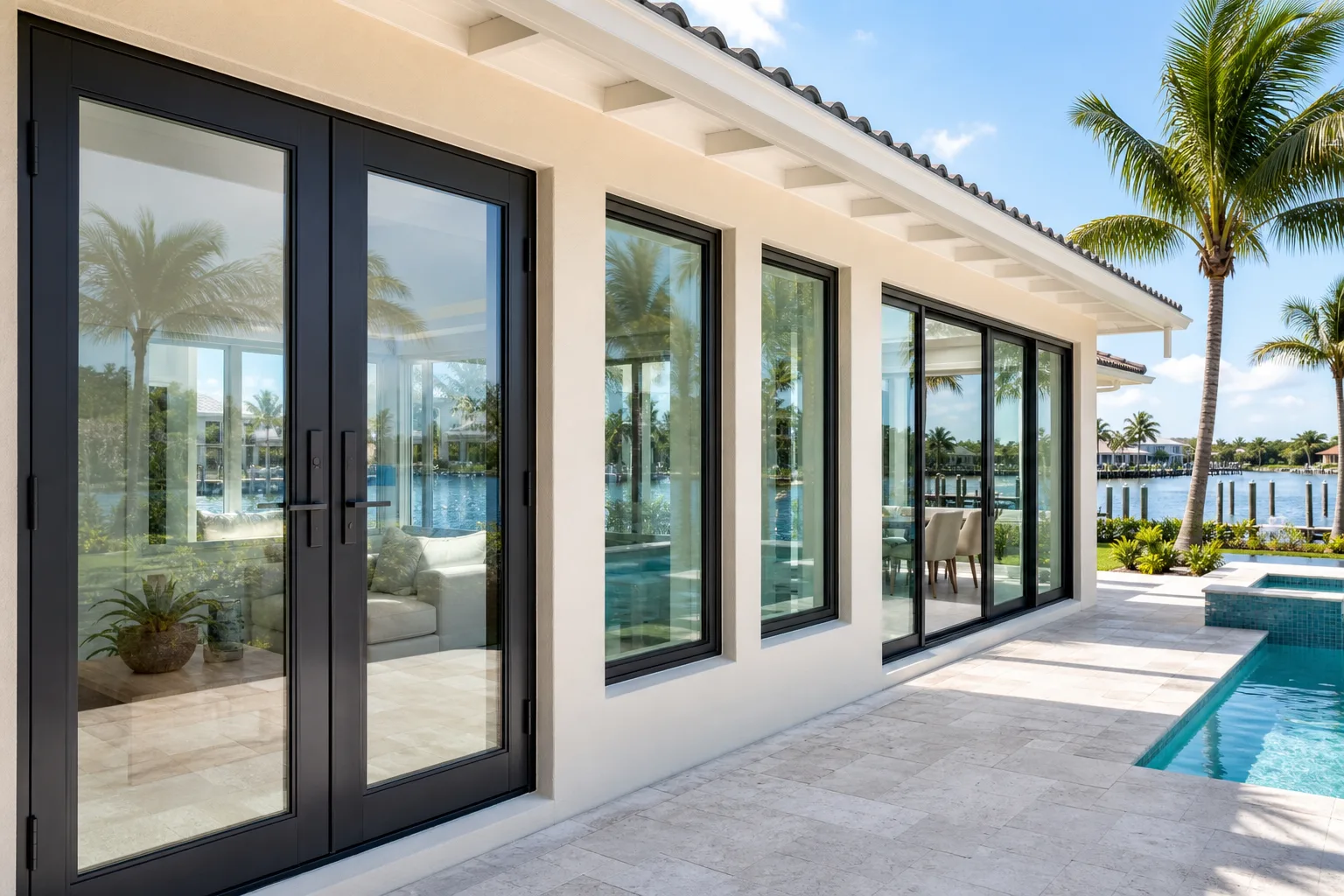
August 21, 2026
How to Find Trusted Hurricane Windows Near Me
A practical guide to vetting hurricane window installers in South Florida, covering license verification, product approval checks, permit requirements, and how to compare quotes without getting misled by sales pressure.
Read MoreAugust 18, 2026
5 Reasons a Hurricane Door May Fail Inspection
A failed inspection on a new hurricane door usually traces back to paperwork or installation details, not the door itself. Here are five common culprits and how to avoid them before the inspector arrives.
Read More