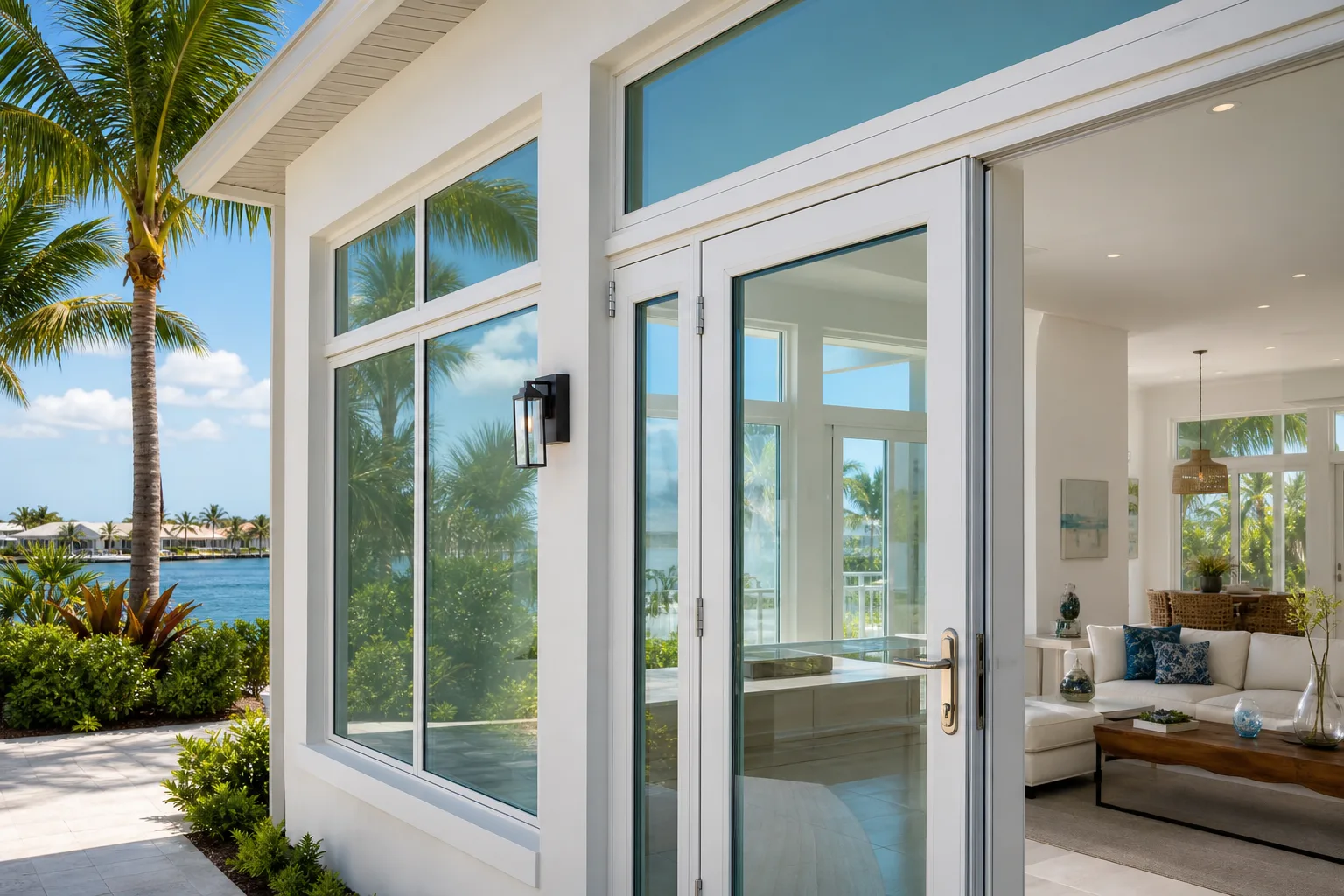
TL;DR: Pocket replacement installs a new window inside an existing frame that is still structurally sound. Full-frame removal takes everything out to the rough opening. Both methods can accommodate impact-rated products, but they differ in scope, finish work, product approval requirements, and when each is the right call. Frame condition, not installer preference, should drive the decision.
At a Glance
| Factor | Pocket Replacement | Full-Frame Removal |
|---|---|---|
| Existing frame | Must be sound, no rot or corrosion | Removed entirely |
| Rough opening exposed | No | Yes |
| Interior trim disturbed | Minimal to none | Typically replaced |
| Exterior stucco | Usually intact | May need patching or re-running |
| Glass area | Slightly reduced (frame overlap) | Full rough-opening dimension possible |
| Product approval path | Insert or full-frame NOA both available | Full-frame NOA required |
| Scope of inspection | Window and sealant | Rough opening, flashing, sill, and window |
| Best fit | Sound frames, tight timelines, cost control | Deteriorated frames, full renovation, maximum opening |
What Pocket Replacement Actually Means
A pocket replacement, sometimes called an insert or retrofit installation, leaves the original frame in place. The new window unit sits inside the existing frame and is fastened through it into the surrounding structure. The exterior stucco line is not broken, and interior casing trim usually stays undisturbed.
The trade-off is visible glass area. Because the new frame must overlap the old one on all four sides, the daylight opening shrinks slightly. On a standard double-hung or casement, the reduction is often modest, but on smaller openings or windows with thick existing frames, the difference is more noticeable.
Pocket installations are not a shortcut around permitting. Florida still requires a permit, a Florida Product Approval (NOA) valid for the insert configuration, and inspections. The product approval number on your window must match the installation method listed on the approval document.
What Full-Frame Removal Actually Means
Full-frame removal strips everything out: the existing frame, stops, and any embedded sill material. The rough opening is exposed, inspected, and prepared before the new unit goes in.
This method is required whenever the existing frame shows rot, corrosion, or structural compromise. It is also the standard path in renovation projects where interior trim is already being replaced or where the homeowner wants the maximum possible glass area.
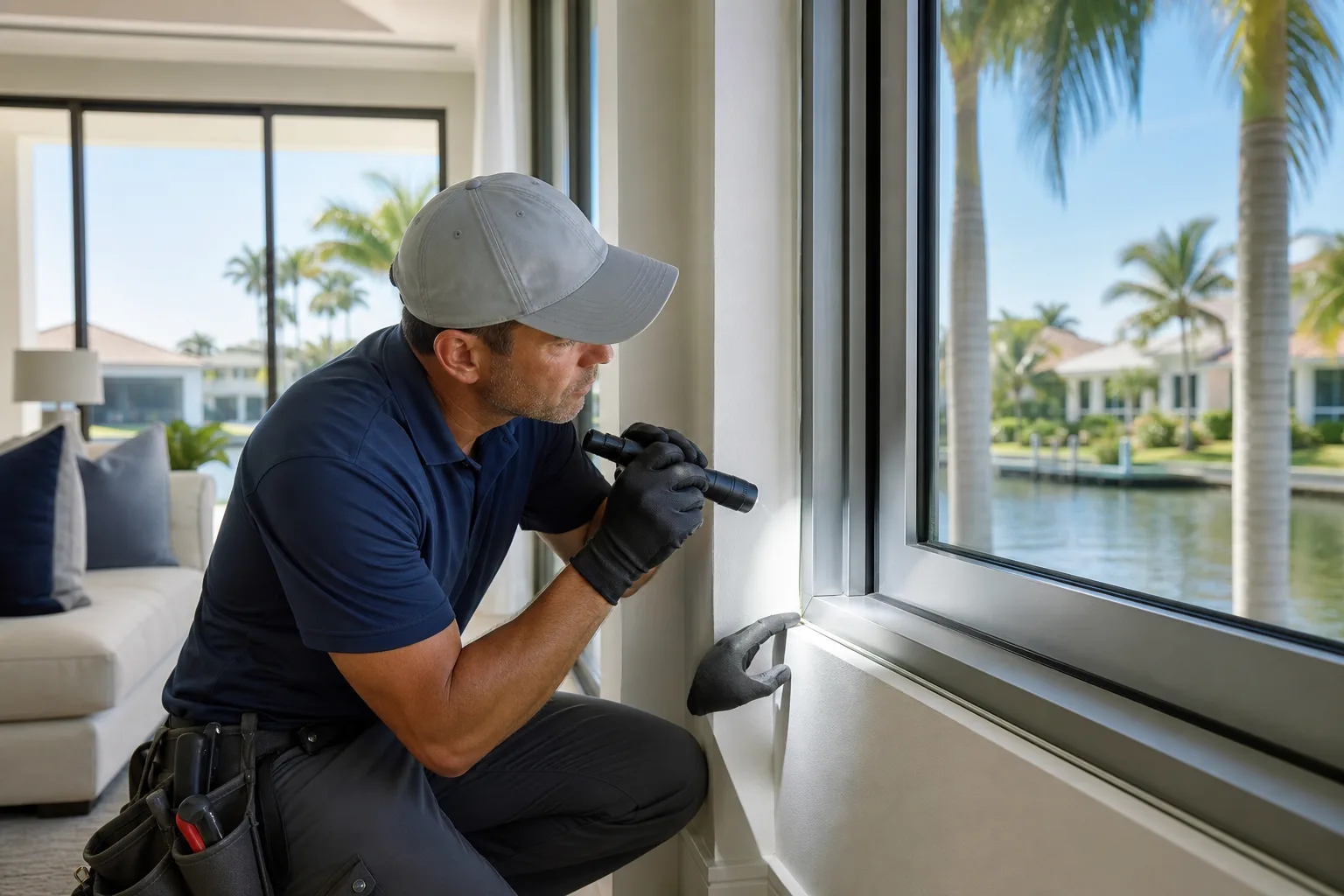
Because the rough opening is exposed, inspectors can verify the sill condition, flashing integration, and buck framing before the new window is set. This adds an inspection step but also gives the contractor the opportunity to correct any substrate problems that a pocket installation would have buried.
Finish work expands significantly. Exterior stucco must be patched or re-run to the new frame, and interior casing and drywall returns typically need repair or replacement. Budget for that scope before comparing method costs on the window unit alone.
Compare impact-window options for your project. Request a free estimate
What Stays the Same Regardless of Method
Several factors do not change based on installation method.
Impact rating. Both pocket and full-frame installations can use impact-rated products approved under Miami-Dade or Florida Building Code notice of acceptance. The method affects which approval document applies, not whether the window can be impact-rated.
Permitting requirement. Florida requires a permit for both methods. The permit application must include the product approval, installation drawings, and, in many jurisdictions, signed and sealed engineering if the opening or product requires it. See 8 tips to ensure a flawless impact window installation for documentation details.
Wind load compliance. The installed window must meet the design pressure requirements for the specific opening location on the structure, regardless of installation method. That calculation depends on building geometry, exposure category, and opening location, not on whether the old frame stayed in.
Insurance and wind mitigation credit. A properly permitted and inspected impact window installation may support a wind mitigation report regardless of method. The report documents the opening protection, not how the frame was handled. Project-specific review is required; consult your insurer and inspector.
How to Decide: A Diagnostic Sequence
Work through these questions in order before choosing a method.
Inspect the existing frame. Look for soft spots, corrosion at corners, broken welds on aluminum frames, or visible rot on wood bucks. If any are present, full-frame removal is the correct path. There is no code-compliant way to pocket-install over a deteriorated frame.
Check the rough opening dimensions you need. If the project requires a larger glass area than the existing frame permits, full-frame removal is required.
Confirm product approval coverage. Your chosen product must have an NOA or Florida Product Approval that explicitly covers the installation method you plan to use. Not all products are approved for both insert and full-frame configurations. Verify this before ordering.
Evaluate finish work budget. If stucco, interior trim, and drywall repair are already in the project scope, full-frame removal adds less incremental cost. If the goal is to replace windows with minimal finish disruption, a sound existing frame makes pocket replacement the more efficient choice.
Confirm jurisdiction-specific requirements. Some South Florida municipalities and HOAs have requirements about exterior appearance changes. A full-frame removal that shifts the frame line may trigger additional review. Confirm with your licensed contractor and the AHJ before committing.
Common Misunderstandings
Pocket replacement is not always cheaper when total scope is considered. If the existing frame is marginal and the contractor discovers problems after installation, corrective work is expensive. A thorough pre-installation inspection of the frame and rough opening helps avoid that outcome. See what a rough opening inspection reveals.
Full-frame removal is not inherently better for performance. A properly detailed pocket installation with correct sealant, fastening pattern, and approved product can meet the same wind load requirements as a full-frame installation. Method selection is about matching the approach to the existing conditions, not chasing a performance hierarchy.
The word "retrofit" does not mean unpermitted. In window industry terminology, retrofit and pocket replacement are synonyms for the insert method. Both still require permits, inspections, and code-compliant products in Florida.
Verdict
Pocket replacement is the efficient choice when the existing frame is structurally sound, the glass area reduction is acceptable, and the product approval covers insert installation. Full-frame removal is the correct choice when the frame is deteriorated, the opening size must change, or the project already involves interior and exterior finish work.
Neither method is universally superior. The decision should follow a documented inspection of the existing frame and confirmation that the selected product has the correct approval for the chosen method.
If you are planning a window replacement in Palm Beach, Broward, Miami-Dade, Martin, or St. Lucie County and want to confirm which method fits your existing conditions, request an estimate or visit the window replacement service page to start the conversation. Product, approval, engineering, permitting, and installation details depend on your specific project scope and must be confirmed in writing before work begins.
Compare impact-window options for your project.
Request a written estimate that identifies the quoted assembly, opening, design pressure, product approval, exposure, installation scope, and applicable project requirements.
Frequently asked questions
Can a pocket replacement qualify for Miami-Dade product approval?
Yes. Many window products carry Miami-Dade Notices of Acceptance that cover insert or retrofit configurations specifically. The approval document will list the approved installation methods. You must verify that your selected product's NOA covers insert installation before ordering and permitting.
Does full-frame removal void any manufacturer warranty on adjacent stucco or interior finishes?
Window manufacturer warranties typically cover the window unit itself, not adjacent construction materials. Damage to stucco or interior finishes caused by full-frame removal and subsequent patching is a finish-work scope item, not a window warranty issue. Clarify warranty terms with your contractor before work begins.
Is a structural engineer required for either method in Florida?
Engineering requirements depend on the product approval, the jurisdiction, and the specific opening conditions, not solely on the installation method. Some product approvals require signed and sealed installation drawings; others do not. Your licensed contractor and the local building department can confirm what your project requires.
Will switching from full-frame to pocket replacement mid-project cause permitting problems?
Yes, potentially. The permit application is tied to the product approval and installation method declared at submission. Changing methods after permit issuance typically requires a revision to the permit documents and may delay inspections. Any method change should be reviewed with the contractor and AHJ before proceeding.