
TL;DR: Citizens Property Insurance Corporation requires documented opening protection on windows, doors, and skylights for most residential policies in South Florida. Meeting those requirements often means installing impact-rated products or compliant shutters, and the documentation you gather along the way can also support wind mitigation discounts on your premium.
What you need
Before you start making calls or ordering products, gather these items:
- Your current Citizens policy declarations page
- Any wind mitigation inspection report you already have (OIR-B1-1802 form)
- The product approval numbers for any windows, doors, or shutters already installed
- A copy of your home's permit history from your county building department
- Contact information for a Florida-licensed contractor who can pull permits if new work is needed
If you do not have a wind mitigation inspection report, that is usually the first thing to schedule. A licensed inspector examines your roof covering, roof deck attachment, roof-to-wall connections, and opening protection, then rates each category. Citizens uses this form, not your word or your contractor's word, to assign credits and confirm compliance.
Step 1: Understand what Citizens considers "opening protection"
Citizens evaluates opening protection under the same framework used on the OIR-B1-1802 wind mitigation form. The inspector assigns one of several ratings based on what covers every glazed opening in the home, including windows, entry doors, sliding glass doors, French doors, garage doors, and skylights.
The ratings move from no protection, to basic shutters, to code-plus products like panel systems, to the highest rating reserved for impact-resistant glazing or impact-rated doors with approved frames. Reaching the top rating generally requires that every opening in the structure, including the garage door, meets the standard. A single non-compliant opening typically drops the whole-house rating.
Citizens publishes its underwriting requirements through its website and updates them periodically. Always pull the current version directly from Citizens Property Insurance rather than relying on summaries, because requirements for new policies, renewal policies, and high-value homes can differ.
Step 2: Get a wind mitigation inspection before you spend anything
A wind mitigation inspection is a relatively modest upfront cost and produces a form that both confirms your current status and shows you exactly which openings, if any, are holding your rating back.
Do not skip this step and go straight to a contractor estimate. Without the inspection, you may upgrade windows in rooms that are already compliant and still miss the garage door or a small bathroom window. The inspector photographs each opening and records the product approval number when one is visible, so you get a clear picture of the entire envelope.
If your home was built under more recent editions of the Florida Building Code, you may already have some level of compliance, but the degree of protection and how it is documented still matters for your premium. Older homes often have aluminum single-pane windows with no storm protection at all.
Once you have the report, review it with your insurance agent before scheduling any work. Your agent can tell you which rating tier unlocks a meaningful discount and whether upgrading from one tier to the next is financially worth the investment given your specific premium.
Step 3: Choose the right type of opening protection for your situation
There are three main categories, and they are not interchangeable in how Citizens treats them.
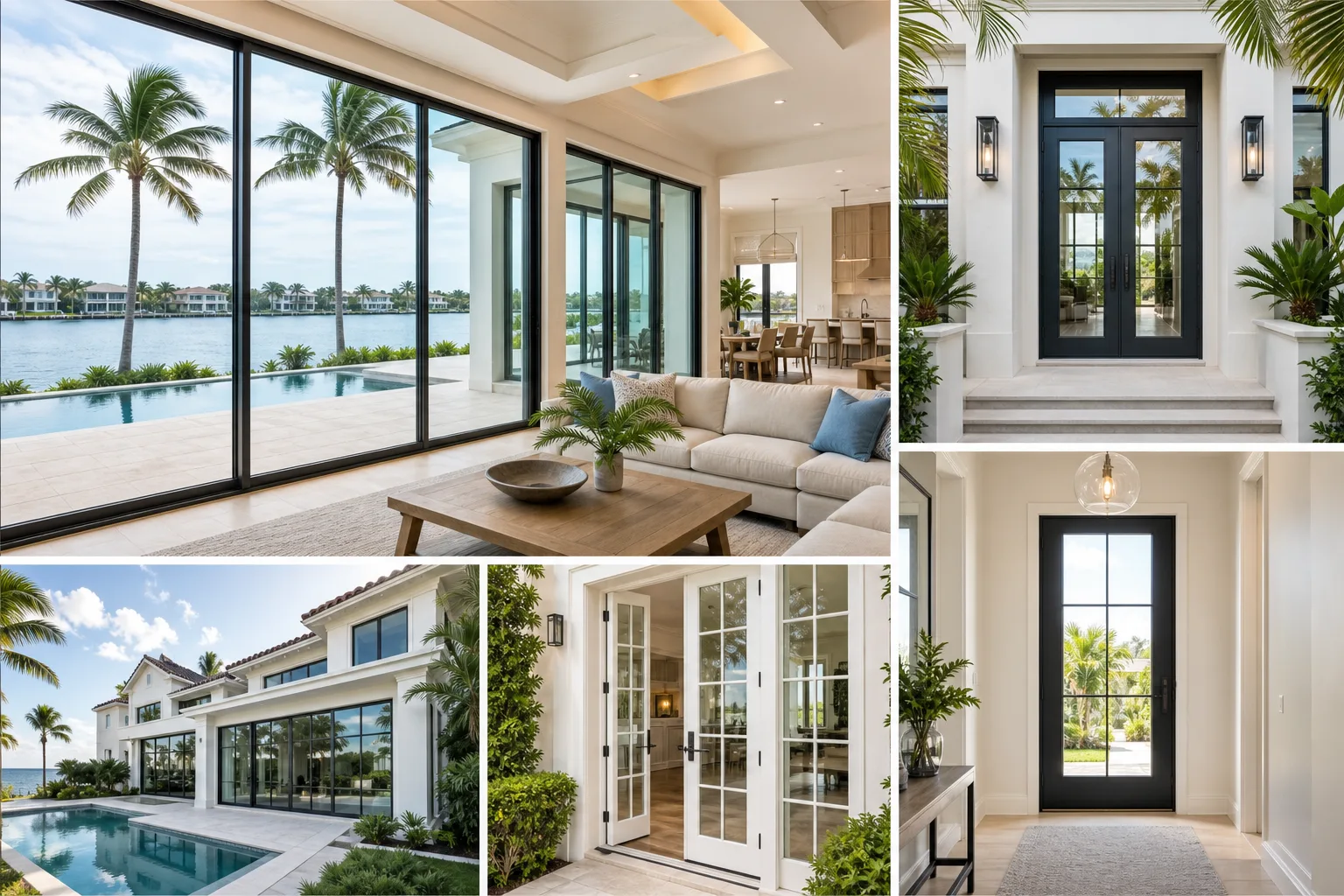
Impact-resistant glazing. This means hurricane impact windows and hurricane impact doors with laminated glass or an approved glazing system installed in approved frames, with a valid Florida Product Approval number. The product approval links the product to testing that demonstrates it can resist wind pressure and debris impact per the Florida Building Code. This option requires no deployment before a storm and is permanently in place.
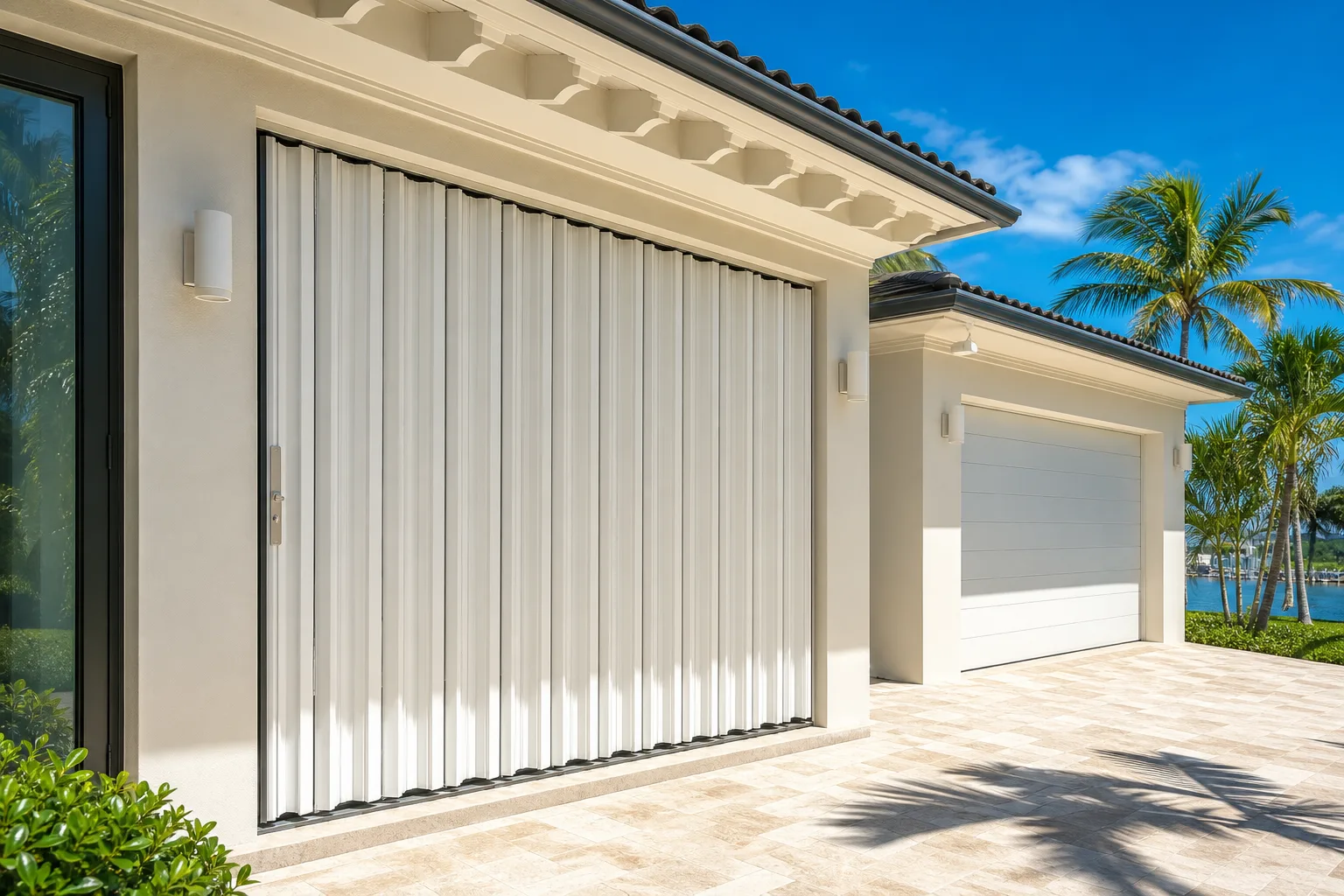
Panel systems and accordion shutters. These are rated storm panels, roll-down shutters, or accordion shutters that cover windows and doors. They must also carry a Florida Product Approval number, must be installed by a licensed contractor with permits pulled and inspections passed, and must be capable of covering every opening. A homeowner who installs panels without permits will not get credit on the mitigation form because there is no inspection record.
No protection or mixed coverage. If even one opening lacks compliant protection, the whole-house rating does not reach the top tier. Mixed homes, meaning some impact windows and some unprotected openings, still receive partial credit in some cases, but the premium benefit is smaller.
For most South Florida homeowners doing a full upgrade, window replacement with impact-rated products is the more permanent solution and eliminates the annual task of putting shutters up before each storm. If budget is the constraint, a hybrid approach, impact windows on the main living areas and shutters on the garage or less accessible openings, can still improve the mitigation rating. Discuss the specific rating implications with your inspector and agent before committing.
Ask your insurer about wind-mitigation documentation. Request a free estimate
Step 4: Hire a licensed contractor and pull permits
This is where a lot of homeowners lose their documentation. A product can have a valid Florida Product Approval, but if it is installed without a permit and a final inspection, the work is not on record. The wind mitigation inspector cannot credit an installation that has no permit history.
Verify that any contractor you hire holds a current Florida license and is authorized to pull permits in your county. You can search license status through the Florida Department of Business and Professional Regulation. Ask for the contractor's license number and look it up yourself. A licensed contractor will also carry the liability insurance and workers' compensation coverage that protect you during the job.
If you want to learn more about what separates a reliable installation process from a risky one, the guide on 8 tips to ensure a flawless impact window installation covers the project variables worth watching.
Once the job is done, keep your permit card, the final inspection sign-off, the product approval documentation, and any manufacturer warranty paperwork in a folder. These documents support your next wind mitigation inspection and any future insurance or resale questions.
Step 5: Schedule a follow-up wind mitigation inspection
After permitted work is completed and the county closes out the permit, schedule a new wind mitigation inspection. The updated OIR-B1-1802 form goes to your insurance agent, who submits it to Citizens for a premium recalculation.
The timing matters. Citizens applies credits at renewal in most cases, so submitting the updated form close to your renewal date avoids waiting a full policy year for the discount to take effect. Ask your agent about the exact process for mid-term submissions.
Save a copy of the new report. If Citizens conducts an inspection of its own, the report in your file helps resolve any discrepancies quickly.
Common mistakes
Assuming the previous owner's shutters count. Accordion shutters or panels installed by a prior owner only count if the permit and inspection records exist and the products are still in the county system. If those records are missing, you may need to document the installation again or replace the products.
Upgrading windows but forgetting the garage door. The garage door is the largest opening in most homes and is often the last one upgraded. Leaving it unaddressed can keep your whole-house rating one tier below where you want it.
Using window film as a substitute. Window film is not recognized as opening protection under the Citizens framework or the OIR-B1-1802 form. It has legitimate uses for solar control and UV reduction, but it is a separate product category that does not satisfy the impact or panel requirements.
Skipping the permit to save time. Unpermitted work creates a documentation gap that you will face every time the home changes insurance carriers, gets reinspected, or is listed for sale. The short-term convenience creates a long-term problem.
Not verifying product approval numbers. A contractor who supplies a window without a current Florida Product Approval, or installs an approved product in a way that voids the approval, puts your inspection result at risk. Ask for the product approval number before signing a contract and verify it at the Florida Building Commission product approval search.
If you are weighing the full cost-benefit picture, the article on whether impact windows are worth the investment in Florida breaks down the considerations without overpromising.
Bottom line
Citizens opening protection requirements are document-driven. The path from no credit to maximum credit runs through a licensed inspector, a licensed contractor, pulled permits, final inspections, and a current Florida Product Approval on every product installed. There are no shortcuts that hold up over time.
Start with the wind mitigation inspection, talk to your agent before you spend money on upgrades, and make sure every piece of work is permitted and inspected. If you are ready to talk through what an upgrade would look like for your specific home, you can request an estimate or contact us directly to go over the options.
Ask your insurer about wind-mitigation documentation.
Qualifying impact-rated installations may support wind-mitigation credits. Eligibility and premium changes vary by insurer, policy, property, inspection, documentation, and opening protection.
Frequently asked questions
What counts as opening protection under Citizens Property Insurance?
Citizens uses the OIR-B1-1802 wind mitigation form to evaluate opening protection. Qualifying options include impact-resistant glazing with a valid Florida Product Approval, permitted panel systems, and accordion or roll-down shutters, all installed with permits and final inspections. Every opening in the home, including the garage door, must be covered to reach the highest rating tier.
Does window film satisfy Citizens opening protection requirements?
No. Window film is not recognized as opening protection under the Citizens underwriting framework or the OIR-B1-1802 wind mitigation form. It may reduce solar heat gain and UV exposure, but it does not qualify as a substitute for impact glazing or a panel system when Citizens evaluates your policy.
Can I mix impact windows and shutters and still get a discount?
Yes, a mixed approach can still improve your wind mitigation rating and reduce your premium compared to having no protection. However, the exact credit depends on how the inspector rates the combination of products across all openings. Talk to your insurance agent and inspector before choosing a hybrid strategy so you know which tier your specific combination reaches.
Do I need a new wind mitigation inspection after installing impact windows?
Yes. After the permitted installation is complete and the county closes out the permit, a new wind mitigation inspection produces an updated OIR-B1-1802 form that reflects the upgrade. You submit this updated form to your Citizens agent, who uses it to recalculate your premium, typically at the next renewal.
What happens if I have unpermitted shutters or windows already installed?
Unpermitted installations generally cannot be credited on a wind mitigation form because there is no inspection record to verify the work meets code. In most cases you will need to either document the installation through a retroactive permit process, which varies by county, or replace the products under a new permitted installation to establish a clean record.
How long does the Citizens opening protection upgrade process take from start to finish?
The timeline varies significantly by county permitting speed, contractor scheduling, and project scope. As an illustrative example only, some straightforward window replacement projects have moved from permit application to final inspection in a matter of weeks, while more complex jobs or busy permit offices can take considerably longer. Submit your updated wind mitigation form to your agent as soon as the inspection is complete to minimize the time before your premium changes.