How Different Types of Glass Hurt or Help Your Home in South Florida's Climate
The glass in your windows does far more than provide a view. In South Florida's demanding climate—with intense sun, humidity, salt air, and hurricane threats—the type of glass you choose directly impacts your comfort, energy bills, and safety. Understanding the differences between glass types empowers you to make the smartest decision for your home.
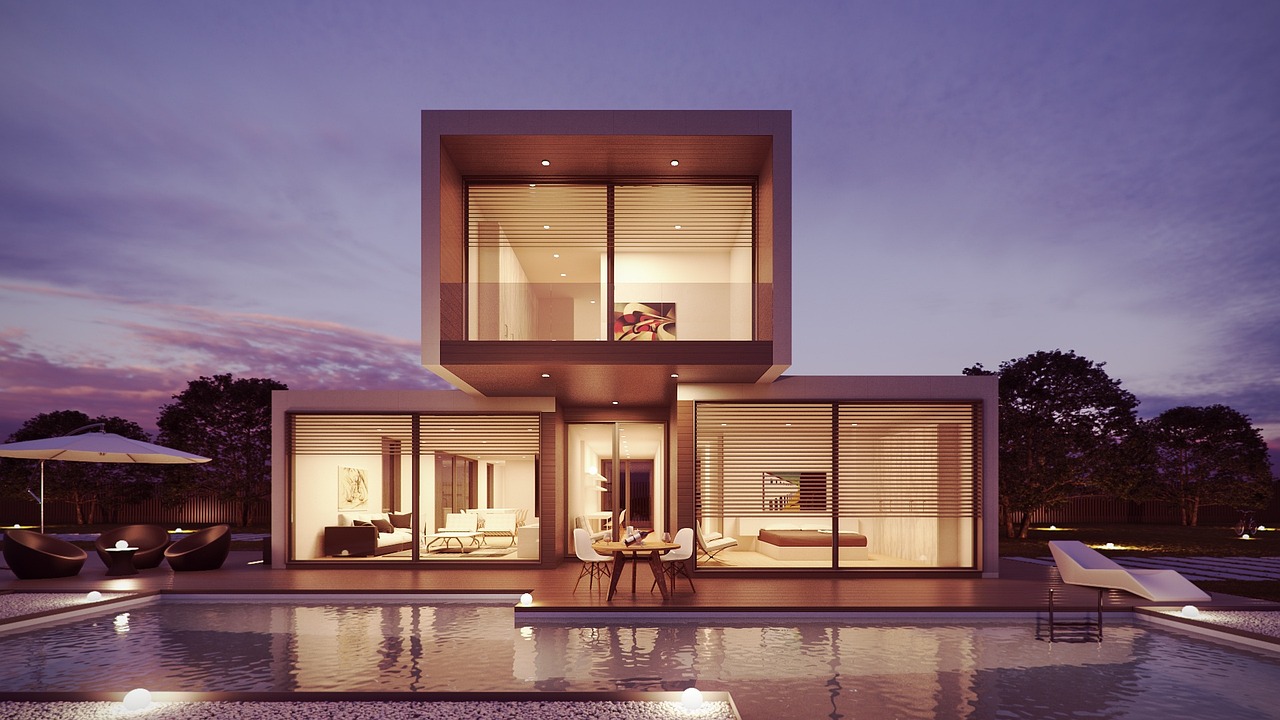
Window Guys of Florida offers a complete range of impact window glass options tailored to South Florida's unique requirements. This guide explains how each glass type performs in our demanding environment.
Understanding South Florida's Climate Challenges
Before diving into glass types, let's understand what your windows face:
- UV radiation: 300+ sunny days annually with intense UV exposure
- Heat gain: Summer temperatures exceeding 95°F with high humidity
- Hurricane threats: Category 5 capable storms with 150+ mph winds
- Salt air corrosion: Coastal areas experience accelerated material degradation
- Heavy rainfall: 60+ inches annually with driving rain during storms
Single-Pane Glass: The Problem with Older Windows
How It Hurts Your Home
Single-pane glass—common in homes built before 1990—is the worst performer in South Florida:
- Zero hurricane protection: Shatters on impact, allowing wind and water intrusion
- Maximum heat transfer: No insulation from exterior temperatures
- Full UV transmission: Fades furniture, flooring, and artwork
- High energy costs: AC runs constantly to compensate for heat gain
- No sound reduction: Every outside noise enters your home
Energy impact: Homes with single-pane windows typically spend 30-50% more on cooling than those with modern impact glass.
When Single-Pane Might Be Acceptable
Honestly? Never in South Florida. If your home still has single-pane windows, upgrading should be a top priority for both safety and financial reasons.
Standard Double-Pane (Insulated) Glass
The Middle Ground
Double-pane glass features two glass layers with an air or gas-filled space between:
| Benefit | Standard Double-Pane | Impact Double-Pane |
|---|---|---|
| Insulation Value | Good | Good |
| Hurricane Protection | None | Excellent |
| UV Protection | Minimal | Excellent with Low-E |
| Sound Reduction | Moderate | Good to Excellent |
How Standard Double-Pane Hurts Your Home
While better than single-pane, standard double-pane glass still fails South Florida's requirements:
- No impact resistance: Will shatter during hurricanes
- Doesn't meet Florida building codes for windborne debris regions
- No insurance discounts: Won't qualify for hurricane mitigation credits
Laminated Impact Glass: The South Florida Standard
How It Protects Your Home
Laminated impact glass—required by Miami-Dade County and Florida Building Code in high-velocity hurricane zones—features:
- Two glass layers bonded to a tough interlayer (usually PVB or SGP)
- Impact resistance that stops flying debris
- Post-impact integrity: Even when cracked, remains in frame
- 24/7 protection without shutters
Benefits Beyond Hurricane Protection
- 99% UV blockage: Protects interiors from fading
- Noise reduction: Up to 50% quieter than standard glass
- Security: Extremely difficult for intruders to penetrate
- Insurance discounts: Qualifies for 15-45% premium reductions
Learn more about how impact windows boost home security beyond storm protection.
Low-E (Low-Emissivity) Coatings
The Energy Efficiency Game-Changer
Low-E coatings are microscopically thin metallic layers applied to glass that:
- Reflect infrared heat back outside (keeps home cooler)
- Allow visible light to pass through
- Block up to 99% of UV rays
- Reduce solar heat gain by 25-50%
Low-E Performance in South Florida
| Glass Type | Solar Heat Gain Coefficient | Visible Light Transmission |
|---|---|---|
| Clear Impact Glass | 0.60-0.70 | 80-85% |
| Low-E Impact Glass | 0.25-0.35 | 60-75% |
| High-Performance Low-E | 0.20-0.25 | 55-65% |
Lower SHGC = less heat entering your home = lower AC bills
Choosing the Right Low-E for Your Needs
- East/West facing windows: Higher performance Low-E recommended for direct sun exposure
- North facing windows: Standard Low-E usually sufficient
- South facing windows: Consider solar-control tinting in addition to Low-E
Tinted Impact Glass Options
Gray Tint
Reduces glare and heat gain while maintaining neutral color views. Popular for:
- Home offices facing east or west
- Living rooms with water views (reduces glare)
- Bedrooms for enhanced privacy
Bronze Tint
Warm-toned tint that complements Mediterranean and traditional architecture. Best for:
- Spanish-style homes common in South Florida
- Properties with warm exterior color schemes
Reflective Tints
Maximum heat rejection for extreme sun exposure:
- Reduces heat gain by up to 70%
- Provides daytime privacy (mirror-like exterior appearance)
- May be restricted by HOA rules—check before selecting
Argon vs. Air-Filled Insulated Glass
What's the Difference?
The space between glass panes can be filled with:
- Air: Standard, adequate insulation
- Argon gas: Denser than air, provides 30% better insulation
- Krypton gas: Even denser, best performance (highest cost)
Is Argon Worth It in Florida?
The insulation benefit is more significant in northern climates with greater temperature differentials. In South Florida:
- Argon provides modest additional benefit (5-10% improved efficiency)
- Low-E coating has greater impact on your energy bills
- Consider argon if you want maximum efficiency
Glass Thickness Considerations
Standard Impact Glass Configurations
- 5mm + 5mm laminated: Residential standard, meets most codes
- 6mm + 6mm laminated: Enhanced protection, better sound reduction
- Asymmetric (5mm + 6mm): Optimized acoustic performance
When to Choose Thicker Glass
- High Velocity Hurricane Zone (HVHZ): Required for Miami-Dade compliance
- Large window spans: Structural requirements demand thicker glass
- Maximum sound reduction: Thicker configurations block more noise
Specialty Glass Options
Self-Cleaning Glass
Features titanium dioxide coating that:
- Breaks down organic dirt using UV light
- Sheets water to rinse debris away
- Reduces cleaning frequency by 50-70%
Ideal for hard-to-reach windows and skylights.
Smart Glass (Electrochromic)
Electronically tintable glass that:
- Changes from clear to tinted with a switch or app
- Provides on-demand privacy and solar control
- Higher cost but increasing in popularity
Making the Right Choice for Your Home
For most South Florida homes, we recommend:
- Laminated impact glass (required for code compliance)
- Low-E coating (significant energy savings)
- Gray or bronze tint for high-exposure windows
- Argon fill for maximum efficiency (optional)
Our team at Window Guys of Florida can analyze your specific home, orientation, and needs to recommend the optimal glass configuration. Contact us for a free consultation.
Frequently Asked Questions
Is Low-E glass worth the extra cost in Florida?
Yes, absolutely. Low-E coatings typically add $2-5 per square foot to window costs but can reduce cooling costs by 25-30%. For a typical Florida home spending $200-300 monthly on summer electricity, this translates to $600-1,000+ in annual savings. The additional cost usually pays for itself within 2-4 years, making it an excellent investment.
Can I see through Low-E or tinted impact glass?
Yes, modern Low-E coatings are nearly invisible and don't significantly affect your view. Light gray or bronze tints are also very subtle—you'll notice reduced glare rather than a colored view. Only highly reflective tints create a noticeable visual difference. We can show you samples to help you choose the right option for your preferences.
What glass type blocks the most noise?
For maximum sound reduction, choose laminated impact glass with asymmetric pane thickness (for example, 5mm outer + 6mm inner) and argon fill. This configuration can reduce exterior noise by 40-50%. The laminated interlayer is the key to sound reduction—it dampens vibrations that transmit sound through glass.
Does tinted glass affect my view of the ocean?
Light gray tint actually enhances ocean views by reducing glare from sun reflecting off water—similar to wearing polarized sunglasses. Many coastal homeowners specifically choose gray-tinted glass for this reason. Bronze tint adds a slight warm tone that some homeowners prefer for sunset views. Heavily reflective tints should be avoided if maintaining clear views is your priority.
How do I know which glass type meets Florida building code?
In High Velocity Hurricane Zones (HVHZ) like Miami-Dade and Broward counties, windows must carry Miami-Dade NOA (Notice of Acceptance) certification. Throughout Florida's wind-borne debris regions, impact windows must meet Florida Building Code Large Missile Impact requirements. Reputable installers like Window Guys of Florida only offer code-compliant products and handle all permitting to ensure your installation meets requirements.