
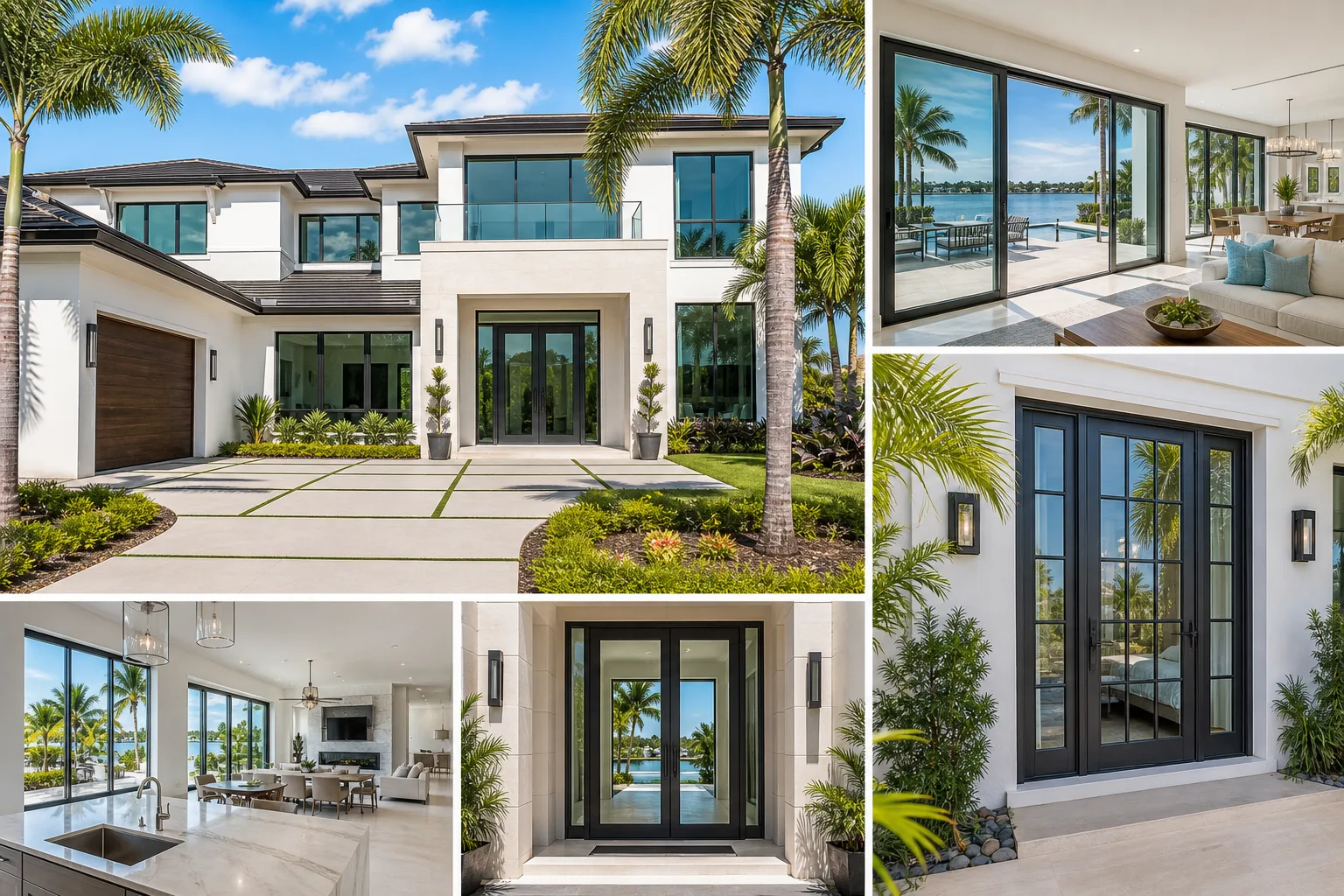
TL;DR: DP rating is the pressure load, in pounds per square foot, that a window or door product is tested and certified to withstand. South Florida homes generally need higher DP ratings than the national minimum, and the specific number depends on your site, building height, and the product approval on file. Getting this wrong is not a cosmetic problem. It is a permit and insurance problem.
What Happened
Design Pressure, or DP, is a numeric rating assigned to a window or door after it passes standardized testing for positive and negative wind loads, water infiltration, and structural performance. The American Architectural Manufacturers Association test protocol, AAMA/WDMA/CSA 101/I.S.2/A440, is the framework most Florida approvals reference.
When a product earns a DP rating, that number reflects the maximum pressure load the assembly can handle before it fails the test. A DP 50 product, for example, is rated for 50 pounds per square foot of wind pressure in both positive and negative directions. A DP 35 product will fail that same test.
Florida added a layer on top of national testing. The Florida Building Code requires that products installed in the state hold a Florida Product Approval (FPA), administered through the state's product approval system. The FPA documents the specific configurations, glass types, frame sizes, and installation conditions under which the tested rating is valid. Change any of those variables and the approval may no longer apply.
This is not abstract. A window rated DP 50 in a 36-inch width may carry a lower rating at 60 inches. The approval document shows those tables. Your contractor and the building department both reference those tables during permitting.
Why It Matters
Wind Speed Zones in South Florida
The Florida Building Code divides the state into wind speed zones based on ASCE 7, the national standard for wind load calculations. Palm Beach, Broward, and Miami-Dade counties sit in high-velocity zones. The Miami-Dade High Velocity Hurricane Zone, or HVHZ, applies to Miami-Dade and Broward counties and carries stricter requirements than the rest of the state.
In the HVHZ, products must hold a Miami-Dade Notice of Acceptance, known as an NOA, in addition to or instead of a standard Florida Product Approval. The NOA is issued by Miami-Dade County's Building Code Compliance Office and includes large-missile impact testing. Palm Beach, Martin, and St. Lucie counties fall under the standard Florida Product Approval system but still require products to meet minimum DP values derived from local wind speed maps.
For a single-story home in Wellington, the design wind speed and the resulting required DP will differ from those for a mid-rise condo in Fort Lauderdale or a waterfront property in Stuart. Elevation, distance from the coast, surrounding terrain, and building height all feed into the calculation.
How DP Requirements Are Actually Calculated
The design pressure your openings must meet is not a single number stamped on a county map. It is calculated from several inputs:
Basic wind speed (V): The 3-second gust speed for your location, taken from ASCE 7 risk-category maps. Design wind speeds across South Florida vary by exact location, risk category, and the ASCE 7 edition adopted by the applicable code cycle; consult the current wind speed maps for your specific parcel.
Exposure category: Buildings in open terrain near the coast receive Exposure D, the most demanding. Buildings shielded by trees or urban development may qualify for Exposure B or C. The category changes the pressure coefficients used in the calculation.
Building height: Pressure loads increase with height. Windows on the tenth floor of a high-rise face higher design pressures than windows on the ground floor of the same building. This is why balcony and high-rise installations require separate engineering review.
Opening location: Corners and edges of a building face higher localized pressures than field openings in the middle of a wall. The code applies pressure zone multipliers to account for this.
The output of that calculation is the minimum DP your product approval must cover for each specific opening. A licensed engineer or a code-trained contractor performs this calculation, or reviews a manufacturer's engineering letter, before submitting for a permit.
What Happens If the DP Is Too Low
A product installed with a DP rating below what the calculation requires will not pass inspection. The inspector checks the product approval or NOA against the permit drawings. If the numbers do not align, the installation fails.
Beyond the permit, there is an insurance consideration. Florida insurers writing wind coverage, including Citizens Property Insurance Corporation, may offer premium discounts tied to documented opening protection, subject to individual carrier underwriting and a wind mitigation inspection. If the installed product does not meet the required DP for your structure, the documentation supporting a wind mitigation credit may be questioned during a claim or reinspection. You can review what opening protection requirements look like from an insurer's perspective in our guide on hurricane impact windows.
And beyond insurance, there is the practical outcome: a window or door that is under-rated for your site is more likely to fail during a major storm. South Florida has documented storm damage from exactly this scenario, particularly in cases where non-impact or under-rated products were installed without permits.
Review opening-protection options before storm season. Request a free estimate
What We Don't Know Yet
A few variables require project-specific review that no article can substitute for.
Your specific wind speed and exposure: The DP floor for your openings is a site calculation, not a lookup table. The inputs depend on your parcel, building geometry, and how your local building department interprets the current Florida Building Code edition. Some jurisdictions have local amendments.
Product approval scope: Not every DP 50 window is approved in every configuration. Frame material, glass package, anchorage method, and rough opening size all affect whether a given product's approval covers your specific installation. This is why reviewing the actual NOA or FPA document matters, not just the headline DP number on a spec sheet.
Upcoming code cycles: Florida adopts new editions of the Building Code periodically. Wind speed maps and pressure coefficients have been updated in past cycles. If you are planning a replacement project, confirm which code edition your local jurisdiction is enforcing at the time of permit submittal. Our overview of 6 things to know before installing hurricane impact windows covers several related permitting variables.
Older homes and original construction: Homes built before current code cycles may have opening schedules that no longer match current minimum requirements. A full replacement permits the new installations to be brought up to current standards. A partial replacement can create a mixed condition that the building department may flag. Discuss this with your contractor before selecting products.
What to Do About It
The practical steps are sequential and not optional if you want a permitted, insurable, code-compliant installation.
Step 1: Get a site-specific calculation. Before you choose a product, a qualified contractor or engineer should determine the minimum DP required for each opening in your home. This is part of the permit documentation, not a sales step. If a contractor quotes you a specific product without mentioning DP calculations or product approval review, ask why.
Step 2: Match the product approval to the calculation. Once you know the required DP for each opening, confirm that the product you are considering holds an NOA or FPA that covers those openings in the configuration being proposed. The approval documents are public record and can be verified through Miami-Dade's product approval portal or the state's product approval system.
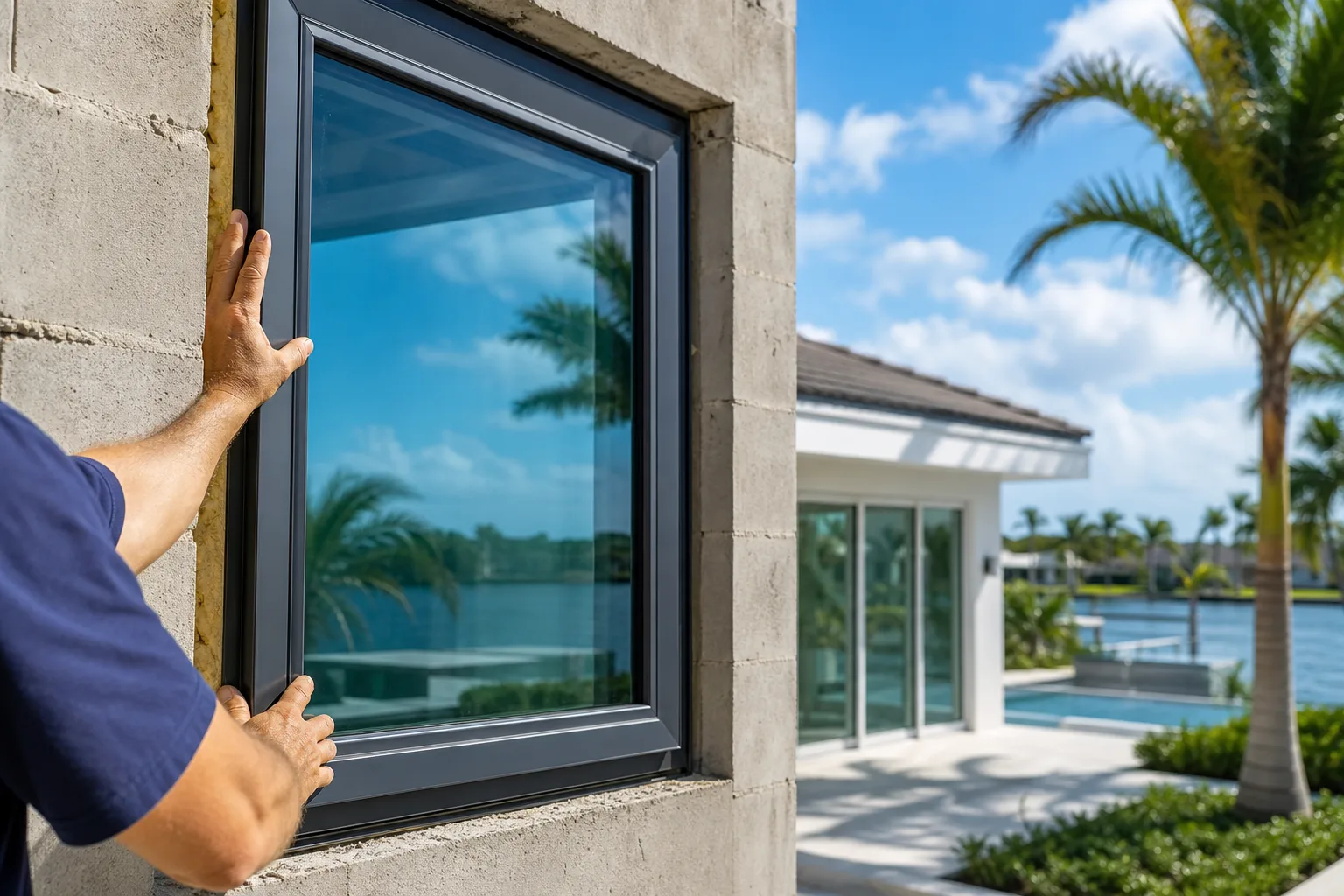
Step 3: Verify the installation method is within the approval scope. Anchorage spacing, substrate type, and buck or flange condition all affect whether the tested approval applies to your installation. This is one reason DIY impact window installation carries meaningful risk beyond the physical work itself.
Step 4: Pull a permit and schedule inspection. In South Florida, permitted impact window and door installations are inspected by the local building department. A passed final inspection creates the paper trail that supports wind mitigation documentation and any future insurance claim. Starting with windows and doors replacement scoped through a licensed contractor includes this process by default.
Step 5: Retain your documentation. After the permit closes, keep the NOA or FPA documents, the permit card, and the inspection sign-off. These records matter when you sell the property, file a claim, or request a wind mitigation reinspection.
If you are ready to start the conversation about what your specific home requires, the first step is a site visit and a written scope. You can request an estimate or contact us directly to discuss your project. Product approval, permitting, and engineering requirements will be confirmed as part of the written project scope, not assumed from general guidelines.
Review opening-protection options before storm season.
The performance and responsibilities for permits, engineering, documentation, installation, and inspections depend on the exact assembly and written project scope.
Frequently asked questions
What does DP rating mean on an impact window?
DP stands for Design Pressure and represents the wind load, in pounds per square foot, that a window or door assembly is tested to withstand without failing. The rating covers both positive pressure, wind pushing in, and negative pressure, wind pulling out. Higher DP numbers indicate the product can handle more severe load conditions.
What DP rating is required in Miami-Dade and Broward counties?
Miami-Dade and Broward counties fall within the High Velocity Hurricane Zone, which requires products to hold a Miami-Dade Notice of Acceptance in addition to meeting minimum design pressure values calculated for each specific opening. The minimum DP for any individual opening depends on building height, exposure category, and location on the building, so there is no single county-wide number that applies to every installation.
Can a window with a high DP rating be used in any opening?
Not automatically. A product approval or NOA specifies the configurations in which the tested rating is valid, including maximum frame dimensions, glass type, and anchorage method. A window rated DP 50 in one size may carry a lower rating at a larger size, or the approval may not cover a particular installation method. The approval document tables need to match the specific opening being installed.
Does a lower DP rating matter if my home is inland?
Location affects the design wind speed used in the calculation, but inland South Florida homes still sit in high-wind design zones. Exposure category, building height, and corner versus field placement can push required DP values higher even for inland properties. The calculation for your specific site is the only reliable way to determine whether a given product meets the requirement.
What happens if I install windows with the wrong DP rating?
An installation that does not meet the required DP for the permitted scope will fail building inspection. Beyond the permit issue, under-rated products may not support wind mitigation credits for insurance purposes, and they carry a higher risk of failure during a major storm. Replacing non-compliant windows requires pulling a new permit and potentially paying for labor and materials a second time.
Does DP rating affect my homeowners insurance discount?
Florida insurers, including Citizens Property Insurance Corporation, may offer wind mitigation premium discounts tied to documented opening protection, subject to individual carrier underwriting and the results of a wind mitigation inspection. Retaining your passed permit inspection records and product approval documents can support those credits, but whether a discount applies depends on your specific carrier and inspection outcome.