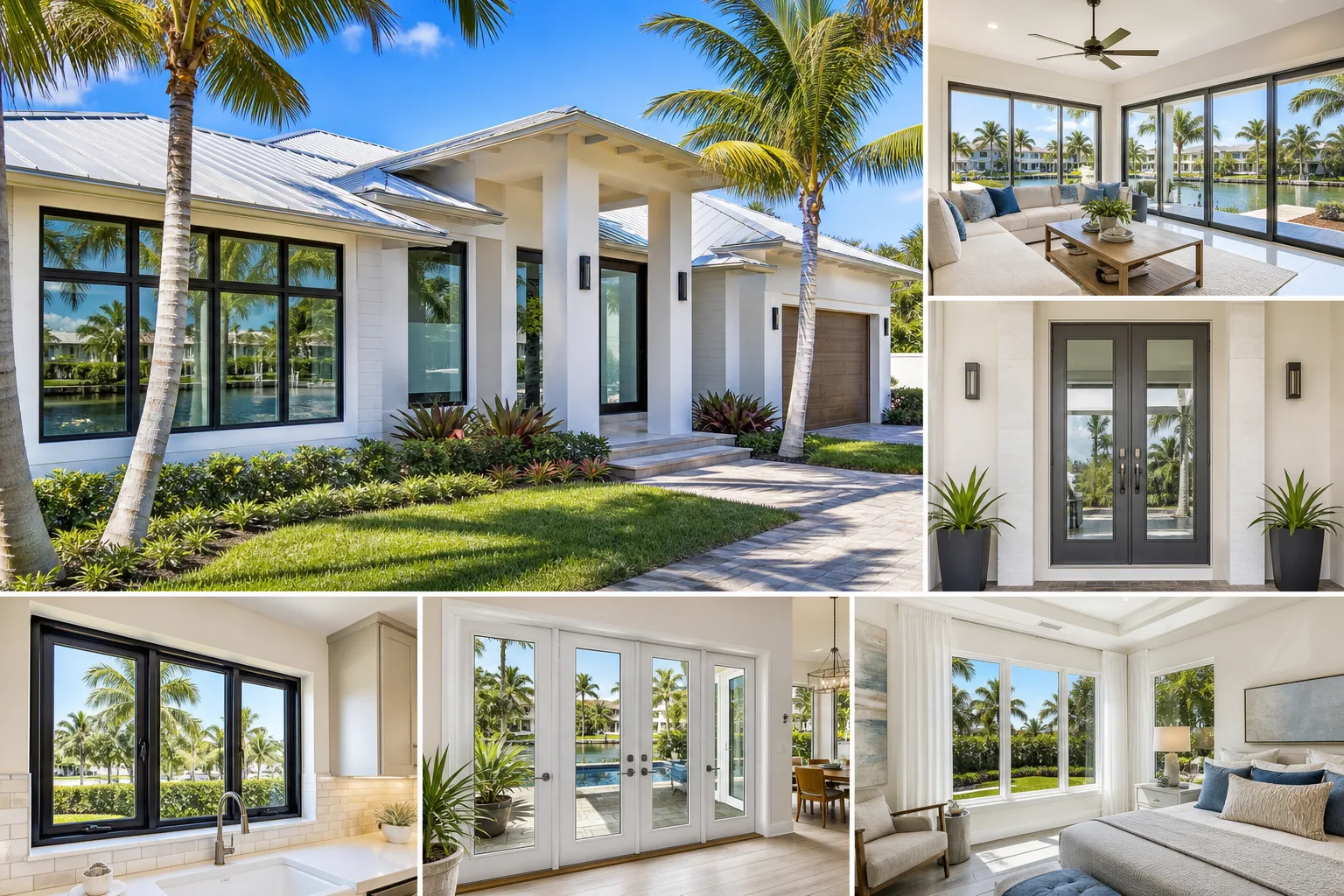
TL;DR: Florida insurers use the Uniform Mitigation Verification Inspection form (OIR-B1-1802) to rate opening protection. The type of protection you have, whether every opening is covered, and whether you hold the right documentation determine your mitigation credit. Getting the details wrong costs money at renewal.
What you need
- A copy of your current Uniform Mitigation Verification Inspection report (ask your insurer or inspector for one)
- Product approval numbers or Notice of Acceptance (NOA) numbers for any impact windows, impact doors, or shutters installed
- Permits and final inspection records for the installation
- Your insurer's current discount schedule or a quote comparison showing mitigation tiers
Note: Exact discount amounts vary by insurer, coverage type, and home characteristics. The figures below are illustrative of the framework, not guaranteed savings.
Step 1: Understand how Florida rates opening protection
Florida's Office of Insurance Regulation standardized the mitigation inspection process using form OIR-B1-1802. Inspectors grade opening protection across four levels, roughly:
- No protection (basic glass, no shutters)
- Basic/non-impact shutters (plywood panels, accordion shutters without product approval, etc.)
- Hurricane-rated shutters or panels with an approved product number
- Impact-resistant glazing (windows and doors with a current Florida Product Approval or Miami-Dade NOA) covering all openings
The higher the rating, the larger the actuarial credit an insurer can apply. Reaching the top tier typically requires that every opening, including garage doors, skylights, and sliding glass doors, meets the rated standard. One unprotected opening can drop the entire home to a lower tier.
Step 2: Separate impact glass from shutters from film
These three categories are not equivalent under current Florida building code or the mitigation inspection framework.
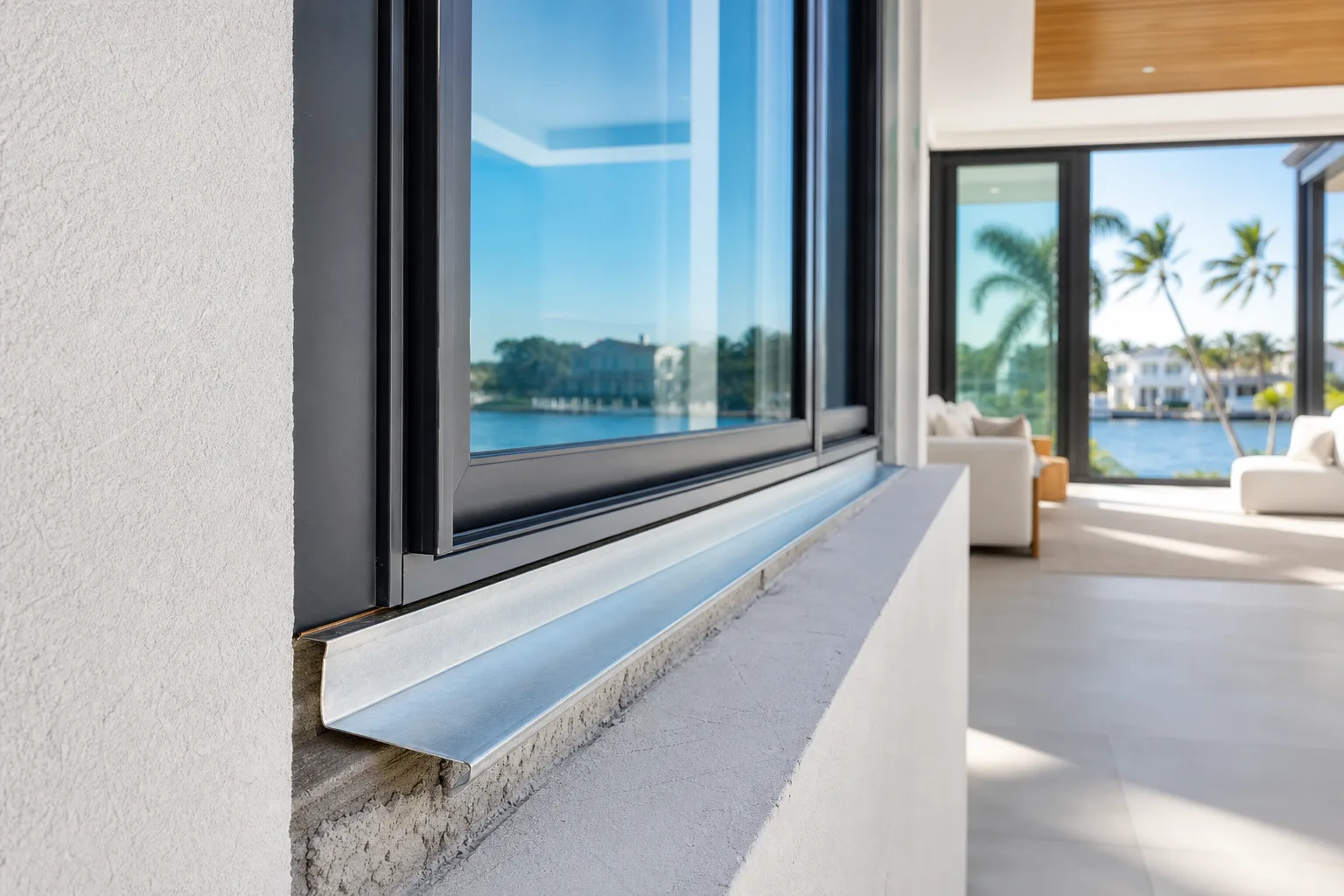
Impact-resistant windows and doors use laminated glass with an interlayer bonded to a tested frame system. They carry a Florida Product Approval number or a Miami-Dade NOA and are permanently installed. Because no action is required before a storm, they count as always-deployed protection. See hurricane impact windows and hurricane impact doors for product context.
Hurricane-rated shutters and panels (accordion, roll-down, storm panels) also earn mitigation credit if they carry a valid product approval number and the inspector can verify that. The key difference: the homeowner must deploy them. Some insurers and underwriters note deployment reliability in their actuarial models, though the inspection form itself only checks whether rated protection exists.
Security film or window film is a separate category. Aftermarket applied film is generally not classified as opening protection under Florida's mitigation inspection framework unless it is part of an approved attachment system meeting specific test standards. Film marketed for UV or privacy purposes does not substitute for impact glazing or a rated shutter.
Step 3: Gather and organize your documentation
An inspector can only credit what they can verify. Prepare:
- Florida Product Approval number for each window, door, or shutter system. These are searchable at the Florida Building Commission product approval database.
- Permit and final inspection records from your local municipality. Wellington homeowners pull permits through Palm Beach County; Miami-Dade, Broward, Martin, and St. Lucie each have their own portals.
- Installation date and contractor license number. For work Window Guys of Florida performed, we can supply permit documentation. For older installs, check your county's permit history online.
- Photos of all openings labeled by location, useful if an inspector questions coverage.
Keep a digital copy. Insurers sometimes request re-inspection when you switch carriers or at renewal after a claim.
Ask your insurer about wind-mitigation documentation. Request a free estimate
Step 4: Schedule or request a mitigation re-inspection
Mitigation inspection reports are typically valid for five years under Florida statute, though insurers may request a new one sooner. If you have added impact windows or doors since the last inspection, a new inspection is how those upgrades get reflected in your premium.
Steps:
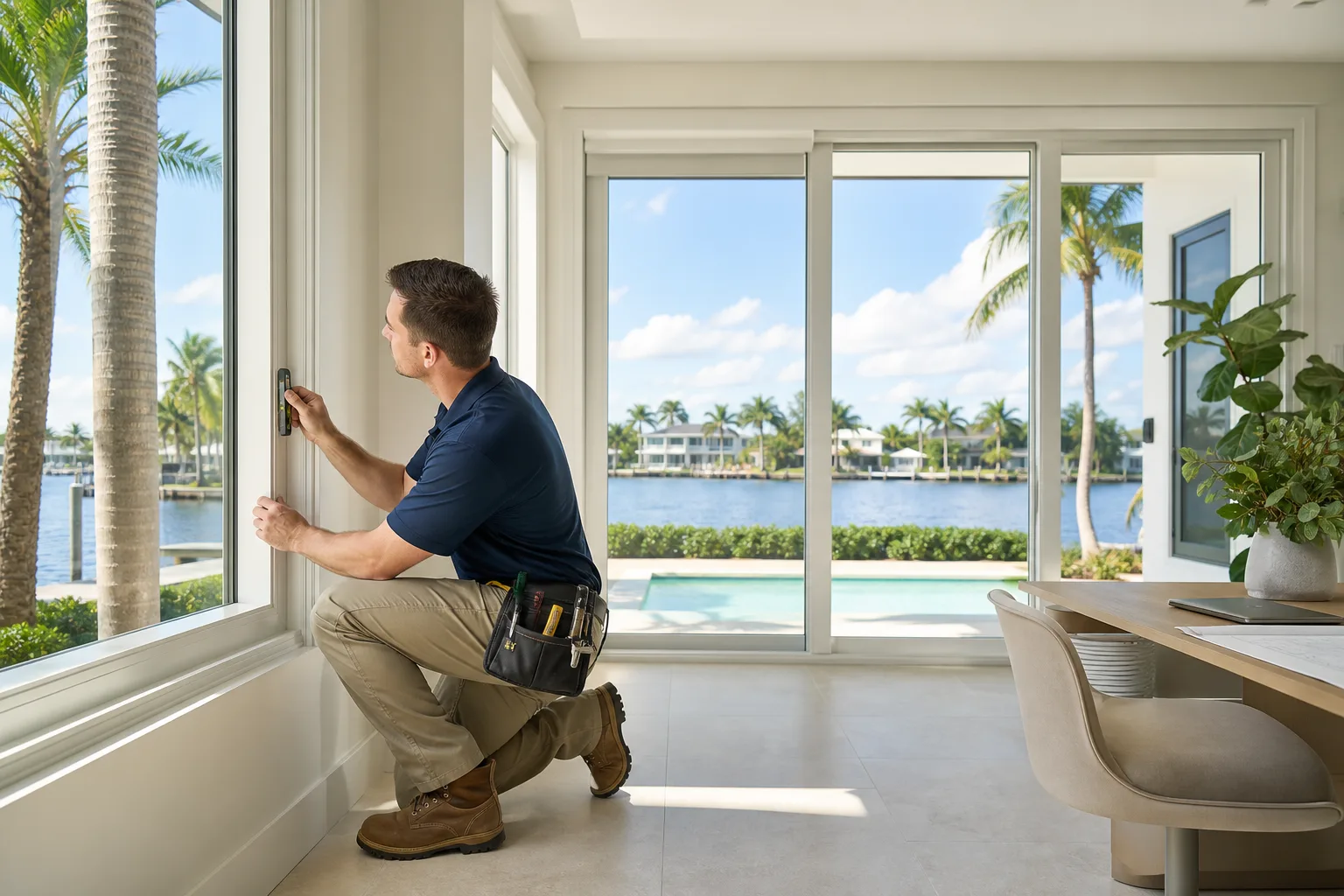
- Contact a licensed wind mitigation inspector (separate from a general home inspector).
- Provide your documentation before the visit so the inspector can note product approval numbers accurately.
- Review the completed OIR-B1-1802 form before it goes to your insurer. Errors on the form can be corrected with a re-inspection or written amendment from the inspector.
- Submit the updated form to your insurer and request a re-rating of your policy.
Your insurer applies the discount prospectively, so timing relative to your renewal date matters.
Step 5: Check all openings before assuming full credit
The most common reason a home does not reach the highest mitigation tier is a single unprotected or non-rated opening. Run through this checklist:
- All windows (including jalousie or casement windows that may predate your impact upgrade)
- Entry doors and secondary doors
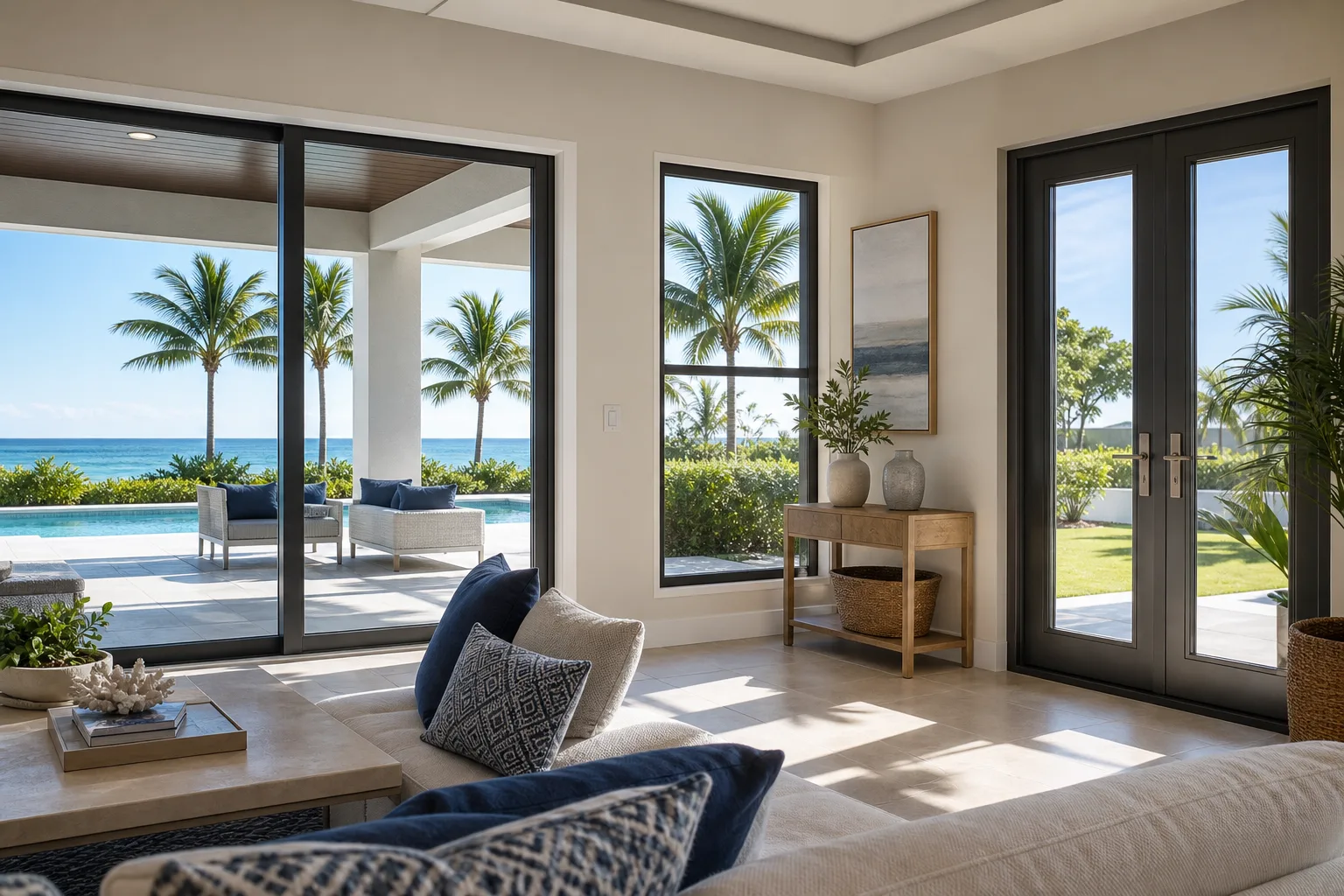
- Sliding glass doors and French doors
- Garage door (must carry its own wind load approval)
- Skylights
- Any new construction openings added after the original upgrade
If one category is still unprotected, weigh the cost of protecting that opening against the insurance tier difference. Sometimes addressing a single garage door or a pair of old jalousies closes the gap to a better tier. See windows and doors replacement if you are assessing a partial upgrade.
Common mistakes
Assuming the contractor filed everything. Permits and inspections are public record but your insurer does not receive them automatically. You are responsible for submitting documentation.
Using the original builder's window specs without verification. Homes built before Florida's 2001 statewide code adoption may have windows that were code-compliant then but do not carry a current product approval number recognizable to an inspector.
Conflating wind rating with impact rating. A window can be rated for wind load without meeting the impact/missile test requirement. The inspection form distinguishes between the two.
Letting the inspection report expire. A report more than five years old may not be accepted by a new insurer or after a policy lapse. Schedule re-inspections proactively.
Filing for a discount without re-inspection after an upgrade. Your insurer credits what is on file, not what is installed. An upgrade only affects your premium after a new inspection is submitted.
Bottom line
Opening protection affects your Florida homeowner insurance renewal through a specific, documented process tied to the OIR-B1-1802 form. Impact-rated windows and doors permanently installed with verified product approvals and permits give inspectors the clearest path to a top-tier rating. Shutters can qualify too, but require the same documentation rigor. Film does not substitute. The practical work is in documentation and ensuring every opening is addressed.
If you are planning an upgrade or need to verify what documentation exists for a past installation, request an estimate or contact us and we can help confirm permit and product approval records for work we performed.
Ask your insurer about wind-mitigation documentation.
Qualifying impact-rated installations may support wind-mitigation credits. Eligibility and premium changes vary by insurer, policy, property, inspection, documentation, and opening protection.
Frequently asked questions
Does adding impact windows automatically lower my Florida homeowner insurance premium?
Not automatically. Your insurer applies a mitigation credit only after you submit an updated OIR-B1-1802 inspection form reflecting the new installation. The upgrade must be permitted, finaled, and verifiable by a licensed wind mitigation inspector before it affects your rate.
Can I submit my own permit records to my insurer instead of getting a new wind mitigation inspection?
Permit records support your documentation but do not replace the OIR-B1-1802 inspection form. Most Florida insurers require the standardized form completed and signed by a licensed inspector, not just contractor paperwork.
What happens if one opening in my home is not impact-rated?
A single unprotected or non-rated opening can prevent your home from reaching the highest mitigation tier, even if every other opening is fully rated. The inspection form evaluates whole-home coverage, so one gap affects the overall classification.
How often do I need to renew my wind mitigation inspection in Florida?
Under Florida statute, mitigation inspection reports are generally accepted for five years, though individual insurers may require a new inspection sooner, particularly after a claim or when switching carriers. Check your policy terms and plan a re-inspection proactively if your report is approaching expiration.