Impact Glass vs Regular Glass: Complete Technical Comparison 2025
Understanding the fundamental differences between impact glass and regular glass is crucial for South Florida homeowners making informed decisions about hurricane protection. While both serve the basic function of allowing light into homes, impact-resistant glass incorporates advanced engineering and materials that provide vastly superior protection against hurricanes, break-ins, and everyday hazards. This comprehensive comparison examines construction methods, performance characteristics, costs, and long-term value to help homeowners choose the right glass technology.
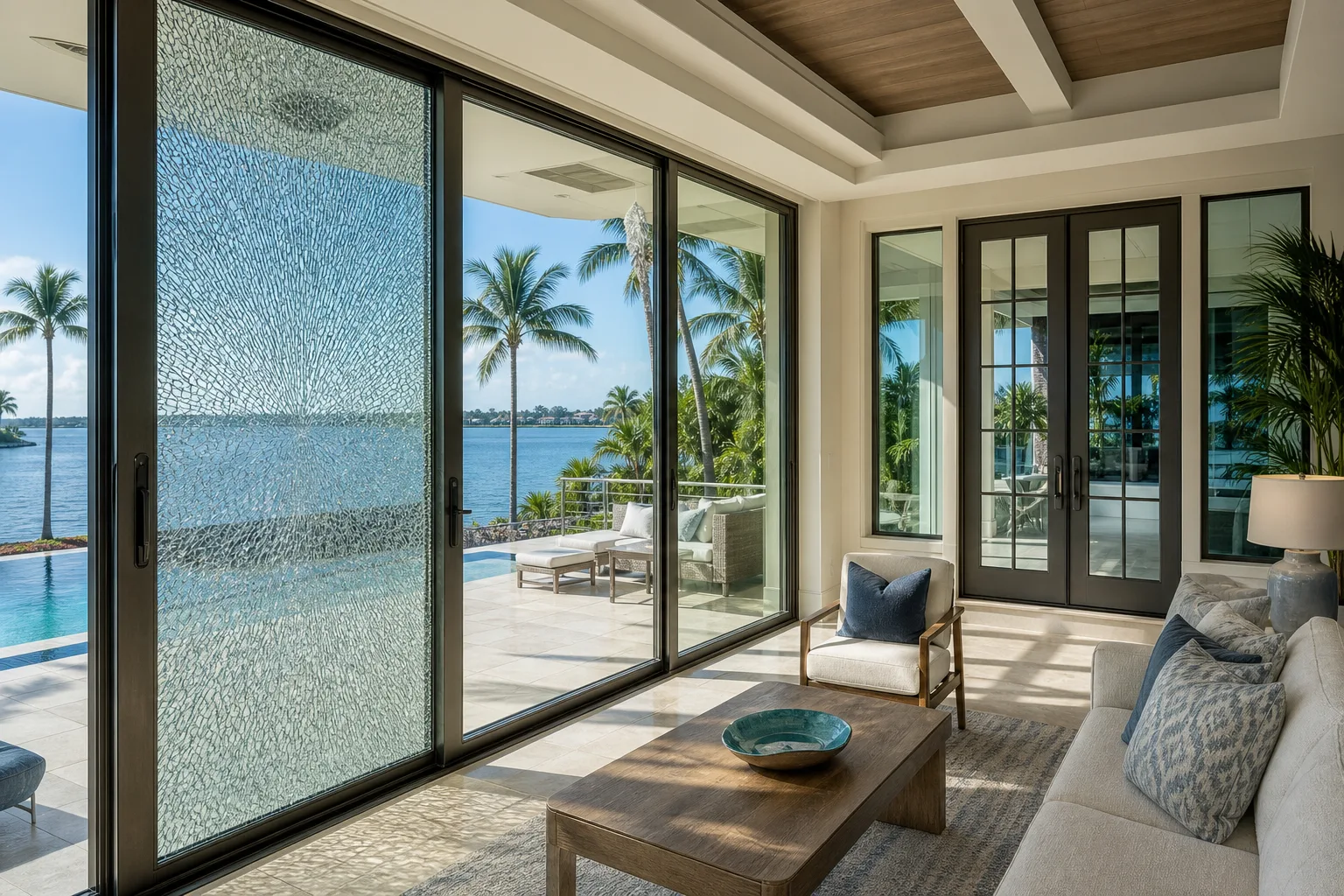
The primary difference lies in construction: regular glass consists of a single pane of tempered or annealed glass, while impact glass features multiple layers of glass bonded with polyvinyl butyral (PVB) interlayers that maintain structural integrity even when shattered. This laminated construction fundamentally changes how the glass responds to impacts, pressure differentials, and environmental stresses.
Construction and Materials Comparison
Regular Glass Construction
Standard residential windows typically use one of two glass types:
- Annealed Glass: Basic float glass that breaks into large, sharp shards when impacted
- Tempered Glass: Heat-treated glass that breaks into small, relatively harmless pieces
- Insulated Glass Units: Two panes separated by air space for improved energy efficiency
- Low-E Coated Glass: Thin metallic coatings that improve energy performance
Impact Glass Construction
Impact-resistant glass uses sophisticated laminated construction:
- Laminated Glass Layers: Two or more panes of glass bonded with PVB interlayers
- Polyvinyl Butyral (PVB) Interlayers: Flexible plastic films that hold glass fragments together
- Heat and Pressure Bonding: Autoclave process creates permanent molecular bonds
- Optional Insulated Construction: Laminated glass can be combined with air spaces for energy efficiency
- Enhanced Edge Sealing: Specialized sealants prevent moisture penetration and delamination
Performance Standards and Testing
Impact Resistance Testing
Impact glass must pass rigorous testing that regular glass cannot survive:
- Large Missile Test: 9-pound 2x4 lumber fired at 50 mph (34 fps)
- Small Missile Test: Steel balls fired at various speeds up to 80 mph
- Pressure Cycling: 9,000 cycles of positive and negative pressure simulation
- Water Penetration Testing: Exposure to driving rain under pressure
- Structural Load Testing: Resistance to wind pressures up to 200+ mph
Regular Glass Performance Limitations
- No Impact Standards: Not tested for projectile resistance
- Complete Failure: Total loss of barrier protection when broken
- Sharp Fragment Creation: Injury risk from glass shards
- Immediate Breach: Allows water, wind, and debris entry
Protection Level Analysis
Hurricane and Storm Protection
Impact Glass Protection:
- Maintains barrier integrity even when cracked
- Prevents water infiltration during extended storms
- Blocks wind-borne debris from entering home
- Maintains positive pressure inside home to prevent roof uplift
- Continues functioning through multiple impacts
Regular Glass Vulnerability:
- Complete failure from any significant impact
- Immediate water and wind entry when broken
- Creates additional projectile hazards from glass fragments
- Compromises entire building envelope integrity
- Requires emergency boarding for temporary protection
Security and Safety Differences
Impact Glass Security Benefits:
- Extreme difficulty to breach - deters break-in attempts
- Maintains protective barrier even when damaged
- Silent alarm compatibility - doesn't trigger false alarms
- No sharp edges when broken - family safety
- UV protection prevents interior fading and damage
Regular Glass Security Limitations:
- Easy breach point for intruders
- Complete access when broken
- Sharp fragment injury risk
- No ongoing protection after damage
- Minimal UV filtering capabilities
Energy Efficiency and Performance
Thermal Performance Comparison
Impact Glass Energy Benefits:
- Superior Insulation: PVB interlayers provide additional thermal resistance
- Air Leakage Reduction: Heavier construction creates better seals
- Low-E Coating Compatibility: Energy-efficient coatings work with laminated construction
- Thermal Mass Benefits: Heavier glass provides thermal stability
Regular Glass Energy Characteristics:
- Basic Insulation: Limited thermal resistance without laminated construction
- Standard Air Leakage: Typical infiltration rates for residential windows
- Coating Options: Low-E and tinted options available but limited effectiveness
- Single or Double Pane: Energy performance depends on air space and coatings
Cost-Benefit Analysis
Initial Investment Comparison
- Regular Glass Windows: $200-600 per window installed
- Impact Glass Windows: $650-1,800 per window installed
- Price Premium: Impact windows cost 3-4x more initially
- Payback Period: Insurance and energy savings recover premium in 8-15 years
Total Cost of Ownership
Regular Glass Long-Term Costs:
- Higher insurance premiums throughout ownership
- Storm preparation and boarding costs
- Potential storm damage and replacement
- Higher energy costs from poor insulation
- Security system complexity and false alarms
Impact Glass Long-Term Savings:
- 15-45% insurance premium reductions immediately
- No storm preparation or boarding requirements
- Damage resistance reduces replacement frequency
- Energy savings from superior thermal performance
- Security benefits reduce need for additional protection
Code Requirements and Compliance
Florida Building Code Mandates
South Florida jurisdictions increasingly require impact-resistant protection:
- High Velocity Hurricane Zones (HVHZ): Impact windows or shutters required for all openings
- Wind-Borne Debris Regions: Protection required within 1 mile of coast or 1,500 feet of shore
- New Construction: Impact protection required for most new residential buildings
- Substantial Improvements: 50%+ renovations trigger impact protection requirements
Insurance Industry Standards
- Underwriting Requirements: Many insurers require impact protection for coastal properties
- Risk Assessment: Properties without protection face higher premiums or coverage restrictions
- Claim History Impact: Regular glass damage history affects future premiums
- Mitigation Credits: Impact glass qualifies for maximum wind mitigation discounts
Professional Installation Requirements
Impact Glass Installation Specifications
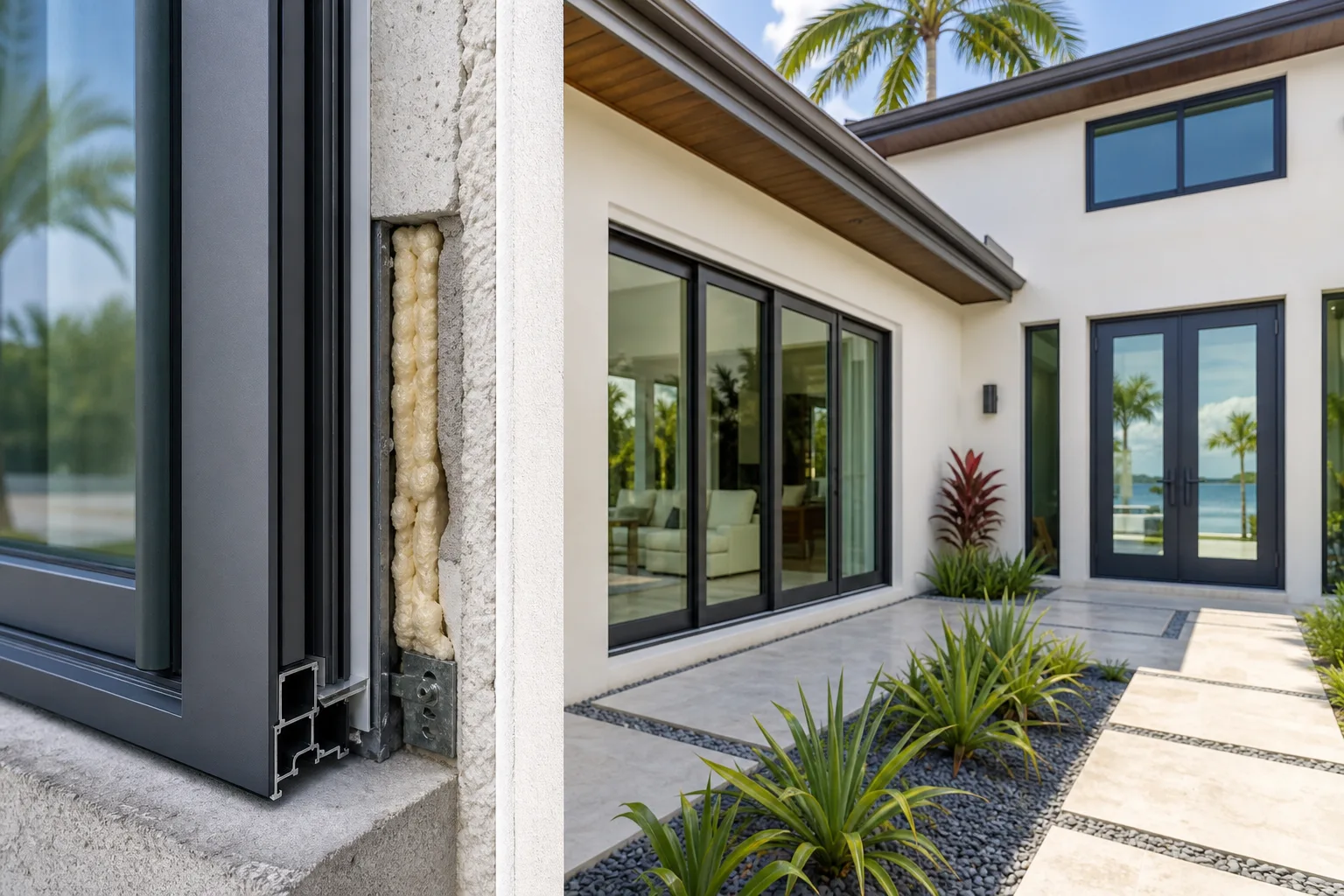
- Structural Anchoring: Enhanced fastening systems to resist wind uplift
- Weatherproof Sealing: Specialized sealants for long-term water resistance
- Code Compliance: Installation must meet hurricane protection standards
- Quality Assurance: Post-installation testing and certification
Regular Glass Installation Standards
- Standard Mounting: Basic fastening appropriate for normal wind loads
- Basic Sealing: Standard caulking and weatherstripping
- Minimal Code Requirements: Energy efficiency focus rather than storm protection
- Basic Quality Control: Standard residential installation practices
Need expert guidance on choosing between impact and regular glass? Contact our specialists at (561) 598-6295 for a detailed consultation that evaluates your specific needs, local code requirements, insurance implications, and budget considerations to recommend the optimal glass technology for your South Florida home.