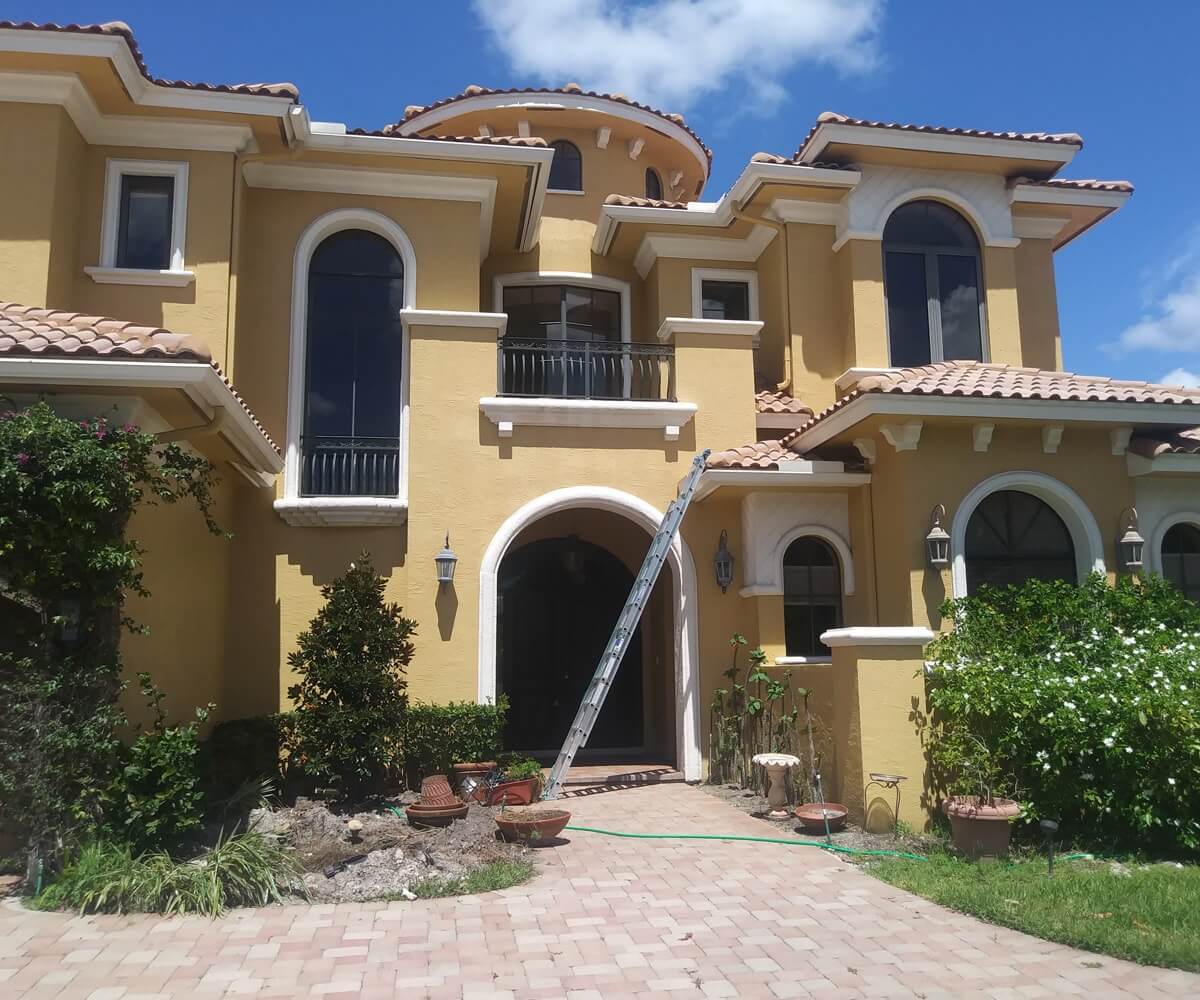
Impact Windows for South Florida Home Wine Cellars: Protecting Your Collection from Hurricanes and Climate Fluctuations
Building a serious wine collection in South Florida is a labor of love - and a significant financial investment. Whether you have a modest 200-bottle cellar tucked beneath your staircase in Boca Raton or a temperature-controlled showroom housing thousands of bottles in a Coral Gables estate, your collection faces environmental threats that wine collectors in cooler, calmer climates simply do not encounter.
Hurricane season runs from June through November, and South Florida sits in one of the most active storm corridors on the planet. A single Category 3 storm can flood a cellar, shatter windows, and expose your wines to days of extreme heat, moisture intrusion, and debris impact. But even outside of hurricane season, the relentless South Florida climate - with its high humidity, intense ultraviolet radiation, and dramatic temperature swings between air-conditioned interiors and sweltering outdoor heat - works against the conditions fine wine demands.
Impact windows represent one of the most important investments a South Florida wine collector can make. They address multiple threats simultaneously, offering hurricane-grade structural protection while also filtering UV rays, reducing moisture infiltration, and helping stabilize the interior environment that preserves your collection for decades.
Why South Florida Wine Cellars Are Uniquely Vulnerable
The Hurricane Threat to Wine Collections
Wine is remarkably sensitive to the exact conditions that hurricanes deliver in abundance. Storm surge flooding can reach ground-floor and basement wine storage areas in communities like Fort Lauderdale and Delray Beach. High winds can breach windows, allowing rain-driven water to intrude at speeds and volumes that overwhelm drainage systems. Even if a storm does not directly flood your cellar, the power outages that follow - often lasting days or even weeks in the aftermath of a major hurricane - can be catastrophic for climate-controlled wine rooms.
Consider that premium wines need to be stored at consistent temperatures between 55 and 65 degrees Fahrenheit. After a major storm, without power, interior temperatures in a South Florida home can climb above 90 degrees within hours. A single episode of heat exposure at this level can accelerate aging in a way that is irreversible, cooking delicate aromas and causing corks to expand and contract in ways that compromise the bottle's seal.
Under Florida HB 911 and the updated 160 MPH impact code for South Florida homes, impact-resistant windows and doors are increasingly required in new construction and major renovations. Even if your existing home is not subject to mandatory upgrades, voluntarily installing impact windows around your wine cellar is one of the most practical protective measures available.
Humidity, UV, and Temperature Fluctuations
Beyond hurricanes, the everyday South Florida climate poses ongoing challenges. Average relative humidity in Palm Beach County and Broward County routinely exceeds 70 to 80 percent during summer months. While wine benefits from some humidity to keep corks from drying out, excessive moisture can encourage mold growth on labels and in wooden racks. More problematic is the constant infiltration of warm, humid outdoor air through poorly sealed windows, which forces your cooling system to work harder and can create temperature fluctuations that stress your wine.
Ultraviolet light is equally destructive. South Florida receives among the highest levels of UV radiation in the continental United States. UV exposure causes chemical reactions in wine that degrade color, aroma, and flavor - a phenomenon sometimes called "light strike." Even wines stored behind glass in a temperature-controlled room are at risk if the glass lacks UV-filtering properties.
How Impact Windows Address These Threats
Hurricane and Storm Protection
Modern impact-resistant windows are engineered to withstand the debris impact and pressure fluctuations of major hurricanes. They feature a laminated glass construction - two or more layers of tempered or heat-strengthened glass bonded together with a tough interlayer, typically made from polyvinyl butyral (PVB) or ethylene-vinyl acetate (EVA). When struck by debris, the glass may crack, but the interlayer holds the pieces in place, preventing the window from breaching.
This matters enormously for a wine cellar. A standard single-pane window can be shattered by a 2x4 piece of lumber carried by 100 MPH winds, instantly exposing your cellar to rain, wind, and debris. An impact window resists that same projectile and maintains the weather seal of your room even under sustained storm conditions.
For wine cellar applications in communities like Weston, Wellington, and Pembroke Pines, we typically recommend impact windows rated for the highest wind speeds available - products from manufacturers like PGT, CGI, and ES Windows that are tested and certified to meet or exceed Florida Building Code requirements.
UV Blocking for Wine Preservation
One of the less-discussed benefits of impact window laminate layers is their ability to block ultraviolet radiation. High-quality impact glass can block up to 99 percent of UV rays without significantly affecting visible light transmission or the aesthetics of your wine room. This is particularly valuable for collectors who have display-oriented wine rooms with glass-front racking systems facing windows, or who enjoy showcasing their collection in a room with natural light.
For perspective, standard clear glass blocks roughly 25 to 30 percent of UV rays. Low-E coated standard glass may block 70 to 80 percent. Premium impact glass with advanced interlayer technology can reach the 99 percent threshold - a meaningful difference for protecting labels, corks, and the wine itself over years of exposure.
Thermal Insulation and Energy Efficiency
Double-pane impact windows provide a substantial improvement in thermal insulation compared to single-pane glass. The insulating air or gas-filled space between panes reduces heat transfer significantly, which translates directly to better temperature stability inside your wine cellar and lower energy costs for your cooling system.
In a South Florida wine cellar, where a dedicated cooling unit may already be working hard against the ambient heat, even a modest reduction in heat gain through windows can mean the difference between stable, consistent temperatures and the small fluctuations that accumulate into long-term wine damage. Cities like Boca Raton and Coral Springs, where daytime temperatures regularly exceed 90 degrees from May through October, present constant thermal pressure on wine storage spaces.
Moisture and Air Infiltration Control
Impact windows are installed with precision-fitted frames and high-quality weatherstripping that significantly reduces air infiltration compared to older aluminum-frame single-pane windows common in older South Florida homes. This tighter seal limits the ingress of humid outdoor air, reducing the load on your wine cellar's humidity control system and helping maintain the consistent environment your collection needs.
This benefit is closely related to what we discuss in our article about impact windows for home humidor rooms in South Florida, where humidity control is equally critical. The same principles of air sealing and moisture management apply directly to wine cellar environments.
Choosing the Right Impact Windows for Your Wine Cellar
Frame Materials and Aesthetics
Wine cellars often reflect a homeowner's aesthetic sensibility as much as their practical storage needs. Many collectors in affluent communities like Palm Beach, Boca Raton, and Coral Gables invest in custom wine rooms with rich wood paneling, stone flooring, and ornate racking systems. The frame material and style of your impact windows should complement this environment.
Aluminum frames are the most common choice in South Florida due to their resistance to corrosion in the humid, salt-air environment. Modern powder-coated aluminum frames are available in a wide range of colors and finishes that can match almost any interior design direction. They are slim-profile and durable, requiring minimal maintenance.
Vinyl frames offer excellent thermal performance and are naturally resistant to moisture. They tend to have slightly bulkier profiles than aluminum, which may or may not suit your wine room's design. They are generally a more budget-conscious option.
Fiberglass frames combine the best thermal performance with a slim, premium profile and exceptional durability. For high-end wine rooms where aesthetics and performance are equally prioritized, fiberglass is worth considering.
Glass Options for Wine Cellar Applications
For wine cellar windows specifically, we recommend discussing the following options with our team:
- High-performance laminated Low-E glass: Combines the UV-blocking and structural benefits of impact laminate with a Low-E coating that reflects infrared heat, reducing solar heat gain without sacrificing natural light.
- Tinted laminated glass: Bronze or gray tints reduce visible light transmission as well as UV and infrared, providing maximum protection for light-sensitive wines. Ideal for wine rooms that face south or west where direct sun exposure is most intense.
- Clear laminated glass with UV-blocking interlayer: Maintains the bright, gallery-like appearance many collectors prefer while still blocking 99 percent of UV radiation.
Impact Doors for Wine Cellars
Do not overlook the entry point to your wine cellar. A wine room protected by impact windows but accessed through a standard hollow-core or standard glass door has a significant vulnerability. Impact-resistant doors are available in a wide range of styles, including glass-panel designs that maintain the visual appeal of a display wine room while providing the same structural protection as your impact windows. A properly sealed impact door also contributes meaningfully to the air sealing and moisture control benefits of your overall installation.
Wine Cellar Design Considerations in South Florida
Above-Ground vs. Below-Ground Cellars
Unlike wine regions in Europe or the northeastern United States, South Florida does not allow for traditional underground wine cellars. The water table in most of Palm Beach County and Broward County sits just a few feet below the surface, making excavation for a subterranean cellar impractical and often impossible.
Instead, South Florida collectors typically build wine rooms in interior spaces - converted closets, dedicated rooms off the kitchen or dining area, or purpose-built additions. These above-ground configurations have excellent access and design flexibility, but they are more exposed to exterior temperature and humidity conditions than a subterranean cellar would be. This makes the quality of your windows and doors even more critical as part of the overall environmental control strategy.
Positioning Your Wine Room Windows
When positioning windows in a wine cellar or wine room, north-facing exposures are generally preferable because they receive the least direct sunlight throughout the day. South-facing and west-facing windows receive the most intense direct sun in the afternoon - the period of peak heat and UV intensity. If your wine room's architecture requires south or west-facing windows, high-performance tinted or Low-E impact glass becomes especially important.
Integration with Climate Control Systems
Impact windows work in concert with your wine cellar's dedicated cooling system, not as a replacement for it. A purpose-built wine cellar in South Florida should be equipped with a dedicated wine cellar cooling unit - not a standard residential HVAC system - capable of maintaining temperatures between 55 and 65 degrees Fahrenheit and relative humidity between 50 and 70 percent regardless of outdoor conditions.
The role of impact windows is to reduce the thermal and moisture load on that cooling system, improve its efficiency, protect against storm intrusion, and block UV radiation. Together, they create a layered environmental protection strategy.
Collectors who are interested in smart home integration for their cellar environments may find our article on smart home impact windows and hurricane season automation useful, as many of the same sensor-based humidity and temperature monitoring concepts apply to wine room management.
The Value of Protecting Your Wine Investment
What Is Your Collection Worth?
The financial case for impact windows in a wine cellar is straightforward. A serious collector in Palm Beach County or Broward County may have $20,000, $50,000, or several hundred thousand dollars of wine on their racks. A single hurricane event - or even a sustained power outage in summer heat - can destroy that entire collection.
The cost of a comprehensive impact window installation for a dedicated wine room typically ranges from a few thousand to tens of thousands of dollars depending on room size, window count, and product selection. Measured against the replacement value of a significant wine collection, this investment has an obvious and compelling return.
Insurance Considerations
Many homeowners insurance policies in Florida offer reduced premiums for homes with fully impact-rated window and door systems. This discount can meaningfully offset the cost of your installation over time. Additionally, some specialty wine collection insurance policies may have requirements or incentives related to the physical security and climate protection of your storage environment. Check with your insurance provider about specific terms.
Parallels with Other High-Value Collection Rooms
The logic of protecting a wine cellar with impact windows applies equally to other rooms housing valuable collections. We have written extensively about this topic for South Florida art collectors, luxury watch collectors, antique furniture collectors, vinyl record collectors, and home library and rare book collections. If you have multiple collection-oriented rooms in your home, a whole-home impact window installation through Window Guys of Florida makes both practical and financial sense.
Why Choose Window Guys of Florida for Your Wine Cellar Project
With more than 25 years of experience serving Palm Beach County and Broward County, Window Guys of Florida has the expertise to help you select and install the right impact window products for your wine cellar's specific requirements. We are authorized dealers for PGT, CGI, ES Windows, Andersen, and other leading manufacturers, giving us access to the full spectrum of glass and frame options that a demanding wine cellar application requires.
Our team understands that a wine cellar is not just a storage room - it is a carefully engineered environment that protects a meaningful investment and reflects a collector's passion. We approach every wine room window project with the same attention to detail that our clients bring to building their collections.
We serve communities throughout South Florida including Boca Raton, Delray Beach, Boynton Beach, West Palm Beach, Wellington, Jupiter, Fort Lauderdale, Coral Springs, Pembroke Pines, Weston, Deerfield Beach, and many more. Learn more about our service areas or visit our about us page to learn about our team and our commitment to quality.
Ready to protect your wine collection? Contact us today for a free consultation and let us help you design an impact window solution tailored to your wine cellar's unique needs.
Frequently Asked Questions
Q: Do impact windows completely block UV light, or do I still need additional UV protection in my wine cellar?
High-quality impact windows with advanced laminate interlayers can block up to 99 percent of UV radiation - which is far superior to standard glass and sufficient for most wine storage applications. However, if your wine room has significant south or west-facing glass exposure, we may recommend pairing UV-blocking impact glass with interior UV-filtering films or window treatments for maximum protection. Contact our team to discuss the specific orientation and exposure of your wine room.
Q: Will impact windows alone maintain the right temperature and humidity for my wine without a dedicated cooling system?
No. Impact windows significantly reduce the thermal and moisture load on your climate control system and help maintain stable conditions, but they are not a substitute for a dedicated wine cellar cooling unit. In South Florida's climate, a purpose-built wine cooling system capable of maintaining 55 to 65 degrees Fahrenheit and 50 to 70 percent relative humidity is essential. Impact windows work alongside that system to improve its efficiency and protect against storm intrusion.
Q: What happens to my wine during a hurricane-related power outage even if my impact windows hold?
This is one of the most important questions wine collectors in South Florida should address. Impact windows protect your cellar from physical breach, water intrusion, and debris damage, but they cannot maintain temperature without power. For serious collectors, we strongly recommend investing in a generator capable of running your wine cellar's cooling system. Many collectors in Boca Raton, Wellington, and Fort Lauderdale pair their impact window installations with whole-home generator systems for complete hurricane preparedness.
Q: How much do impact windows for a wine cellar typically cost in South Florida?
Costs vary widely depending on room size, number of windows, frame material, and glass specifications. A small wine room with two to four windows might see impact window costs ranging from $2,000 to $6,000 installed. Larger or more complex wine room installations with custom frame finishes and premium glass specifications can run higher. The best way to get an accurate estimate is to schedule a free consultation with our team, who can assess your specific space and provide a detailed quote.
Q: Can impact windows be installed in an existing wine cellar without major renovation?
In most cases, yes. Impact windows can be installed as a replacement for existing windows in a retrofit application, often without requiring significant structural changes. Our installation team has extensive experience with retrofit impact window projects in existing wine rooms throughout Palm Beach County and Broward County. The process typically involves removing the existing window and frame, installing a new impact-rated frame and glass unit, sealing and insulating the rough opening, and finishing the interior trim.
Q: Are there building permits required to install impact windows in my wine cellar in Florida?
Yes. Impact window installations in Florida require a building permit in virtually all jurisdictions. This is not a burden - it is actually a benefit to you as a homeowner, because permitted work is inspected by local building officials to confirm code compliance, and it ensures your installation qualifies for the insurance discounts and legal protections associated with impact-rated systems. Window Guys of Florida handles the permitting process as part of every installation project, so you do not need to navigate it yourself.
Frequently Asked Questions
Do impact windows completely block UV light, or do I still need additional UV protection in my wine cellar?
High-quality impact windows with advanced laminate interlayers can block up to 99 percent of UV radiation - far superior to standard glass and sufficient for most wine storage applications. However, if your wine room has significant south or west-facing glass exposure, we may recommend pairing UV-blocking impact glass with interior UV-filtering films or window treatments for maximum protection. Contact our team to discuss the specific orientation and exposure of your wine room.
Will impact windows alone maintain the right temperature and humidity for my wine without a dedicated cooling system?
No. Impact windows significantly reduce the thermal and moisture load on your climate control system and help maintain stable conditions, but they are not a substitute for a dedicated wine cellar cooling unit. In South Florida's climate, a purpose-built wine cooling system capable of maintaining 55 to 65 degrees Fahrenheit and 50 to 70 percent relative humidity is essential. Impact windows work alongside that system to improve its efficiency and protect against storm intrusion.
What happens to my wine during a hurricane-related power outage even if my impact windows hold?
Impact windows protect your cellar from physical breach, water intrusion, and debris damage, but they cannot maintain temperature without power. For serious collectors, we strongly recommend investing in a generator capable of running your wine cellar's cooling system. Many collectors in Boca Raton, Wellington, and Fort Lauderdale pair their impact window installations with whole-home generator systems for complete hurricane preparedness.
How much do impact windows for a wine cellar typically cost in South Florida?
Costs vary depending on room size, number of windows, frame material, and glass specifications. A small wine room with two to four windows might see installed costs ranging from $2,000 to $6,000. Larger or more complex wine room installations with custom frame finishes and premium glass specifications can run higher. The best way to get an accurate estimate is to schedule a free consultation with our team, who can assess your specific space and provide a detailed quote.
Can impact windows be installed in an existing wine cellar without major renovation?
In most cases, yes. Impact windows can be installed as a replacement for existing windows in a retrofit application, often without requiring significant structural changes. Our installation team has extensive experience with retrofit impact window projects in existing wine rooms throughout Palm Beach County and Broward County. The process typically involves removing the existing window and frame, installing a new impact-rated unit, sealing and insulating the rough opening, and finishing the interior trim.
Are building permits required to install impact windows in my wine cellar in Florida?
Yes. Impact window installations in Florida require a building permit in virtually all jurisdictions. This ensures your installation is inspected for code compliance and qualifies for insurance discounts associated with impact-rated systems. Window Guys of Florida handles the permitting process as part of every installation project, so you do not need to navigate it yourself. Contact us to learn more about the permit and installation process.