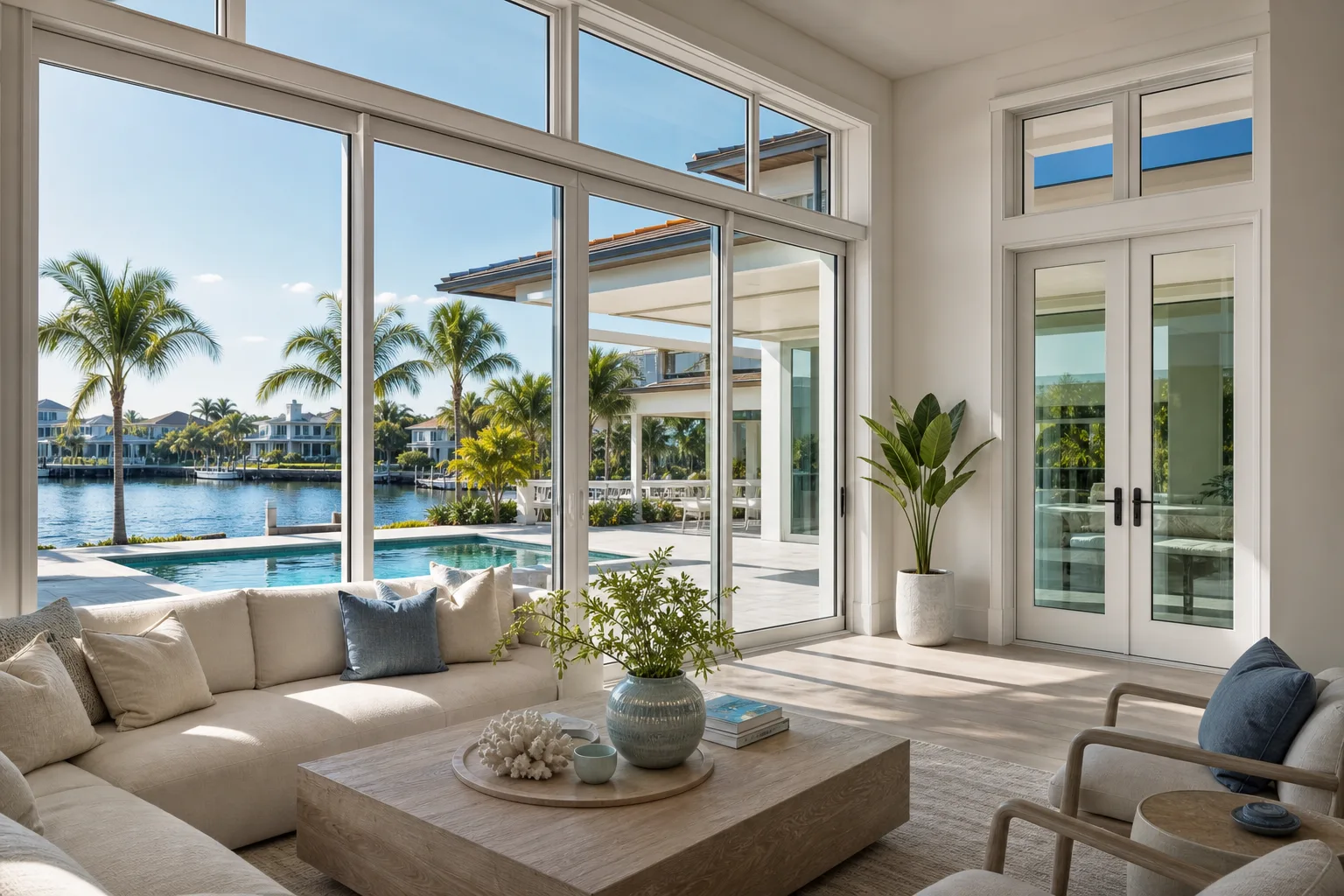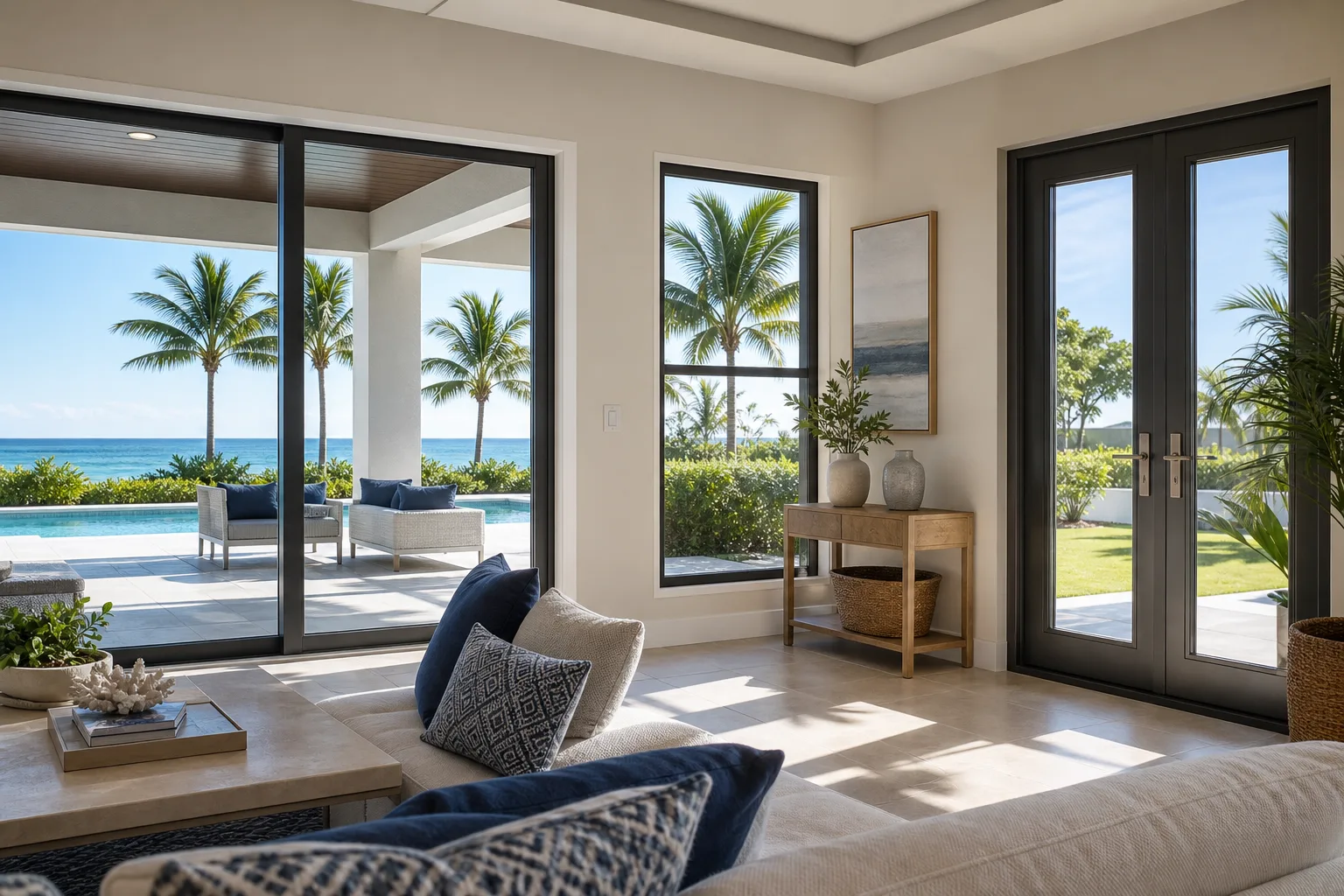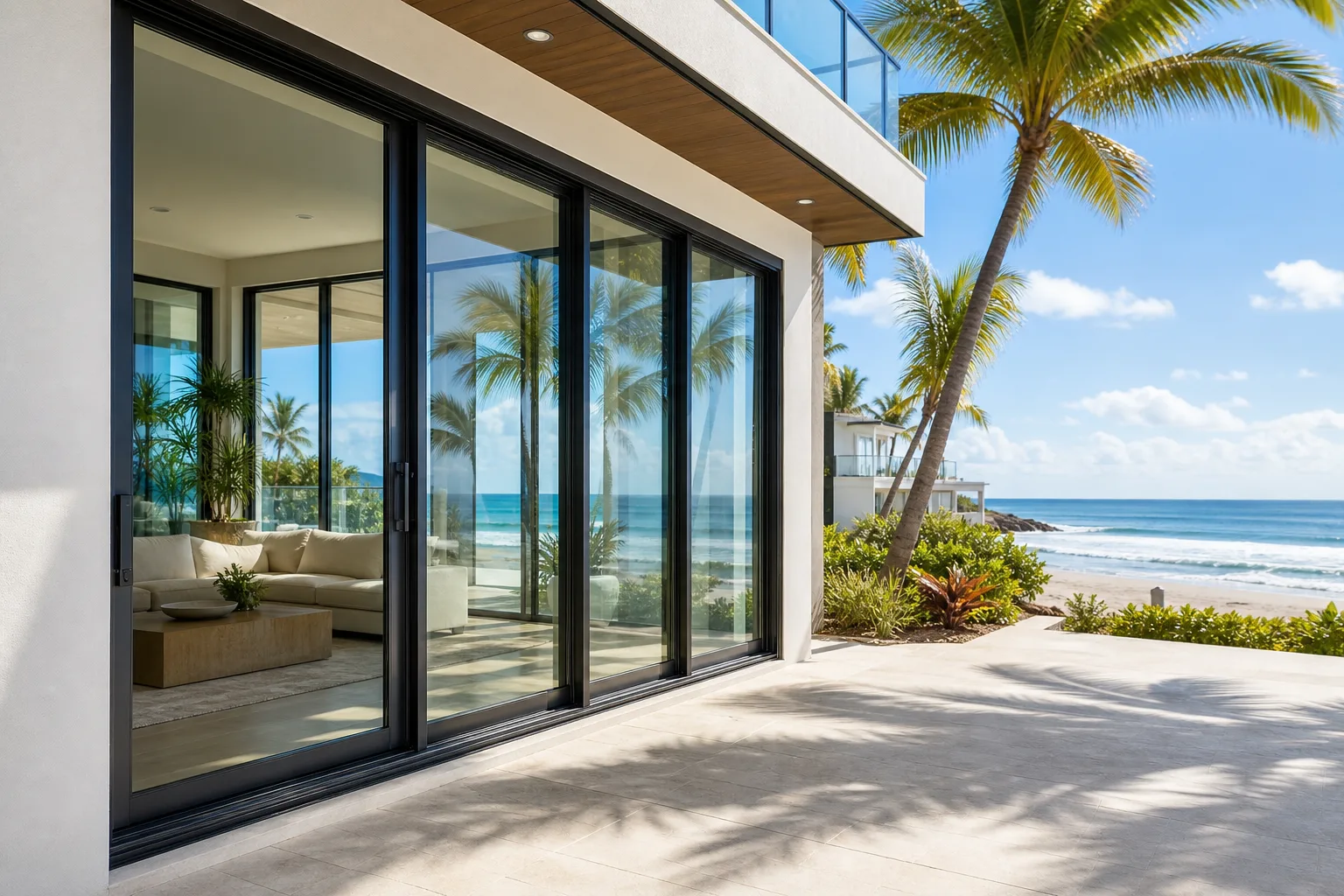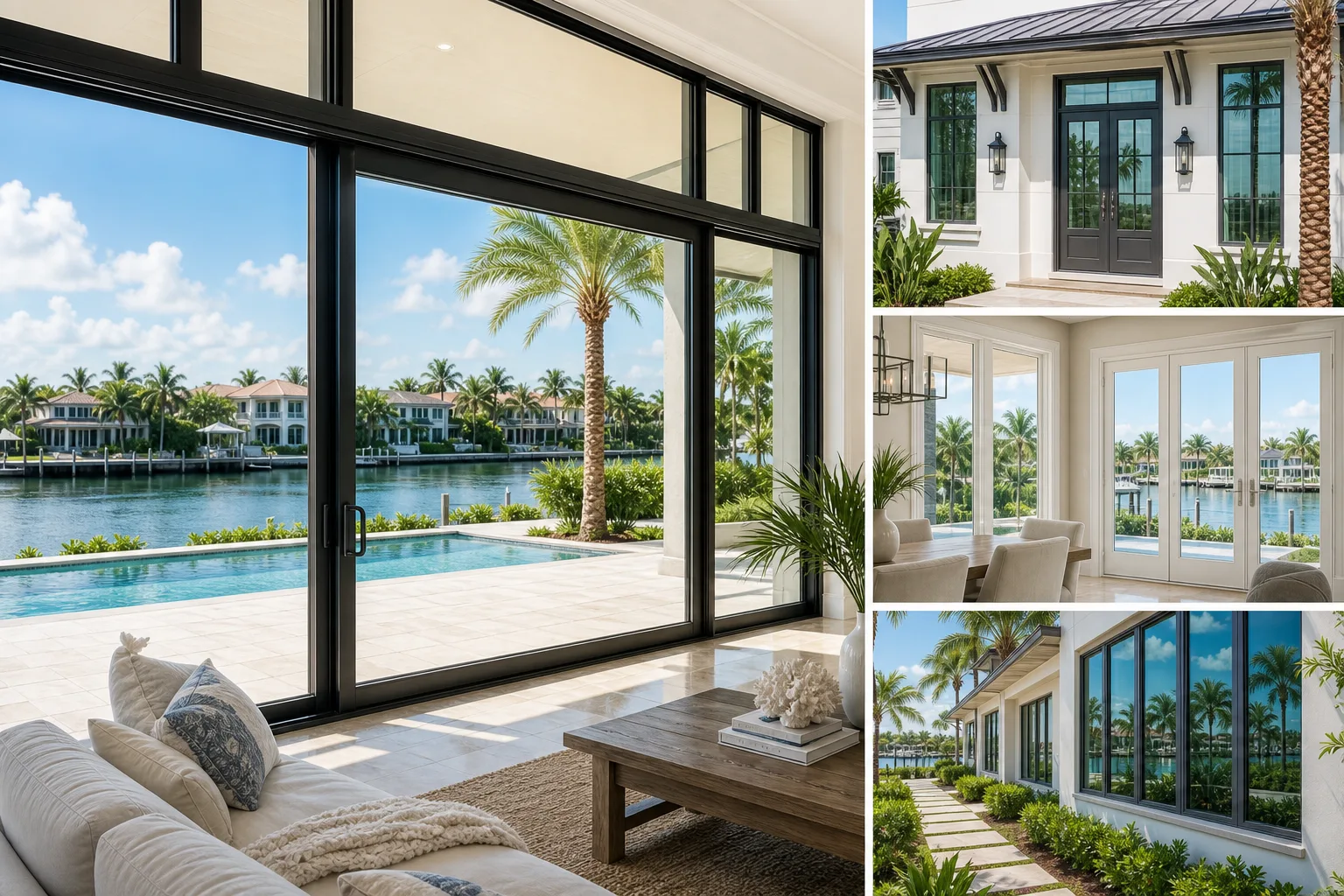
Impact Windows for South Florida Wine Cellars and Climate-Controlled Rooms
If you have invested serious time and money building a wine cellar or climate-controlled room in your South Florida home, you already understand the challenge. The region's brutal heat, relentless humidity, and annual hurricane threats create a perfect storm of environmental hazards that can destroy a carefully assembled wine collection in surprisingly little time.
For homeowners in Boca Raton, Coral Gables, Delray Beach, Fort Lauderdale, West Palm Beach, and surrounding communities, protecting a wine collection means more than just installing the right cooling system. It means building a complete environmental defense - and impact windows are a critical part of that defense.
This guide explores exactly why impact windows are essential for wine cellars and climate-controlled spaces in Palm Beach County and Broward County, what features matter most, and how the right installation can protect your investment for decades to come.
Why South Florida Is One of the Worst Climates for Wine Storage
Wine is remarkably sensitive. Ideal long-term storage requires temperatures between 55 and 65 degrees Fahrenheit, humidity levels between 60 and 70 percent, minimal vibration, darkness, and protection from ultraviolet light. South Florida routinely violates nearly every one of these requirements on any given summer afternoon.
The Heat Problem
Average summer temperatures in Miami-Dade, Broward, and Palm Beach counties regularly exceed 90 degrees Fahrenheit, with heat index values climbing well above 100. Even with an excellent wine cooling system running constantly, solar heat gain through windows and walls can destabilize cellar temperatures significantly. Every degree above 65°F accelerates the aging process, and temperatures above 75°F can begin to permanently damage wine within weeks.
A standard window in a South Florida home can allow enormous amounts of solar heat to pour into adjacent rooms. In a space where a few degrees of temperature variation matters, this is a serious problem.
Humidity Swings
South Florida humidity is famously extreme. During the rainy season, outdoor relative humidity regularly exceeds 90 percent. During drier winter months, humidity can drop sharply. These swings can cause corks to dry out, shrink, and allow oxygen into the bottle - the kiss of death for a fine wine. Conversely, excessive moisture can promote mold growth and ruin labels.
UV Exposure
Ultraviolet light degrades wine by triggering chemical reactions that produce off-flavors and aromas - a problem sometimes called "light strike." South Florida receives some of the highest UV radiation levels in the continental United States. Even indirect sunlight entering through untreated windows can degrade a wine collection over time.
Hurricane Risk
Palm Beach County and Broward County sit squarely in one of the most active hurricane corridors in the world. A major storm can destroy a wine cellar not just through direct impact, but through power outages that disable cooling systems, water intrusion that floods storage areas, and debris that shatters conventional windows.
How Impact Windows Protect Wine Cellars
Hurricane impact windows were designed primarily for storm protection, but their physical properties make them exceptional for climate-controlled spaces as well. Here is how they address each of the major threats to a South Florida wine collection.
Superior Thermal Insulation
High-quality impact windows use laminated glass with a special interlayer, often combined with low-emissivity (Low-E) coatings. This combination dramatically reduces the amount of solar heat that enters a space. In a wine cellar or climate-controlled room, this means the cooling system works less hard, temperature swings are smaller, and energy costs are lower.
Compared to single-pane windows or even standard double-pane windows, premium impact windows can reduce solar heat gain by 40 to 70 percent. For a wine cellar next to an exterior wall in a Boca Raton estate or a Weston luxury home, this difference is enormous.
UV Filtration
Most premium impact windows block 99 percent or more of ultraviolet radiation. This is the same level of UV protection discussed in our guide to impact windows for South Florida art studios and galleries, where UV protection is equally critical for preserving irreplaceable works.
For wine, blocking UV means eliminating one of the primary chemical threats to long-term aging. Even if your wine cellar has no windows directly, adjacent hallways, tasting rooms, or utility spaces with standard windows can allow reflected UV light to reach stored bottles over time.
Moisture Barrier and Air Sealing
Impact windows feature heavy-duty frames and multi-point locking hardware that create an extremely tight seal. This dramatically reduces air infiltration - the movement of humid outdoor air into conditioned spaces. For a wine cellar or humidity-controlled room, reducing air infiltration helps maintain stable relative humidity levels without forcing the dehumidification or humidification system to work overtime.
Proper air sealing also reduces the risk of mold and mildew, which thrive in South Florida's humidity and can damage not just wine labels but wooden racks, cork, and the structural elements of a cellar.
Hurricane and Storm Protection
This is the most obvious benefit, but it deserves emphasis. A wine collection representing tens of thousands or even hundreds of thousands of dollars can be completely destroyed by a single hurricane. Impact windows are tested to withstand wind-borne debris at speeds equivalent to Category 4 and Category 5 storms.
Beyond protecting the glass itself, impact windows maintain the structural envelope of your home during a storm. When windows fail, wind pressure can cause catastrophic roof and wall damage. Keeping your windows intact protects not just your wine cellar but your entire home.
For more on how impact windows protect specialized rooms throughout the home, see our guides on impact windows for home theaters and impact windows for home server rooms.
Choosing the Right Impact Windows for a Wine Cellar Application
Not all impact windows perform equally when it comes to thermal management and UV protection. Here are the key specifications to evaluate when selecting windows for a wine cellar or climate-controlled room.
Glass Specifications
Low-E Coatings
Low-emissivity coatings are metallic oxide layers applied to the glass surface that reduce heat transfer while maintaining visible light transmission. For a wine cellar application, look for windows with a Solar Heat Gain Coefficient (SHGC) of 0.25 or lower. This means 75 percent or more of solar energy is blocked before it enters the space.
Laminated Interlayer
All impact windows use a polyvinyl butyral (PVB) or similar interlayer bonded between glass panes. This interlayer is what keeps the glass intact when struck by debris. It also contributes to UV blocking, as PVB interlayers absorb a significant portion of ultraviolet radiation.
Double or Triple Glazing
For maximum thermal insulation in a wine cellar application, consider double or triple-glazed impact windows. The air or gas-filled space between panes adds a significant insulating layer. Many premium brands offer impact windows with argon or krypton gas fill, which improves the insulating value (U-factor) compared to air-filled units.
Frame Materials
For South Florida wine cellars, consider vinyl or fiberglass frames rather than aluminum. While aluminum is common and performs well for hurricane protection, it conducts heat more readily than vinyl or fiberglass. For a space where thermal stability is paramount, vinyl or fiberglass frames provide better insulating properties.
Authorized Brands We Carry
At Window Guys of Florida, we are authorized dealers for PGT, CGI, ES Windows, Andersen, and other top manufacturers. Each of these brands offers product lines with excellent specifications for climate-sensitive applications. We can help you match the right product to your specific wine cellar or climate-controlled room design.
Designing a Complete Wine Cellar Protection System
Impact windows are one important layer of protection for a wine cellar, but they work best as part of a complete environmental strategy.
Tasting Rooms and Adjacent Spaces
Many South Florida homeowners build dedicated wine tasting rooms adjacent to or connected with their cellars. These spaces often have more windows for ambiance and views. In Coral Gables Mediterranean-style estates or waterfront properties in Palm Beach, a tasting room with large windows looking onto a garden or water feature is a desirable design element.
For these spaces, impact windows with Low-E coatings provide the aesthetic openness you want while controlling heat and UV. The cellar itself can be designed as a more enclosed, heavily insulated space, while the adjacent tasting room remains open and elegant with full impact window protection.
This same approach applies to other specialized rooms in the home. Similar considerations come up for home breweries and distilleries where temperature and humidity control also matter significantly.
Combining Impact Windows with Smart Home Automation
For serious collectors, combining impact windows with smart home technology creates a powerful monitoring and control system. Smart thermostats, humidity sensors, and automated alerts can notify you if cellar conditions drift outside acceptable ranges - whether due to a cooling system failure, an unexpected storm, or a power fluctuation.
See our detailed guide on smart home impact windows for South Florida for more on integrating windows with home automation systems.
Insurance and Documentation
Many homeowner insurance policies in Florida offer premium reductions for homes with impact windows throughout. When you have a significant wine collection, documenting your cellar's protective features - including impact windows with their specifications - is important for insurance purposes. Some specialty wine collection insurance policies also consider the quality of environmental controls when determining coverage and premiums.
This benefit extends across many types of valuable collections. Our guides on protecting antique furniture and art collections explore similar considerations for other high-value assets.
Real-World Applications in Palm Beach County and Broward County
Residential Wine Cellars in Boca Raton
Boca Raton is home to a substantial concentration of luxury properties with dedicated wine cellars. Many are located in lower-level spaces or interior rooms where windows may be limited, but tasting areas, wine bars, and storage anteroom areas often have exterior exposure. For these applications, impact windows with maximum Low-E performance provide the best combination of aesthetics and environmental control.
Waterfront Properties in Palm Beach and Delray Beach
Waterfront homes face the additional challenge of salt air and higher wind exposure. Impact windows designed for coastal installations are specifically rated for salt air resistance. For waterfront wine storage, this matters because salt corrosion can affect everything from window frames to the mechanical components of cooling systems. Impact windows with corrosion-resistant frames address this problem directly.
For more on impact windows in waterfront settings, see our guide on impact windows for waterfront yacht communities.
Vacation Homes in South Florida
Many Palm Beach County and Broward County homeowners maintain vacation or seasonal residences with wine collections they visit only part of the year. For these properties, having a fully protected wine cellar with impact windows is especially important - the home may be unoccupied during peak hurricane season when the risk is highest.
Our guide on impact windows for South Florida vacation homes covers the broader considerations for protecting seasonal properties.
HOA Communities in Plantation, Weston, and Pembroke Pines
Many wine collectors in Broward County live in upscale HOA communities. If your community has architectural review requirements, our team has extensive experience navigating HOA approval processes for impact window installations. Our guide on impact windows for HOA communities provides detailed information on this process.
The Financial Case for Impact Windows in Wine Cellar Spaces
Energy Savings
Wine cooling systems run continuously. Any reduction in the heat load they must overcome directly reduces your electricity consumption. In South Florida, where cooling costs are already high, the energy savings from high-performance impact windows in a wine cellar can be substantial over time.
Collection Value Protection
A moderate wine collection of 500 bottles can easily represent $25,000 to $100,000 or more in value. Fine Bordeaux, Burgundy, and Napa Valley wines that have been properly cellared for 10 to 20 years can appreciate dramatically. The cost of replacing a damaged or destroyed collection - especially wines that are no longer available for purchase - can far exceed the cost of the most premium impact window installation.
Home Resale Value
Wine cellars are among the most desirable luxury home features in South Florida's competitive real estate market. A properly protected, thoughtfully designed cellar adds significant value to a property. Pairing a wine cellar with whole-home impact window protection is a combination that resonates strongly with luxury buyers.
For a detailed look at how impact windows affect home resale value, see our article on impact windows and home resale value in South Florida.
Working with Window Guys of Florida
With more than 25 years of experience serving Palm Beach County and Broward County homeowners, Window Guys of Florida has the expertise to assess your specific wine cellar application and recommend the right products and installation approach.
Our process begins with a thorough consultation where we evaluate your current windows, the orientation and sun exposure of your cellar or climate-controlled room, your existing HVAC and cooling equipment, and your budget. We then present options from our portfolio of authorized brands - PGT, CGI, ES Windows, Andersen, and more - matched to your specific performance requirements.
We handle every aspect of the project, from permitting to installation to final inspection. Our installations meet all South Florida building codes and Miami-Dade Notice of Acceptance (NOA) requirements. We are fully licensed and insured.
View our complete service areas to confirm we serve your community, or learn more about our team and experience.
Contact us today to schedule a free consultation for your wine cellar or climate-controlled room impact window project.
FAQ: Impact Windows for Wine Cellars and Climate-Controlled Rooms in South Florida
Frequently Asked Questions
See the FAQ section below for answers to the most common questions we receive from South Florida wine collectors and homeowners with climate-controlled rooms.
Frequently Asked Questions
Do impact windows actually help maintain temperature in a wine cellar?
Yes, significantly. High-performance impact windows with Low-E coatings reduce solar heat gain by 40 to 70 percent compared to standard windows. This means the cooling system in your wine cellar has far less heat to overcome, making it easier to maintain the steady 55 to 65 degree temperature range that wine requires. In South Florida's climate, where summer heat is extreme, this makes a meaningful difference in both temperature stability and energy costs. Contact us to learn which specific window products offer the best thermal performance for wine cellar applications.
What UV protection level do impact windows provide for wine storage?
Premium impact windows block 99 percent or more of ultraviolet radiation. This is achieved through a combination of the laminated PVB interlayer used in all impact glass and Low-E metallic oxide coatings applied to the glass surface. For wine, UV protection is critical because ultraviolet light triggers chemical reactions that create off-flavors and aromas - a phenomenon known as light strike. South Florida has some of the highest UV radiation levels in the continental US, making this protection especially valuable for collections stored near exterior walls or in rooms with any natural light exposure.
Will impact windows help protect my wine cellar during a hurricane even if the power goes out?
Impact windows protect your wine cellar from physical storm damage - flying debris, wind pressure, and water intrusion - regardless of power status. However, if power is lost for an extended period, your cooling system will stop running and cellar temperatures will rise. The good news is that well-insulated spaces with impact windows heat up more slowly than those with standard windows, giving your wine more time before temperatures reach harmful levels. Many serious collectors pair impact windows with a whole-home generator to ensure cooling systems run continuously during outages. Learn more about our impact window options that provide maximum insulation.
My wine cellar is an interior room with no windows. Do I still need impact windows in adjacent spaces?
Absolutely. The overall integrity of your home's building envelope matters for your wine cellar. If adjacent rooms have standard windows that fail during a hurricane, the resulting wind pressure can cause catastrophic structural damage throughout the home - including your interior wine cellar. Water intrusion from broken windows in other rooms can also reach your cellar. Additionally, rooms connecting to your cellar - hallways, tasting rooms, utility spaces - all affect the overall thermal and humidity environment. Whole-home impact window installation provides the best protection. Contact us for a free consultation to assess your specific situation.
What window brands do you recommend for wine cellar applications in South Florida?
Window Guys of Florida is an authorized dealer for PGT, CGI, ES Windows, Andersen, and other leading manufacturers. For wine cellar applications, we typically recommend products with the lowest available Solar Heat Gain Coefficient (SHGC), highest UV blocking percentage, and best air sealing performance. Both PGT and CGI offer excellent options with argon gas fill and advanced Low-E coatings that are well-suited for climate-sensitive applications. The best choice depends on your specific cellar design, budget, and window opening sizes. Contact us for a personalized recommendation.
How long does it take to install impact windows in a wine cellar or tasting room, and will it disrupt my collection?
Most residential impact window installations are completed within one to three days depending on the number of openings and complexity of the project. For wine cellar and tasting room applications, we plan the installation carefully to minimize temperature and humidity disruption. In most cases, the cellar cooling system can remain operational throughout the installation process. We recommend scheduling installations during cooler months (November through March) when outdoor temperatures are lower and the risk of temperature spikes during brief periods when windows are open is minimized. Reach out to our team to discuss scheduling and installation planning for your specific project.