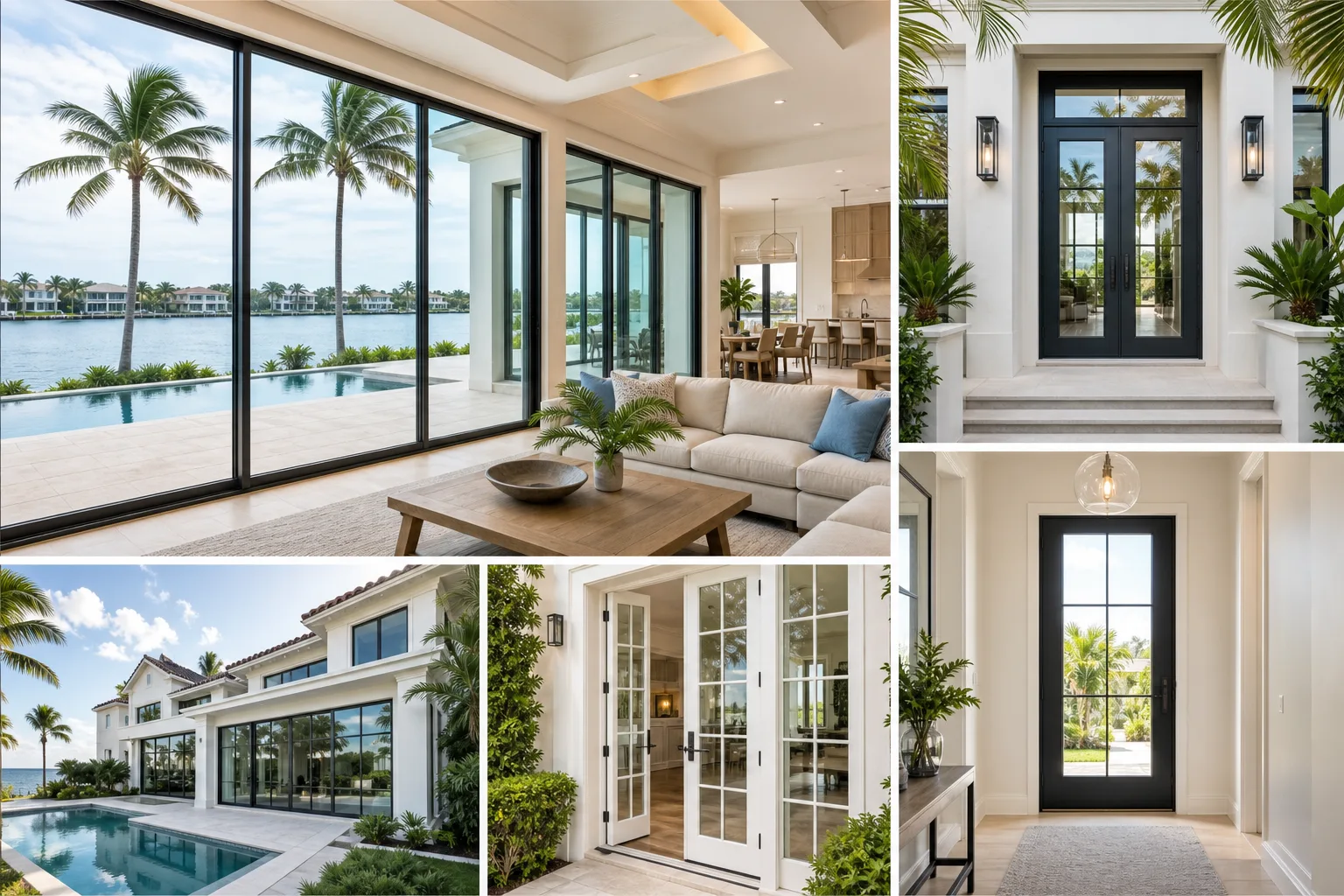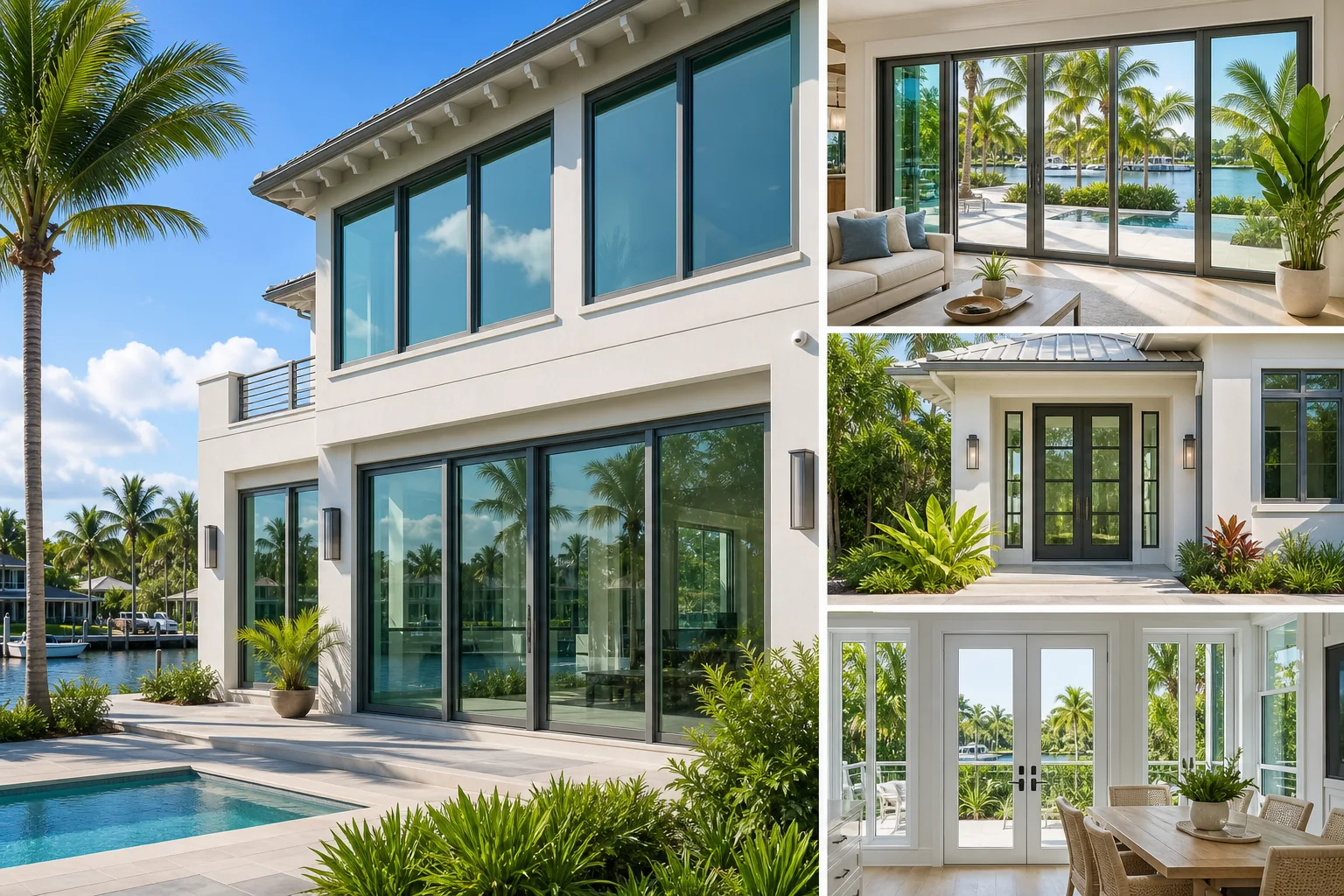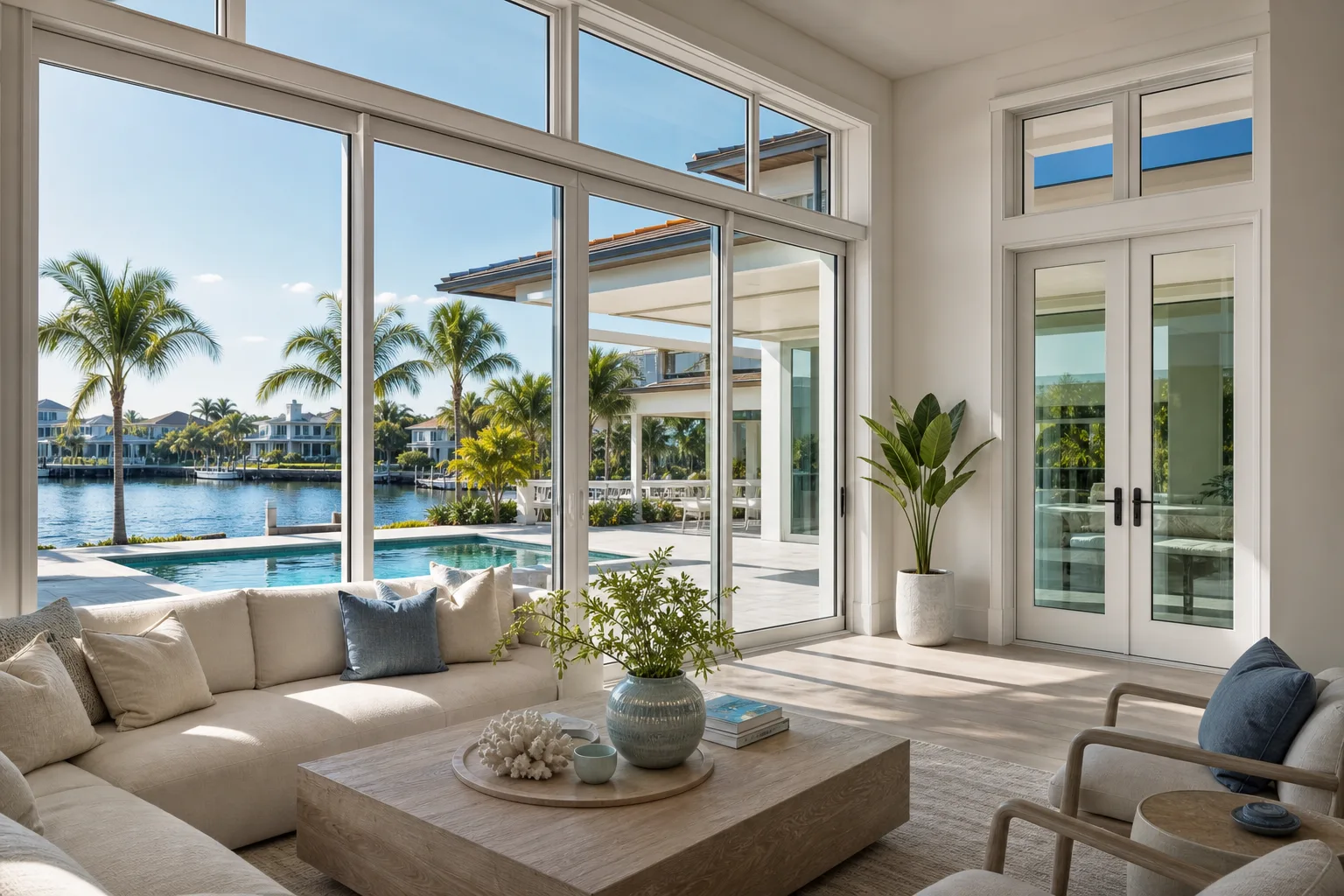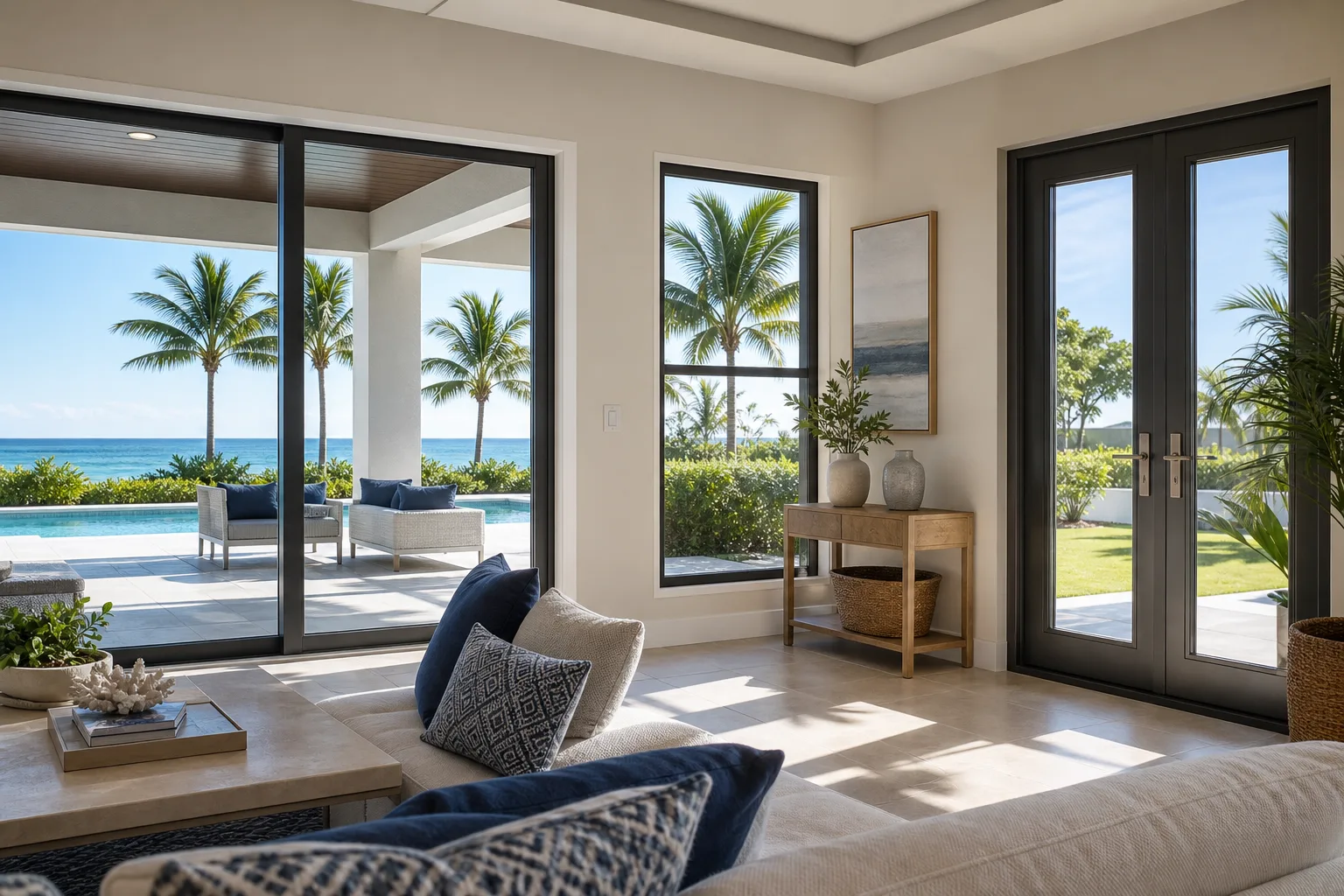
Impact Windows and South Florida School Safety: What Parents and Homeowners Need to Know
Every August, as backpacks get packed and school supply lists get checked off, South Florida parents face a reality that parents in most other states don't have to think about: hurricane season peaks right in the middle of the school year. From Boca Raton to Pembroke Pines, from West Palm Beach to Fort Lauderdale, families send their kids to school knowing that the Atlantic hurricane season runs from June 1 through November 30, overlapping almost entirely with the academic calendar.
This overlap raises urgent questions for parents and homeowners alike. How well are local schools protected from hurricanes? What happens when a major storm strikes during school hours? And what can families do at home to make sure their own properties are as protected as the buildings where their children spend their days?
This guide covers all of it, from how impact windows factor into school construction standards, to what homeowners in Palm Beach and Broward County should know about protecting their families before, during, and after a major storm.
Why School Buildings Matter So Much During Hurricanes
Schools in South Florida serve a dual purpose during hurricane emergencies. On ordinary days, they educate roughly 300,000 students across Palm Beach County and another 270,000 across Broward County. During major storms, many school buildings are designated as emergency shelters for the general public.
The Palm Beach County School District operates the largest school district in Florida by geographic area. Broward County Public Schools ranks as the sixth-largest school district in the entire country. When a Category 3 or stronger hurricane threatens the region, these massive facilities become critical infrastructure - not just for students, but for entire communities.
That dual role is exactly why building standards for public schools in Florida are among the most rigorous in the nation.
Florida's Public Educational Facility Standards
Florida Statutes Chapter 1013 governs the planning, construction, and maintenance of public educational facilities. Under these rules, school buildings must meet stringent structural standards designed to withstand significant wind loads. The Florida Building Code requires that public schools serving as designated shelters meet standards typically exceeding those required for standard commercial or residential construction.
For wind-driven rain and impact protection, the Florida Building Code mandates that schools in high-velocity hurricane zones use glazing systems - windows and doors - that can withstand the wind pressures and impact forces associated with the design wind speed for that location. In most of Palm Beach and Broward County, design wind speeds range from 140 to 175 miles per hour depending on proximity to the coast.
If you want to understand the technical ratings behind these requirements, our guide to impact window ratings including DP, PG, and NOA approvals breaks down exactly what those numbers mean and why they matter.
Older School Buildings: The Weak Link
Here is where the situation becomes more complicated. While new school construction must meet current Florida Building Code standards, many school buildings across Palm Beach and Broward County were built decades ago, well before modern impact glazing requirements existed.
Schools built in the 1960s, 1970s, and 1980s were often constructed with single-pane glass windows in aluminum frames that would provide minimal protection during a major hurricane. Retrofitting those older buildings with impact-resistant glazing is an expensive, slow process that depends heavily on school district capital budgets and state funding allocations.
This is analogous to the challenges homeowners face with older homes from the 1960s through 1980s, where outdated glazing systems leave properties vulnerable until upgrades are completed.
School Shelter Designations: What Parents Should Know
Public Shelters vs. Special Needs Shelters
Both Palm Beach and Broward counties maintain lists of designated public hurricane shelters, and public schools make up the majority of those shelter locations. However, not every school automatically qualifies as an active shelter during every storm. Local emergency management agencies evaluate each facility based on structural integrity, wind rating, and available resources before activating it as a shelter.
Broward County Emergency Management and Palm Beach County Emergency Management both publish updated shelter lists before major storms. Parents should check these lists early in hurricane season rather than waiting until a storm is approaching.
What Makes a School Shelter-Ready
To be designated as a public shelter, a school building typically must:
- Meet or exceed 130 mph wind resistance standards
- Have impact-resistant or protected openings on all exterior windows and doors
- Provide backup generator power for essential systems
- Have adequate restroom facilities and interior safe areas
- Pass periodic structural inspections
Schools that have been retrofitted with modern impact-resistant windows and doors are far more likely to maintain their shelter designations and to actually protect the people inside them when a storm strikes.
The Connection Between School Safety and Your Home
Parents who think carefully about hurricane protection at their children's schools are often the same people who take home protection seriously. And with good reason: a major hurricane that damages local schools also threatens the homes where families live.
The reality is that during a major storm, schools will not be open. Children will be at home. And if your home is not protected with impact-resistant windows and doors, your family faces significant risk regardless of how well-built the local schools are.
Why Impact Windows Are the Gold Standard for Family Homes
Many homeowners in Boca Raton, Delray Beach, Coral Springs, Weston, and other South Florida communities still rely on storm shutters as their primary hurricane protection strategy. Shutters can be effective, but they come with serious practical drawbacks for families with children:
- Deployment time and physical effort: Storm shutters require homeowners to spend hours installing panels or cranking down accordion shutters, often in deteriorating weather. With children to manage, this process becomes significantly more stressful.
- Visibility and light loss: Once shutters are deployed, interiors become dark and claustrophobic, which can be frightening for young children during an already stressful situation.
- Security gaps: Shutters only protect windows when deployed. Impact windows provide continuous protection 365 days a year, including from break-ins that spike in the days following a major storm.
- Debris impact during rapid storms: Fast-moving storms can arrive with less warning than anticipated. Impact windows protect your family even if you did not have time to deploy shutters.
For a detailed cost comparison between these two approaches, see our article on impact windows vs. storm shutters.
Real Storm Performance: What the Data Shows
Impact windows installed to current Florida Building Code standards use laminated glass with a polyvinyl butyral (PVB) interlayer, similar in concept to automotive windshield glass. When struck by debris, the glass may crack but the laminated layer holds the broken pieces together, preventing the dangerous pressure differential that causes catastrophic structural failure.
This matters enormously for family safety. When a window fails in a hurricane, the sudden pressure change inside a home can cause roofs to lift, walls to collapse, and interior spaces to flood with wind-driven rain in a matter of seconds. Children and adults alike face serious injury from flying glass and debris.
For a deeper look at how impact windows actually perform during real South Florida storms, see our comprehensive guide on impact windows during hurricane season.
Palm Beach County and Broward County: Specific Considerations
Palm Beach County School District Capital Programs
Palm Beach County School District has made significant investments in recent years to upgrade aging school facilities. Capital improvement programs funded through local bond referendums and state sources have targeted window and door replacements at older campuses. However, the scale of the challenge means that not every school has been fully upgraded.
Parents in communities like Lake Worth Beach, Riviera Beach, Greenacres, and Royal Palm Beach - where some school buildings date back several decades - should familiarize themselves with the specific shelter ratings of their children's schools by contacting the district's facilities management office.
Broward County School Infrastructure
Broward County Public Schools operates over 230 schools across a district that stretches from Deerfield Beach in the north to Hallandale Beach in the south. The district has also invested in facility upgrades, but like Palm Beach County, the sheer number of school buildings means the process of bringing every campus up to modern impact glazing standards takes time.
Families in Plantation, Davie, Hollywood, Miramar, and Pompano Beach should review their local schools' emergency management plans, which are available through Broward County Emergency Management's public portal.
Coastal School Buildings Face the Highest Risk
Schools located close to the coastline in communities like Boynton Beach, Delray Beach, Lauderdale-by-the-Sea, and Dania Beach face the most intense wind and rain exposure during hurricanes. These buildings are subject to the highest design wind speed requirements under the Florida Building Code's High-Velocity Hurricane Zone (HVHZ) provisions.
If you live near the coast and your children's school is in one of these communities, it is worth asking school administrators directly whether the building's glazing systems have been upgraded to current HVHZ standards.
The same HVHZ standards that apply to coastal schools also apply to homes in those communities. For homeowners dealing with the additional challenge of salt air corrosion alongside hurricane protection, our guide on impact windows and salt air corrosion addresses both concerns together.
Hurricane Preparedness for Families: A Home-Centered Action Plan
While advocating for better school building upgrades is important, the most immediate and controllable action parents and homeowners can take is to protect their own homes.
Step 1: Assess Your Current Window and Door Protection
Walk around your home and honestly evaluate your existing openings. Do you have impact-resistant windows installed? If so, when were they installed and do they carry current NOA (Notice of Acceptance) or Florida Product Approval documentation? Older impact windows installed before 2002 may not meet current standards.
If you are unsure whether your existing windows qualify, our team at Window Guys of Florida can conduct a no-obligation evaluation.
Step 2: Understand the Permit Requirements
Replacing windows with impact-resistant units requires permits in both Palm Beach and Broward County. This is not optional - unpermitted window installations can create serious problems during insurance claims and home sales. Our article on impact window permits in Palm Beach and Broward covers what homeowners need to know before starting any project.
Step 3: Review Your Insurance Coverage
Homes with fully permitted, code-compliant impact windows and doors typically qualify for significant discounts on Florida homeowners insurance premiums. In many cases, the annual insurance savings alone can offset a meaningful portion of the installation cost over time. Understanding how impact windows factor into insurance audits and claims is important before, during, and after any storm.
See our guide on impact windows and Florida home insurance audits for a thorough explanation of how this process works.
Step 4: Create a Family Hurricane Plan
Beyond physical home protection, every family in South Florida should have a written hurricane preparedness plan that covers:
- Evacuation routes from your neighborhood
- Designated meeting points if family members are separated
- Emergency supply kits with at least 7 days of supplies
- Contact information for out-of-state family members who can serve as a communication hub
- Plans for pets and any family members with special medical needs
Local emergency management agencies in both Palm Beach and Broward County provide free preparedness resources that families can use to build and practice their plans well before any storm threatens.
Indoor Air Quality: An Often-Overlooked Benefit for Children
Hurricane protection is the headline benefit of impact windows, but for families with children, there is another benefit worth highlighting: improved indoor air quality.
South Florida's air quality is affected by vehicle exhaust, urban pollution, and increasingly, smoke from wildfires occurring elsewhere in Florida and neighboring states. Impact windows, with their superior sealing compared to standard windows, significantly reduce the infiltration of outdoor pollutants into the home interior.
For families with children who have asthma or respiratory sensitivities, this benefit is substantial. Our articles on impact windows and wildfire smoke air quality and impact windows and South Florida air quality benefits both examine this topic in detail.
The Financial Dimension: Investment and Home Value
For homeowners in Palm Beach and Broward County, impact window installation is also a significant financial decision. The good news is that impact windows consistently add measurable value to South Florida homes, a particularly important consideration given the region's active real estate market.
Homes with fully permitted impact windows and doors typically appraise higher than comparable properties with older glazing systems. Buyers in this market actively seek out homes with impact protection already in place, recognizing both the safety benefit and the insurance savings. For more on this topic, see our guides on impact windows and South Florida real estate appraisals and impact windows and home resale value.
Choosing the Right Impact Window Products for Your Family's Home
Not all impact windows are created equal. At Window Guys of Florida, we are authorized dealers for several of the most trusted brands in the industry, including PGT, CGI, ES Windows, and Andersen. Each brand offers product lines suited to different home styles, budget ranges, and performance requirements.
For homes in the highest-exposure coastal areas of Palm Beach and Broward County, we typically recommend products with the highest available DP (Design Pressure) ratings. For homes in less exposed inland locations, there may be more flexibility in product selection while still meeting Florida Building Code requirements.
Our team can walk you through all available options during a free consultation. We serve communities throughout Palm Beach and Broward County, and our 25 years of experience means we understand the specific exposure conditions in neighborhoods from Jupiter to Hallandale Beach.
What to Ask Your Children's School Administration
Armed with the information in this guide, here are specific questions worth raising with your children's school administrators or district facilities management contacts:
- Has this building been evaluated under current Florida Building Code wind load and impact glazing standards?
- What is the current wind speed rating for this building's glazing systems?
- Is this school a designated public hurricane shelter, and if not, why not?
- Are there planned capital improvements to upgrade windows or doors at this campus?
- What is the school's evacuation and early dismissal protocol when a hurricane threatens during school hours?
Parents who ask these questions send a clear message to school administrators that the community takes facility safety seriously.
Conclusion: Protecting What Matters Most
Hurricane preparedness in South Florida is not a once-a-year checkbox exercise. It is a year-round mindset, and for parents, it encompasses both the schools where their children spend their days and the homes where families shelter during storms.
School districts in Palm Beach and Broward County are making progress upgrading older facilities, but the work is ongoing and not yet complete at every campus. In the meantime, the single most impactful step families can take is to ensure their own homes are fully protected with properly installed, code-compliant impact windows and doors.
Window Guys of Florida has been helping South Florida families protect their homes for over 25 years. We are licensed, insured, and authorized dealers for the leading impact window brands. Whether you are in Boca Raton, West Palm Beach, Fort Lauderdale, or anywhere in between, we are here to help you make the right decision for your family's safety and your home's long-term value.
Contact us today for a free, no-obligation consultation and take the first step toward protecting what matters most.
Frequently Asked Questions
Are public schools in Palm Beach and Broward County required to have impact windows?
New public school construction in Palm Beach and Broward County must meet current Florida Building Code requirements, which mandate impact-resistant glazing systems capable of withstanding the design wind speeds for each location. However, older school buildings constructed before modern impact glazing requirements existed may still have original non-impact glass unless they have been specifically retrofitted. Both school districts have active capital improvement programs working toward upgrading older facilities, but the process takes time given the number of campuses involved. Parents can contact their district's facilities management office to ask about specific campuses. For a deeper understanding of what the technical ratings on impact glazing mean, see our guide to impact window DP ratings, NOA approvals, and performance grades.
How do I know if my home's current windows provide adequate hurricane protection for my family?
The best way to determine whether your existing windows meet current hurricane protection standards is to have a professional evaluation conducted by a licensed impact window contractor. Key indicators include whether your windows carry current Florida Product Approval numbers or Miami-Dade Notice of Acceptance (NOA) documentation, when they were installed, and whether they were installed under a valid permit. Older windows installed before 2002 may not meet current Florida Building Code requirements even if they were marketed as impact-resistant at the time of installation. Contact Window Guys of Florida for a free, no-obligation evaluation of your home's current window protection.
Can installing impact windows reduce my homeowners insurance premium in South Florida?
Yes, in most cases, installing properly permitted and code-compliant impact windows and doors results in meaningful discounts on Florida homeowners insurance premiums. Insurance companies recognize impact windows as a significant risk reduction measure and typically reduce the wind mitigation portion of your premium accordingly. The specific discount varies by insurer and the specific products installed. After installation, you will need to have a certified wind mitigation inspection conducted so your insurer can formally document the upgrade. Our article on impact windows and Florida home insurance audits explains this process in detail.
What is the difference between impact windows and storm shutters for protecting my family during a hurricane?
Both impact windows and storm shutters can provide hurricane protection, but they differ significantly in convenience, ongoing protection, and practicality for families. Storm shutters must be deployed before each storm, requiring physical labor and time - a significant challenge when you also need to manage children, pets, and evacuation logistics. Once deployed, they block all natural light, creating dark and stressful interior conditions. Impact windows, by contrast, provide continuous protection every day of the year with no action required from the homeowner. They also allow natural light inside during a storm and provide year-round security against break-ins. For a detailed comparison of costs and benefits, see our article on impact windows vs. storm shutters.
My child's school is designated as a hurricane shelter. Does that mean it has impact windows?
Not necessarily. While shelter-designated schools must meet minimum structural standards to qualify for that designation, the specific glazing requirements have evolved over time and older facilities may rely on other protective measures rather than impact glass specifically. Some older shelter buildings use plywood or panel shutter systems to protect windows during storms. Modern shelter designations increasingly favor buildings with permanently installed impact-resistant glazing because it provides more reliable protection without requiring pre-storm deployment. Parents who want to know the specific protective measures at their children's school should contact the school's principal or the district's facilities management department directly.
How long does it typically take to install impact windows in a South Florida home, and do I need to be out of the house during installation?
For a typical single-family home in Palm Beach or Broward County, impact window installation usually takes between one and three days depending on the number of windows, the complexity of the openings, and whether any structural modifications are needed. In most cases, homeowners do not need to vacate their homes during installation, though there will be some noise and dust, and individual rooms may be temporarily inaccessible while windows in those rooms are being replaced. A professional installation team works systematically through the home to minimize disruption. To get a specific estimate for your home and a timeline that fits your family's schedule, contact Window Guys of Florida for a free consultation. We serve all communities throughout Palm Beach and Broward County.