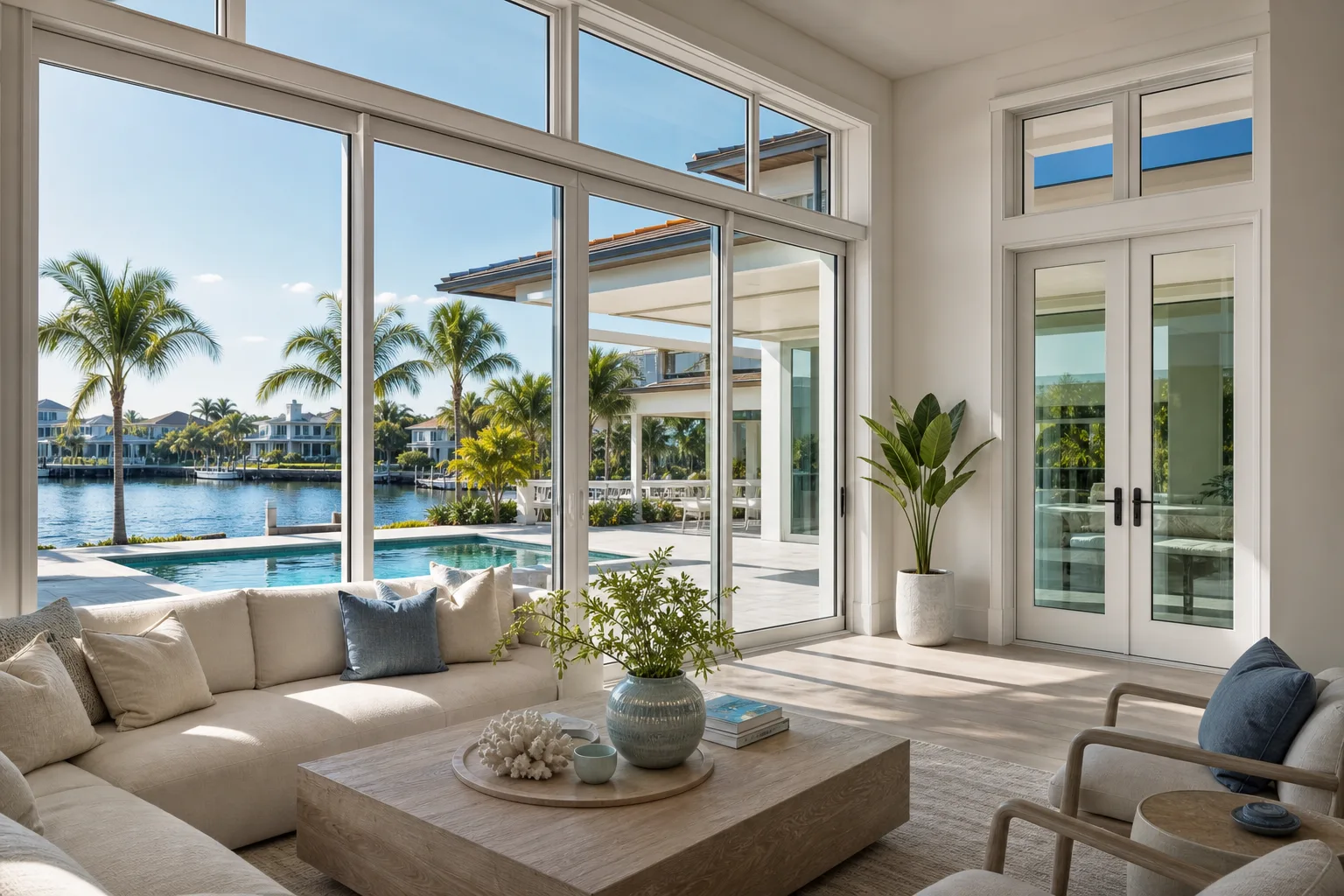
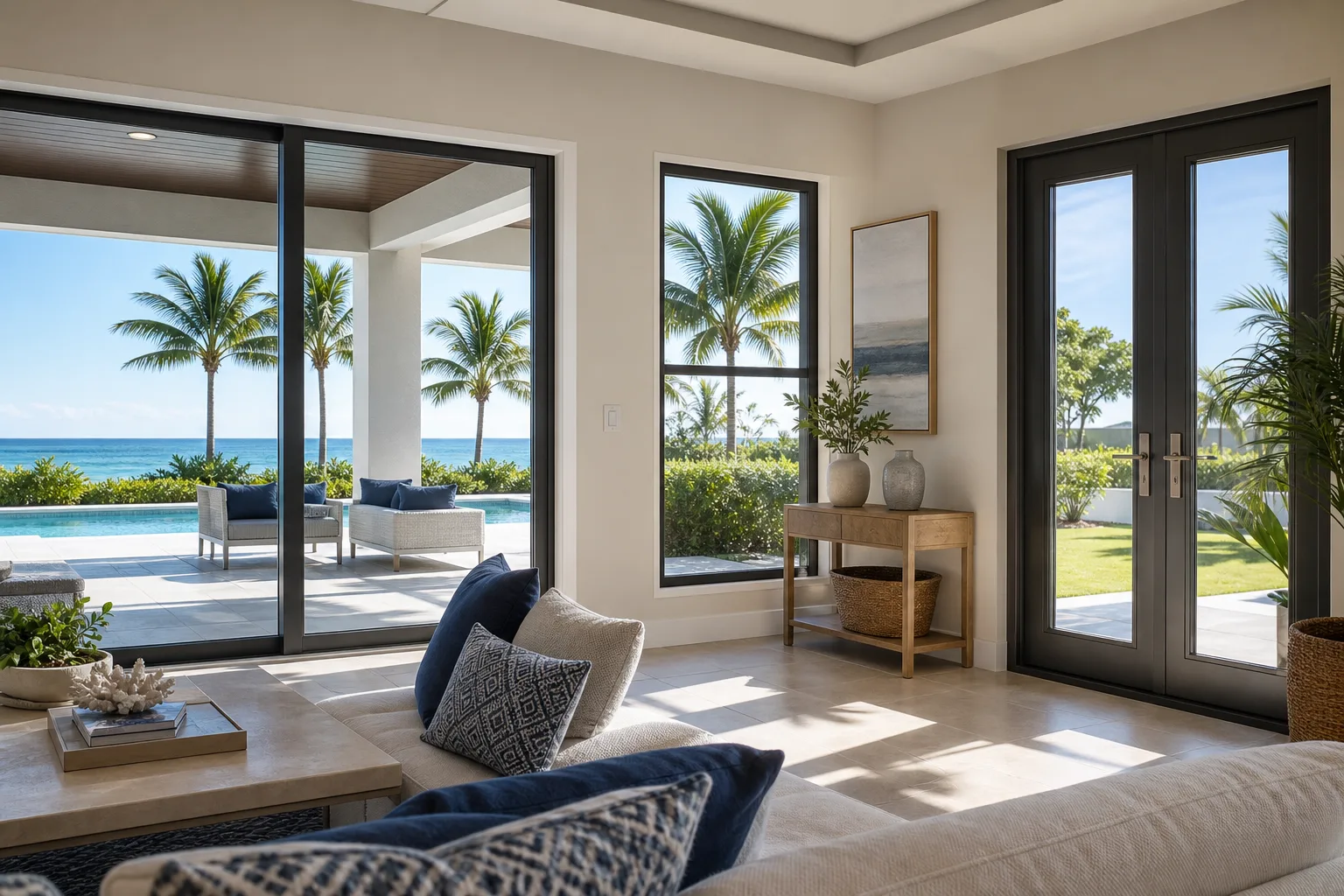
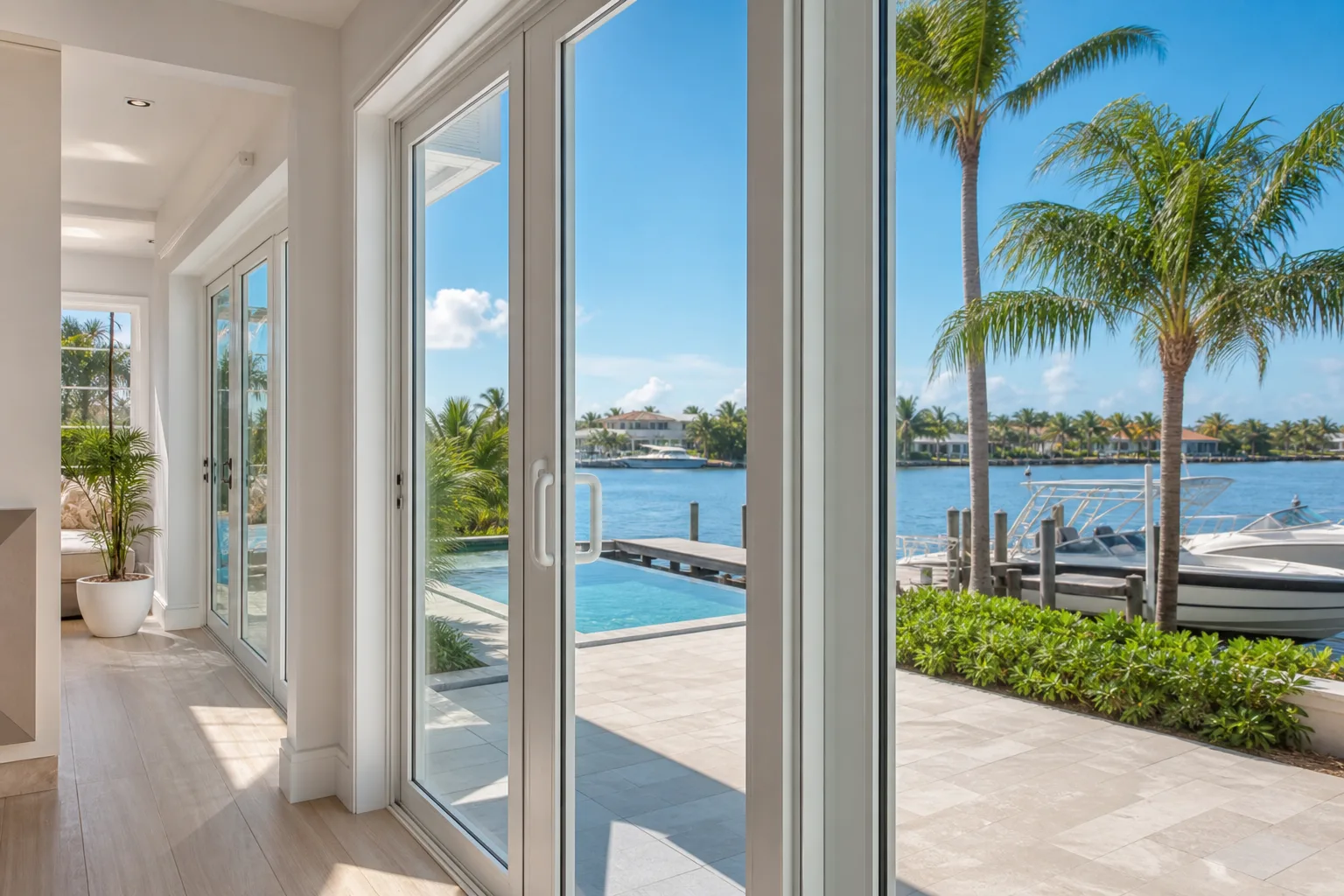
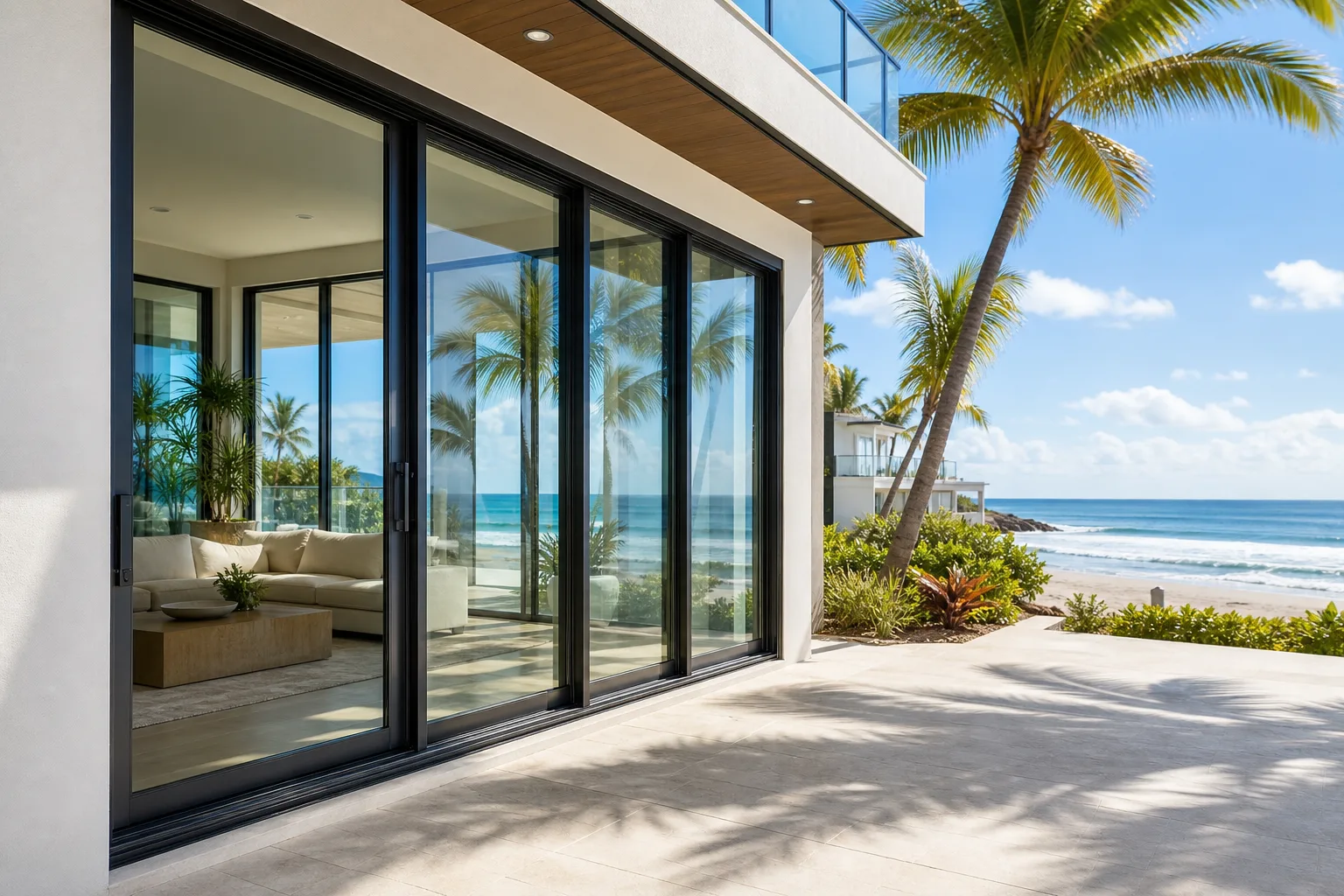
Replacing windows in a condo or HOA community in South Florida is rarely delayed because the windows are not strong enough. Most delays happen because the new windows do not match the building’s existing elevation closely enough, or the submittal package is missing one board-required detail.
If you live in Boca Raton, Delray Beach, Boynton Beach, West Palm Beach, Palm Beach Gardens, Jupiter, Fort Lauderdale, Pompano Beach, Hollywood, or Pembroke Pines, you have probably seen it happen: an owner orders impact windows, the association flags the color or sightlines, and the project sits for weeks (or months) waiting for revisions.
This article breaks down how to get impact windows HOA approval in Palm Beach County and condo impact windows Broward County approvals faster by matching the existing look, preparing the right documents, and choosing the right product category (including when a condo really needs storefront-style framing).
Window Guys of Florida is licensed and insured, with 25+ years of experience, and we install impact windows and doors throughout Palm Beach County and Broward County. We are authorized dealers for PGT, CGI, ES Windows, Andersen, and other top brands.
Why HOA and Condo Boards Delay Impact Window Projects
Most associations are not trying to be difficult. Their job is to protect property value and maintain a consistent exterior appearance. The fastest approvals happen when owners submit a package that answers three board concerns clearly:
- Does it match the building’s elevation? (frame color, grid pattern, sightlines, mullions, glass tone)
- Does it meet code and the building’s wind pressures? (NOA, DP ratings, engineer letters when needed)
- Will the install look clean and be waterproof? (install method, trim details, sealants, scope)
Many owners focus only on hurricane impact rating and overlook “visual match” items that boards care about most.
For a broader approval playbook and the typical board process, read: HOA and Condo Board Approval for Impact Windows and the companion checklist: HOA and Condo Approval Checklist for Impact Windows.
HOA vs Condo Approvals: What’s Different in Palm Beach vs Broward
Both counties follow the Florida Building Code, but associations add their own layers. In practice:
- Palm Beach County communities (especially coastal, luxury, and historic-adjacent areas like Palm Beach, Manalapan, Highland Beach, and Jupiter Island) tend to be stricter on exterior uniformity and finish matching.
- Broward County high-rises and condo corridors (Fort Lauderdale, Galt Ocean Mile, Hollywood, Hallandale Beach, Sunrise, and Plantation) often focus heavily on engineering, product approvals, and high-rise pressure requirements.
If your condo is in a Wind-Borne Debris region and exposure is high, boards frequently require more documentation than a typical single-family HOA.
Helpful context on county and zone differences:
- HOA Approval for Impact Windows: PBC vs Broward
- Palm Beach vs Broward WBD Zones: Impact Window Guide
The Core Issue: Matching Existing Elevations Without Guessing
“Match existing” sounds simple until you realize it can mean any of the following:
- Frame depth and setback from the exterior wall
- Sightlines (how thick the frame looks from the outside)
- Mullion width and alignment between stacked units
- Glass tint and reflectivity across the elevation
- Color and sheen (anodized vs painted, matte vs glossy)
- Grid patterns (if your building has them)
A board denial often happens when the proposed window technically matches the color name, but does not match the profile or the light lines of the existing building.
Matching window sightlines and mullions in a condo
One of the most common appearance issues is matching window sightlines mullions condo layouts.
What boards mean by “sightlines”
Sightlines are the visible widths of the frame, sash, mullions, and meeting rails when viewed from the exterior. Even a 1/2-inch difference can stand out when your unit sits next to original windows.
What to measure before ordering
To avoid mismatches, you (or your contractor) should document:
- Frame face width (outside visible)
- Meeting rail thickness (if sliders or single-hungs)
- Mullion width at joined units
- Distance between glass panes and exterior plane (depth)
If the building elevation has long horizontal bands, stacked columns of windows, or repeated bays, alignment is critical.
How to solve mismatched mullions
Common solutions include:
- Selecting a window line with a closer frame profile
- Using manufacturer-approved mullion kits that match existing proportions
- Adjusting configuration (for example, two wider casements vs three narrow units) if the HOA allows
For install details that can also ruin the exterior look, review: Common Impact Window Install Mistakes in South FL.
Storefront vs Residential Impact Windows in Condos
A major approval and design decision is storefront vs residential impact windows condo.
What is “storefront” in condo terms?
In many high-rises and mid-rises, the existing windows are part of an aluminum framing system that looks like commercial glass. These systems often use:
- Thicker, more squared-off aluminum members
- Larger glass spans
- Continuous vertical and horizontal mullions across multiple units
Even when individual condo units can legally replace “their” windows, the exterior look might be dependent on a storefront-like system.
When storefront-style is usually required
You are more likely to need storefront-style framing when:
- The building is 6+ stories or highly exposed
- The existing exterior shows continuous mullion lines across units
- The association’s architect explicitly calls out a storefront profile
- The opening sizes are very large or irregular
When residential impact windows can still work
Residential impact windows are often acceptable when:
- The building already has residential-style frames
- The windows are isolated per unit (no continuous mullion bands)
- The association has an approved window schedule with listed models
Why this affects approvals
Boards deny projects when an owner proposes residential windows in a building that reads “commercial” from the street. The structural rating might be fine, but the elevation no longer matches.
If you are unsure which product category your building needs, it helps to start with pressures and approvals first. This guide is a good foundation: DP Ratings Explained for Impact Windows in South FL.
Color and Finish: White Bronze vs Anodized Aluminum Impact Windows
Another frequent approval snag is finish mismatch, especially with older condos.
Why “bronze” is not always bronze
Associations often write “bronze windows only” or “match existing bronze.” But that can mean:
- Painted bronze
- Dark bronze anodized
- Champagne anodized
- “White bronze” anodized (a lighter metallic tone)
This is where white bronze vs anodized aluminum impact windows decisions matter. “White bronze” is commonly used in older South Florida buildings and can look distinctly different from darker bronze.
Painted vs anodized: what boards care about
- Anodized finishes have a metallic look and can appear lighter or more reflective depending on sun angle.
- Painted finishes are more uniform and can be matte, satin, or gloss.
If your building has anodized frames, a painted “matching” color can still look wrong in full sun, especially on east-facing and west-facing elevations.
For sun exposure and glass heat strategies that also affect how the exterior reads, see: Impact Windows for West-Facing Homes in South FL.
Best practice: submit physical samples when possible
Many boards approve faster when you provide:
- A manufacturer color chip
- A photo of the existing frame in shade and in sun
- The proposed finish name and manufacturer code
Glass Appearance: Tint, Reflectivity, and Uniformity Across the Building
Even if frames match, glass can trigger a rejection.
Common glass appearance issues
- New low-E coatings can look more reflective than older glass
- Tint can look greener, grayer, or bluer
- Laminated interlayers can change perceived color
What to specify in your submittal
At minimum, include glass specs such as:
- Laminated glass type (SGP vs PVB when relevant)
- Low-E presence and type
- Tint name (clear, gray, bronze, etc.)
If your association requires a specific appearance, request a glass sample or manufacturer documentation.
Deep dive on glass options for South Florida heat: Impact Window Glass Options for South Florida Heat.
The Submittal Package That Prevents Most Delays
A complete impact windows submittal package South Florida boards can approve quickly typically includes three parts: appearance, code compliance, and install method.
Appearance documents (what boards actually look at first)
- Exterior elevation photos of your unit (wide shots)
- Close-ups of existing frame and glass
- Proposed window schedule (room-by-room)
- Renderings or manufacturer cut sheets showing profile and sightlines
- Finish and color selections (codes and sheen)
Code and compliance documents
- Florida Product Approval or Miami-Dade NOA for each product
- DP / design pressure rating documentation
- Engineer letter if required for high-rise, unusual openings, or association policy
- Permit plan notes when required
If you want to understand what inspectors and plan reviewers look for, read: Reading PBC & Broward Impact Window Permit Plans.
Installation method documents
- Install detail (retrofit vs full-frame)
- Anchorage schedule and fastener type (as applicable)
- Waterproofing approach (sealant type, backer rod, flashing when required)
Water intrusion is a big liability concern in condos, especially in wind-driven rain events. Learn more about preventing leaks here: Stop Rain Bomb Leaks Around Impact Windows in FL.
Retrofit vs Full-Frame: A Common Condo Association Requirement
Associations often specify how replacements must be done to preserve exterior lines.
- Retrofit (insert) installs may keep the existing exterior frame, preserving the elevation, but slightly reduce glass area.
- Full-frame replacements can restore or improve openings but may change exterior trim lines and require more finish work.
Your condo may mandate one method to keep uniformity across units.
For a detailed comparison and where each method works best in South Florida wall types, see: Retrofit vs Full-Frame Impact Windows in PBC & Broward and Retrofit vs Full Frame Impact Windows in South Florida.
Practical Strategies to Get Approved Faster (Without Reordering Windows)
1) Start by finding your building’s “approved baseline”
Ask management for:
- The latest approved window schedule (brand, series, finish, glass)
- Any architectural standards document
- Prior approved application package (redacted is fine)
If your building already approved a specific PGT, CGI, ES Windows, or Andersen configuration, aligning to it reduces risk.
2) Document the existing elevation from the street
Take photos:
- Straight-on from outside (if accessible)
- Angled photos to capture depth and reflectivity
- Neighboring units to show continuity requirements
3) Avoid “close enough” language
Boards dislike vague notes like “bronze frame” or “match existing.” Instead, submit:
- Manufacturer finish name and code
- Profile cut sheet
- Glass spec sheet
4) Make sure pressures match the building, not just your unit
In taller buildings, pressures often vary by:
- Corner vs center units
- Higher floors vs lower floors
- Large openings and door walls
If your product is under-rated for a corner exposure, the board may deny it, even if it would pass in a typical single-family home.
5) Address corrosion and coastal durability upfront
Boards in coastal areas like Singer Island, Palm Beach Shores, Lauderdale-by-the-Sea, and Hallandale Beach often care about hardware and finish longevity due to salt exposure.
Useful reading:
- Coastal Corrosion: Impact Windows for PBC & Broward
- Salt-Air Microclimates: Impact Windows PBC vs Broward
- Palm Beach vs Broward: Choosing Impact Windows
6) Plan for lead times and board meeting schedules
Even a perfect package can get delayed if:
- The board only reviews requests monthly
- An architectural committee wants a site visit
- The condo requires contractor onboarding (insurance certificates, license verification)
Build this into your timeline so your permit and product order do not expire.
Data That Helps Explain Why Boards Are Strict
South Florida is not guessing about storm risk. The region is built around wind and debris realities.
- The National Hurricane Center’s historical tracking shows Florida is among the most hurricane-prone states in the U.S., and South Florida repeatedly faces hurricane watches and tropical storm impacts.
- Florida Building Code wind-borne debris requirements exist because window and door failures can allow wind and rain intrusion, leading to rapid interior damage.
Impact products are engineered and tested for debris and cycling, but condo associations also know that a poor install can still fail in wind-driven rain.
For a homeowner-friendly breakdown of impact testing, read: Impact Windows vs Debris: Large-Missile Test Explained.
Special Condo Scenarios That Commonly Trigger Rejections
Florida rooms, enclosed patios, and lanai conversions
If your condo has an enclosed balcony or Florida room, associations may require specific drainage and waterproofing details.
See: Impact Windows for Florida Rooms: What Fails First?.
Patio openings: sliders, pocketing doors, and large spans
Large door walls often drive both sightline and pressure issues.
Related guide: Pocket Sliding Doors vs Impact Windows for Patios.
Second-story and upper-floor replacements
Some owners assume upper floors do not need impact products. In condos, the building’s exposure and code requirements typically make that a risky assumption.
See: Do You Need Impact Windows Upstairs in South Florida?.
Historic or architecturally sensitive areas
Certain Palm Beach County neighborhoods and historic-style communities care deeply about maintaining the original look.
See: Impact Windows for Historic Homes in Palm Beach County and Impact Windows for Historic Palm Beach Homes.
What Window Guys of Florida Does Differently for HOA and Condo Projects
Because HOA and condo work is approval-driven, we focus on preventing reorders and resubmittals.
- Pre-approval matching: we compare frame profile, finish, and sightlines to the existing elevation.
- Complete submittal support: we help assemble cut sheets, NOAs, DP data, and install notes.
- Association-friendly scheduling: we coordinate around building access rules, elevator reservations, and work-hour restrictions.
- Licensed and insured: documentation is ready for management and board packets.
Learn more about our company here: About Us and where we work: Service Areas.
Next Steps: Free Consultation and Submittal Review
If you want to avoid the most common HOA and condo delays, the best time to solve matching and documentation issues is before you place the order.
Request a free consultation and submittal review for your Palm Beach County or Broward County condo or HOA project:
- Impact windows: Hurricane Impact Windows
- Impact doors and sliders: Hurricane Impact Doors
- Scheduling and quotes: Contact Us
FAQ: Impact Windows for HOA and Condo Approvals
What is the fastest way to get impact windows HOA approval in Palm Beach County?
Submit a complete package that shows exterior match (photos, finish codes, profile cut sheets) plus code compliance (NOA/product approval, DP ratings) and an install method. Many delays happen from missing finish details or unclear “match existing” language. For a step-by-step process, use HOA and Condo Approval Checklist for Impact Windows.
Why do condo impact windows in Broward County often require higher DP ratings?
Broward has many mid-rise and high-rise buildings where wind pressures increase with height, corner exposure, and large openings. Condo boards often require confirmation that the selected product meets the building’s calculated pressures. Start here: DP Ratings Explained for Impact Windows in South FL.
What are common impact window replacement condo association requirements besides impact rating?
Most associations require matching frame color and profile, consistent glass appearance, approved install methods (retrofit vs full-frame), contractor licensing and insurance, and sometimes engineer sign-off. A poor installation can still lead to leaks, so waterproofing details matter too. Related reading: Common Impact Window Install Mistakes in South FL.
How do I know if my building needs storefront vs residential impact windows?
If your building’s exterior shows continuous mullion lines, commercial-looking aluminum members, or it is a taller and more exposed structure, the association may require storefront-style framing for visual and structural consistency. We can review your elevation and current system during a consult. To start, request help here: Contact Us.
Will “white bronze” match my condo’s existing anodized aluminum windows?
Sometimes, but not always. “White bronze” is a specific anodized tone that can look lighter and more metallic than darker bronze anodized or painted bronze. Boards often want a true finish match, not just a similar color name. The safest approach is to submit manufacturer finish codes and, when possible, physical samples.
Can Window Guys of Florida help with the HOA or condo submittal package?
Yes. We routinely help owners and property managers assemble an impact windows submittal package South Florida boards can approve, including product approvals, DP data, finish selections, and install details. Schedule a free consultation here: Contact Us.
Frequently Asked Questions
What is the fastest way to get impact windows HOA approval in Palm Beach County?
Submit a complete packet that covers appearance match (photos, finish codes, profile cut sheets) plus compliance (NOA/product approvals, DP ratings) and install method. Use this checklist to avoid missing items: HOA and Condo Approval Checklist for Impact Windows. If you want us to review your package before you submit, request a free consult here: Contact Us.
Why do condo impact windows in Broward County often need higher DP ratings?
Many Broward condos are mid-rise or high-rise, where wind pressures increase with height, corner exposure, and large openings. Boards often require proof that the selected model meets the building’s calculated pressures. Learn how DP ratings work here: DP Ratings Explained for Impact Windows in South FL.
What are the most common impact window replacement condo association requirements?
Beyond hurricane impact rating, most associations require matching exterior elevation (frame profile, sightlines, mullions, finish), consistent glass appearance, an approved install method (retrofit vs full-frame), and contractor licensing and insurance documentation. Install quality matters for leak prevention, see: Common Impact Window Install Mistakes in South FL.
How do I know if my building needs storefront vs residential impact windows?
If your building has continuous mullion bands, commercial-looking aluminum framing, or larger spans typical of mid-rise and high-rise construction, the association may require storefront-style systems to preserve the exterior elevation. We can evaluate your existing system and propose matching options, schedule here: Contact Us.
Will white bronze match my condo’s existing anodized aluminum windows?
Not always. White bronze is a specific anodized tone that can look lighter and more metallic than darker bronze anodized or painted bronze. The best way to avoid rejection is to submit manufacturer finish codes, photos in shade and sun, and sample chips when possible.
Can you help assemble an impact windows submittal package in South Florida?
Yes. We help owners, boards, and property managers compile product approvals, DP documentation, finish selections, elevation notes, and install details to reduce resubmittals and change orders. Start with a free consultation here: Contact Us.