What You'll Learn
Foundation Knowledge
- • What are impact windows and how they work
- • Florida building codes and requirements
- • Different types and materials available
- • Energy efficiency and noise reduction benefits
Buying Process
- • How to choose the right contractor
- • Pricing factors and cost breakdown
- • Financing options and insurance savings
- • Installation timeline and what to expect
What Are Hurricane Impact Windows?
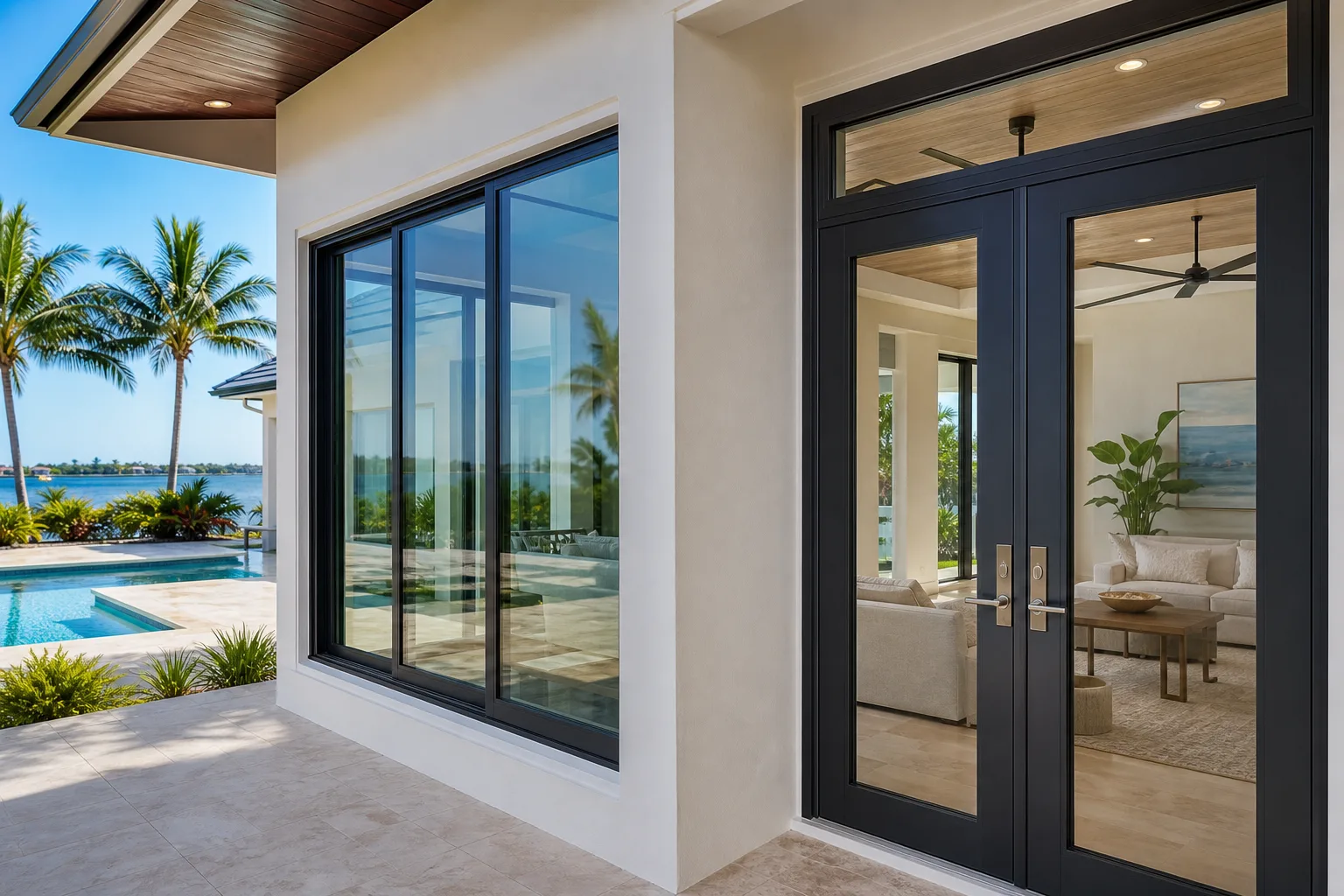
Hurricane impact windows are specially designed windows that can withstand high winds, flying debris, and extreme weather conditions common during Florida's hurricane season. Unlike regular windows, impact windows feature laminated glass and reinforced frames that meet strict Miami-Dade County building codes.
Key Components
Laminated Glass
Two pieces of glass bonded with a polymer interlayer that holds the glass together even when shattered.
Reinforced Frames
Heavy-duty aluminum or vinyl frames designed to handle extreme pressure and impact.
Impact-Resistant Hardware
Specialized hinges, locks, and anchoring systems that exceed standard requirements.
Pressure Testing
All components tested to withstand specific wind loads and debris impact.
Florida Building Code Requirements
Florida has some of the strictest building codes in the nation for hurricane protection. Understanding these requirements helps ensure you choose compliant products and qualified installers.
High Velocity Hurricane Zones (HVHZ)
Miami-Dade and Broward counties require the most stringent standards:
- Must pass large missile impact test
- Cyclic pressure testing required
- Miami-Dade NOA approval needed
Wind-Borne Debris Regions
Rest of Florida follows state requirements:
- Small missile impact resistance
- Design pressure requirements
- Florida Product Approval required
Impact Window Pricing Guide
Average Investment Ranges
Factors Affecting Price
Window Specifications
- • Size and shape of openings
- • Glass thickness and performance ratings
- • Frame material (aluminum vs. vinyl)
- • Hardware and locking mechanisms
- • Energy efficiency features
Installation Factors
- • Structural modifications needed
- • Accessibility and building height
- • Permit and inspection costs
- • Timeline and scheduling requirements
- • Cleanup and disposal services
Benefits Beyond Hurricane Protection
Financial Benefits
- Insurance Savings30-45% reduction in premiums
- Energy Savings20-30% lower cooling costs
- Property Value8-15% increase in home value
Lifestyle Benefits
- Noise ReductionUp to 40% quieter interior
- UV Protection99% UV ray blocking
- Security EnhancementBreak-in deterrent
Choosing the Right Contractor
Warning Signs to Avoid
- • Door-to-door sales after storms
- • Requests for full payment upfront
- • No physical business address
- • Pressure tactics or "today only" pricing
- • No proper licensing or insurance
What to Look For
Credentials & Experience
- • Florida licensed general contractor
- • Manufacturer certifications
- • Local business with track record
- • A+ Better Business Bureau rating
- • Proper insurance and bonding
Service & Support
- • Detailed written estimates
- • Comprehensive warranties
- • Project management capabilities
- • Post-installation support
- • Emergency storm response